

CURRENTLY SHOWING
SOUTHERN
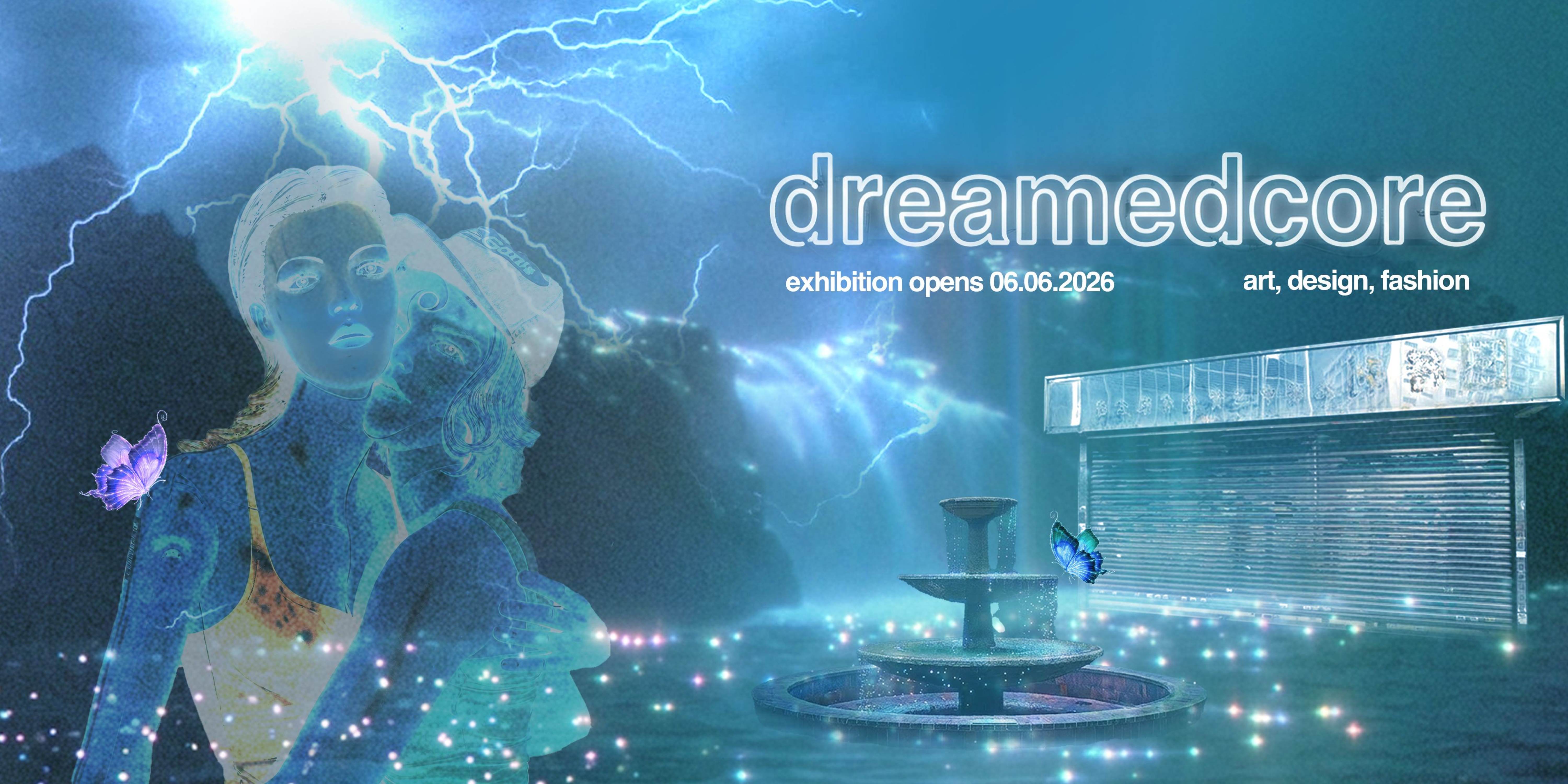
dreamedcore
6 Jun – 1 Aug, 2026
GOLD by Serakai Studio
CENTRAL
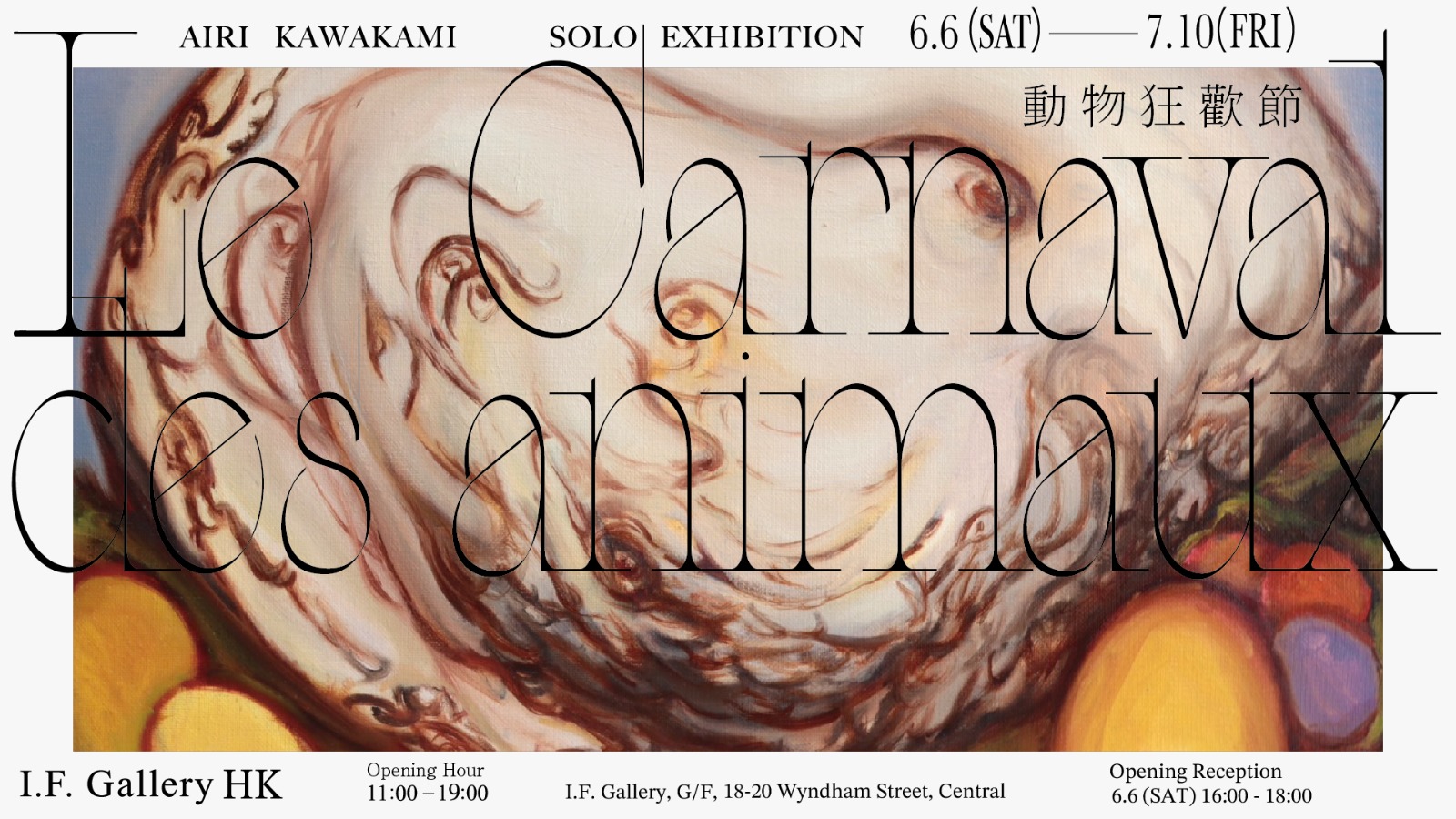
Le Carnaval des animaux - The Carnival of the Animals
6 Jun – 10 Jul, 2026
I.F. Gallery
SOUTHERN
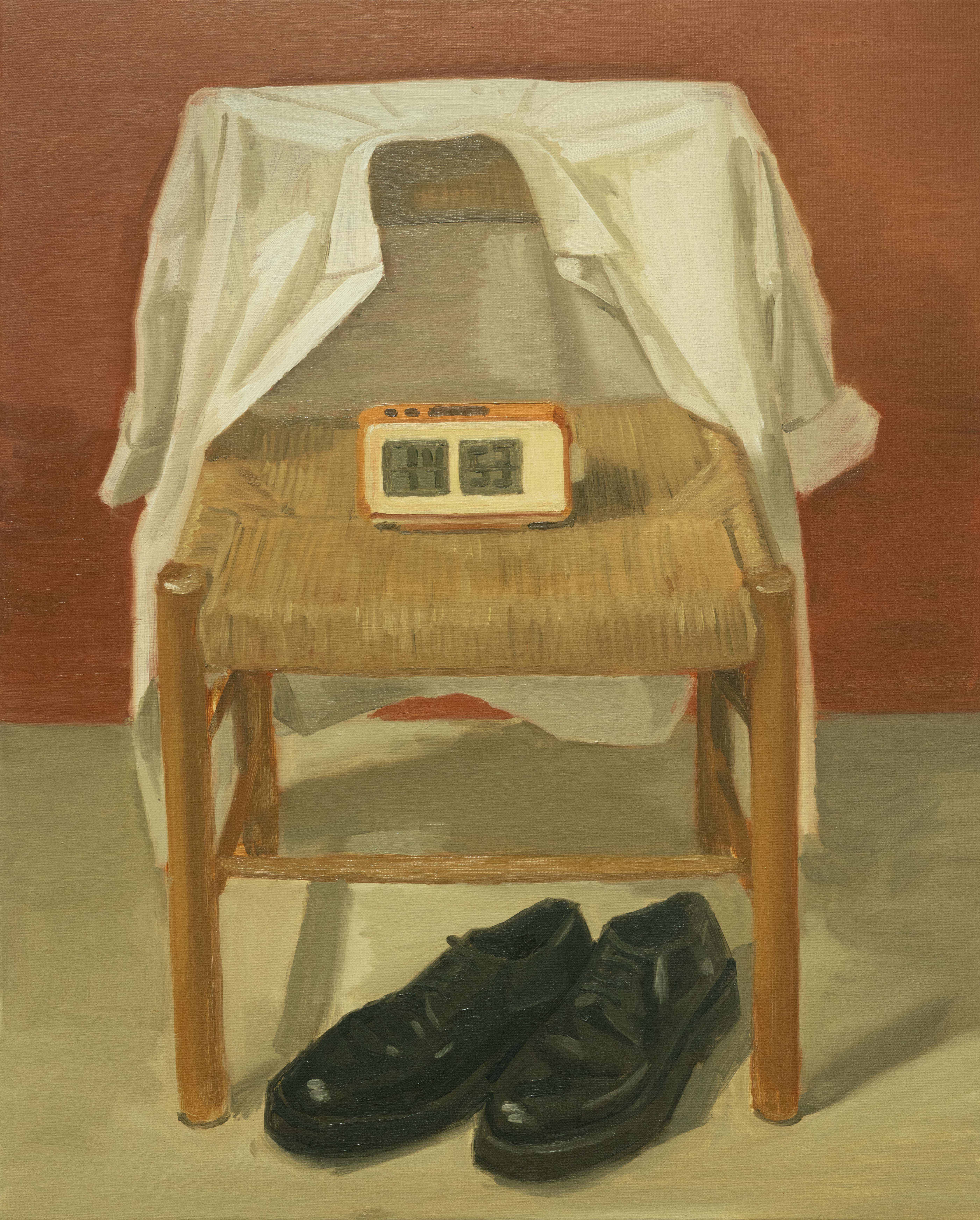
BETWEEN
6 Jun – 29 Aug, 2026
WKM Gallery
CENTRAL
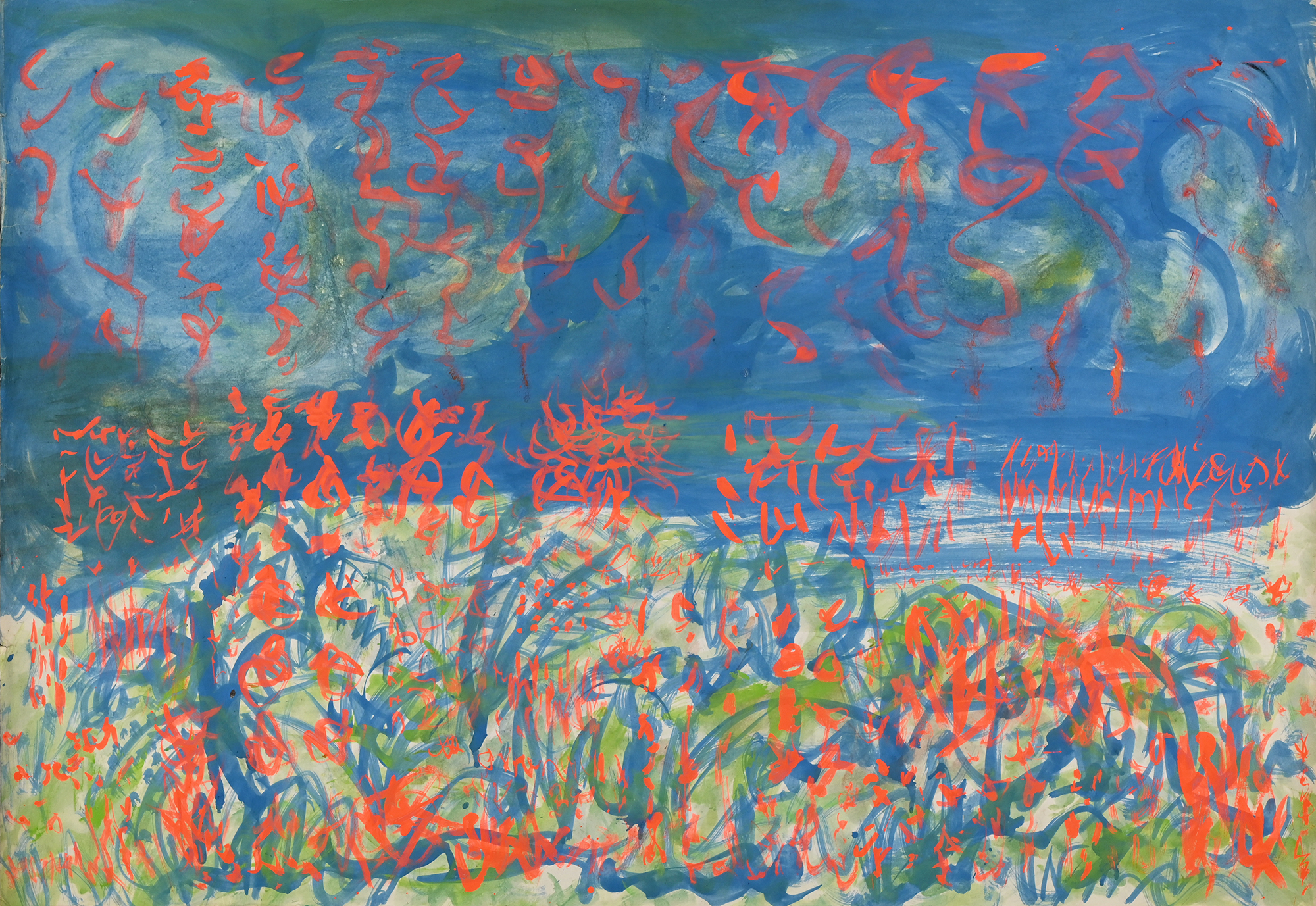
Tang Chang: Into the Heart-Mind
4 Jun – 29 Aug, 2026
gdm (Galerie du Monde)
CENTRAL
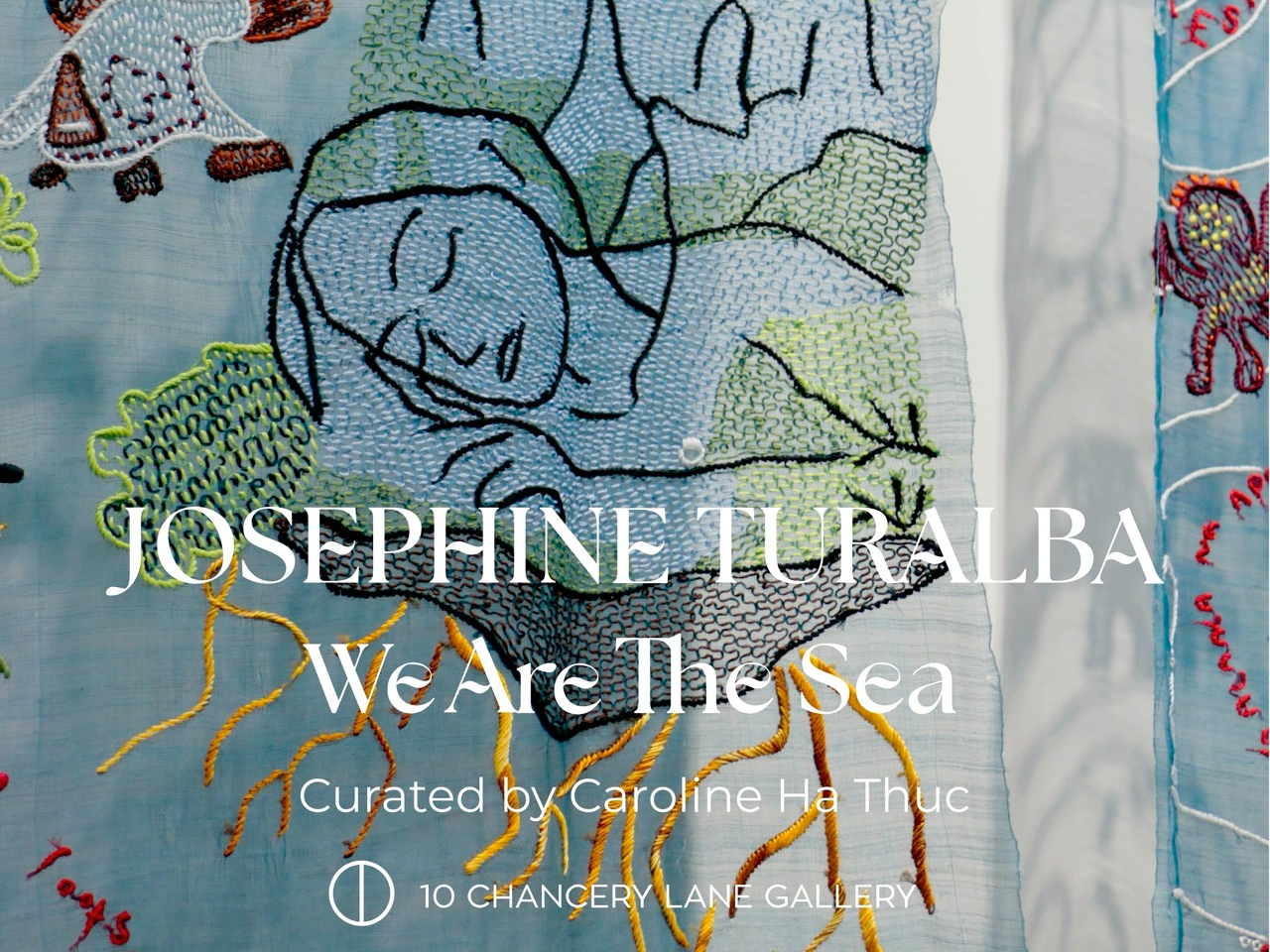
Josephine Turalba: We Are The Sea
3 Jun – 1 Aug, 2026
10 Chancery Lane Gallery
KWUN TONG
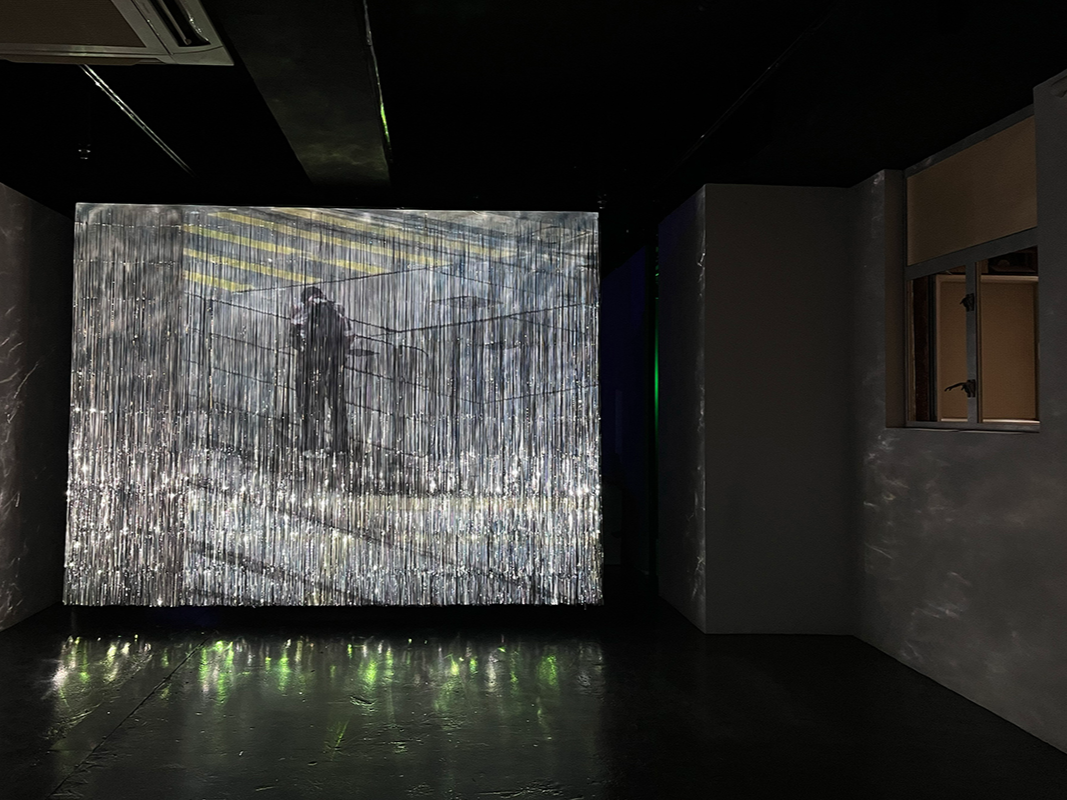
反正都這樣 All in my backyard
31 May – 21 Jun, 2026
WURE AREA
CENTRAL
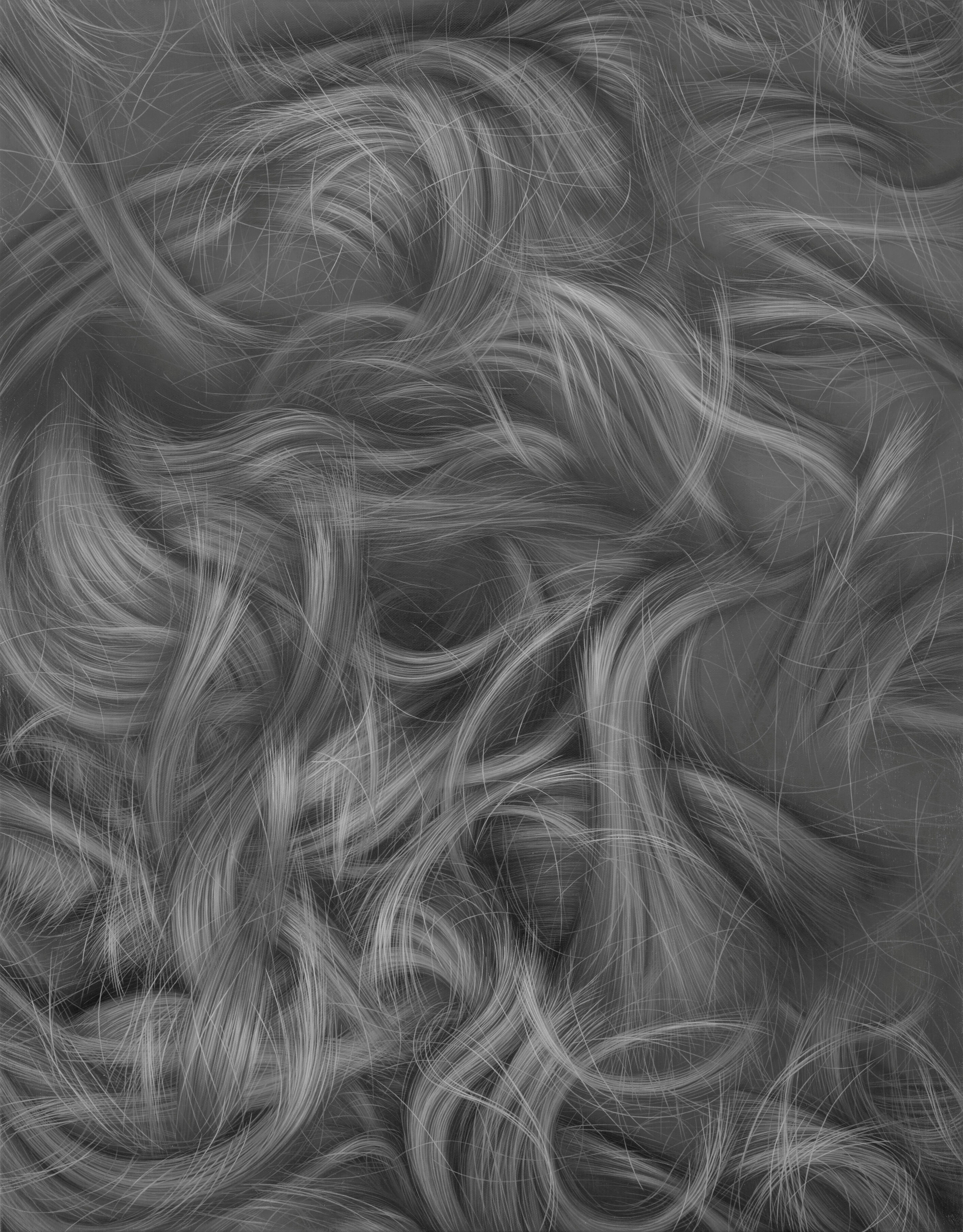
The Substance of Mirage
30 May – 4 Jul, 2026
Ora-Ora
SOUTHERN
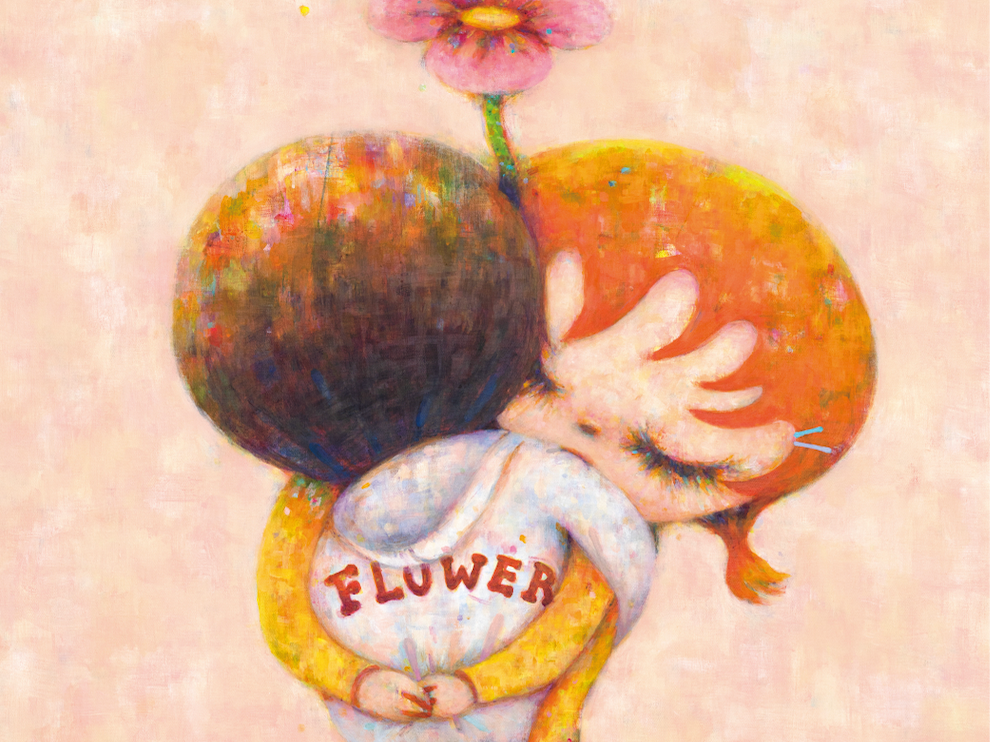
Living Living Artist: Kila Cheung Solo Exhibition
30 May – 12 Jul, 2026
Tang Contemporary Art (Wong Chuk Hang)
SOUTHERN
New Voices in Paris Now: Between Memory and Matter
29 May – 29 Aug, 2026
Alisan Atelier
SOUTHERN
8 – Between Symbiosis and Extinction
29 May – 30 Jun, 2026
Sin Sin Fine Art
CENTRAL
James Turrell: Lifting the Veil
28 May – 1 Aug, 2026
Gagosian
CENTRAL
The Outsider
28 May – 27 Jun, 2026
Art of Nature Contemporary (Central)
SOUTHERN
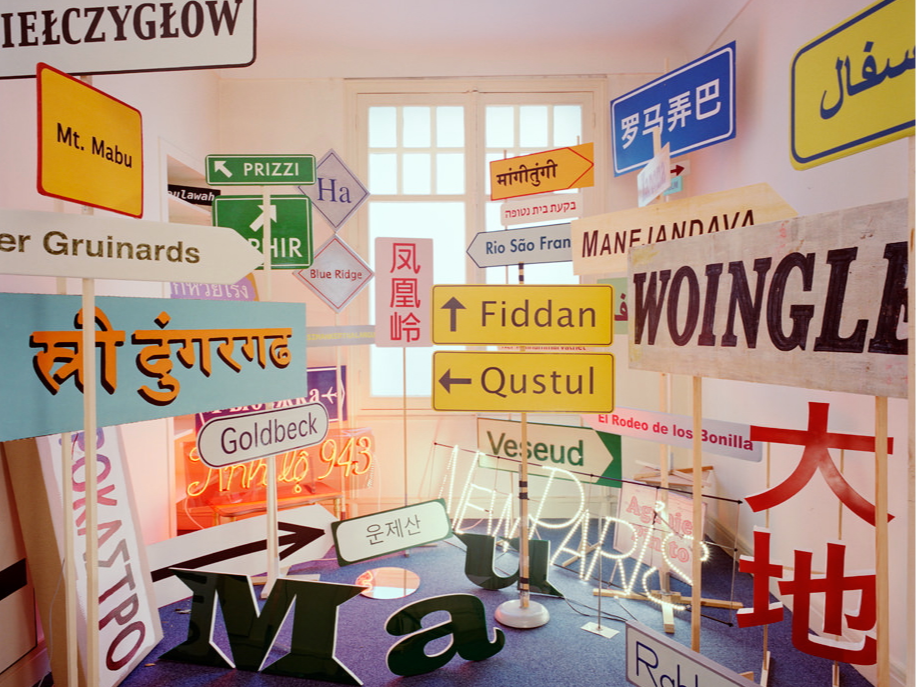
Synesthesia - Aki Lumi x Yuki Onodera
23 May – 25 Jul, 2026
wamono art
SOUTHERN
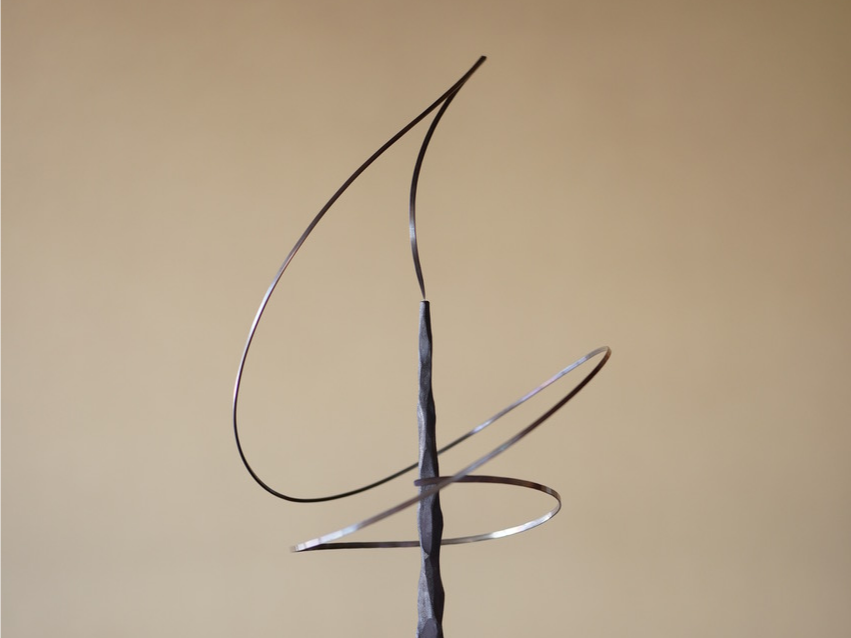
Resonance – Transforming the atmosphere and feeling of space
23 May – 25 Jul, 2026
wamono art
CENTRAL
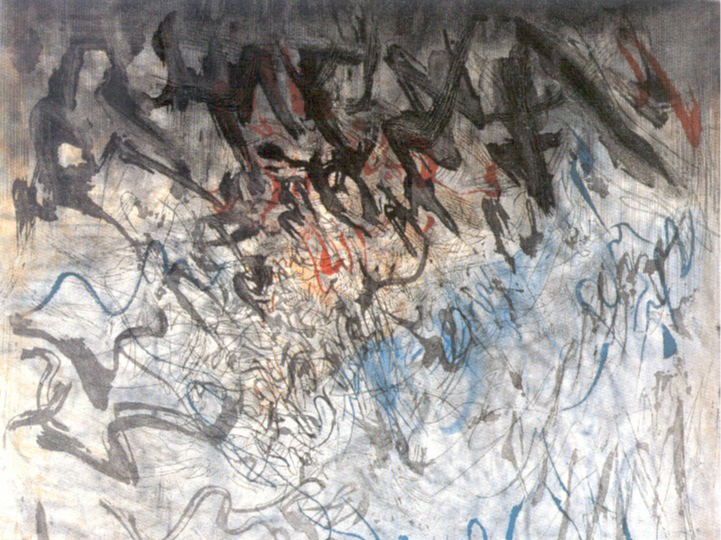
The Chinese Avant-Garde in Paris: Chu Teh-chun, T'ang Haywen, Walasse Ting, Zao Wou-ki
22 May – 15 Aug, 2026
Alisan Fine Arts
SOUTHERN
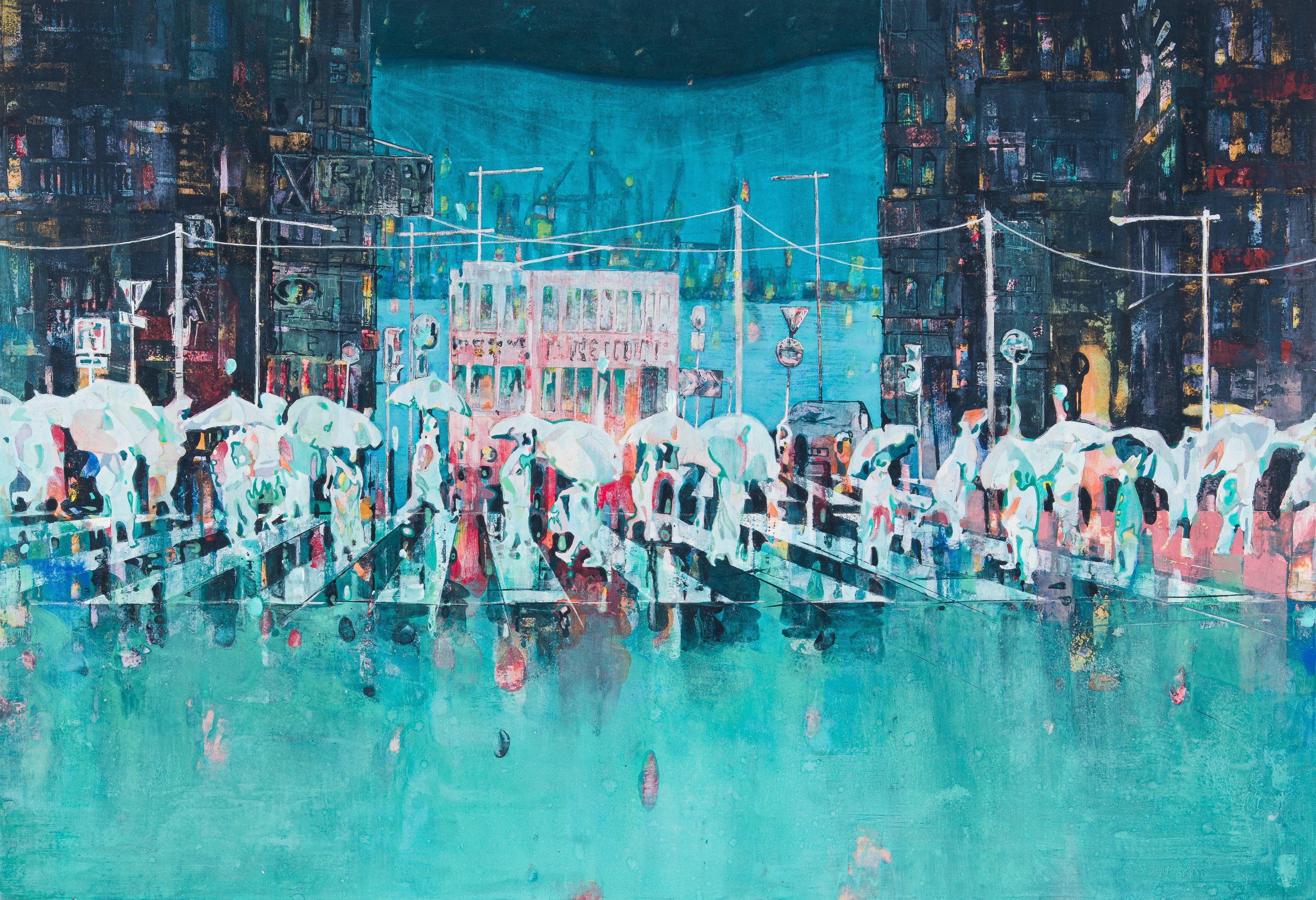
Intersection: Kisho Kakutani and Kosuke Harasawa
16 May – 4 Jul, 2026
Whitestone Gallery
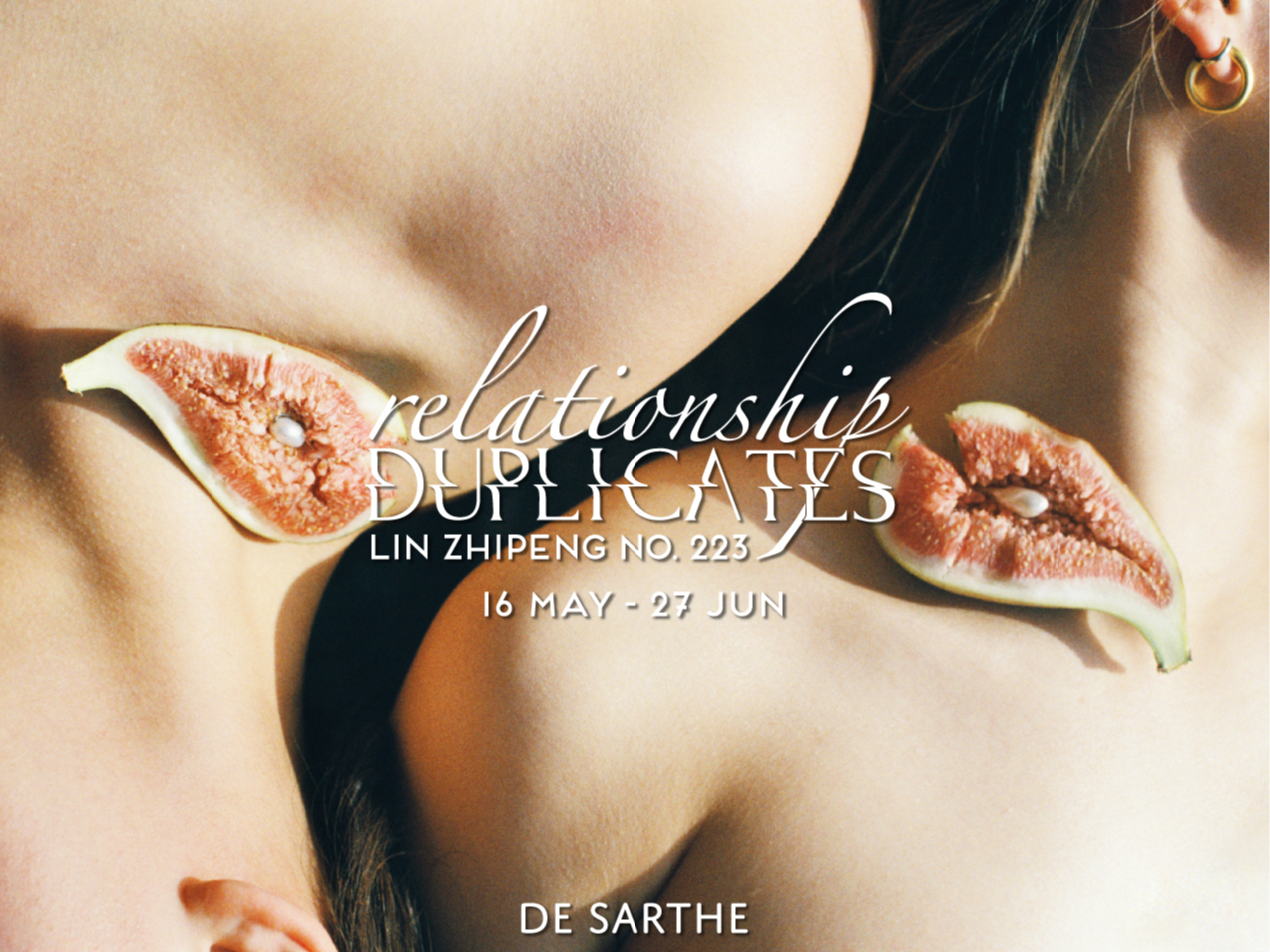
SOUTHERN
Lin Zhipeng (No.223): Relationship Duplicates
16 May – 27 Jun, 2026
DE SARTHE
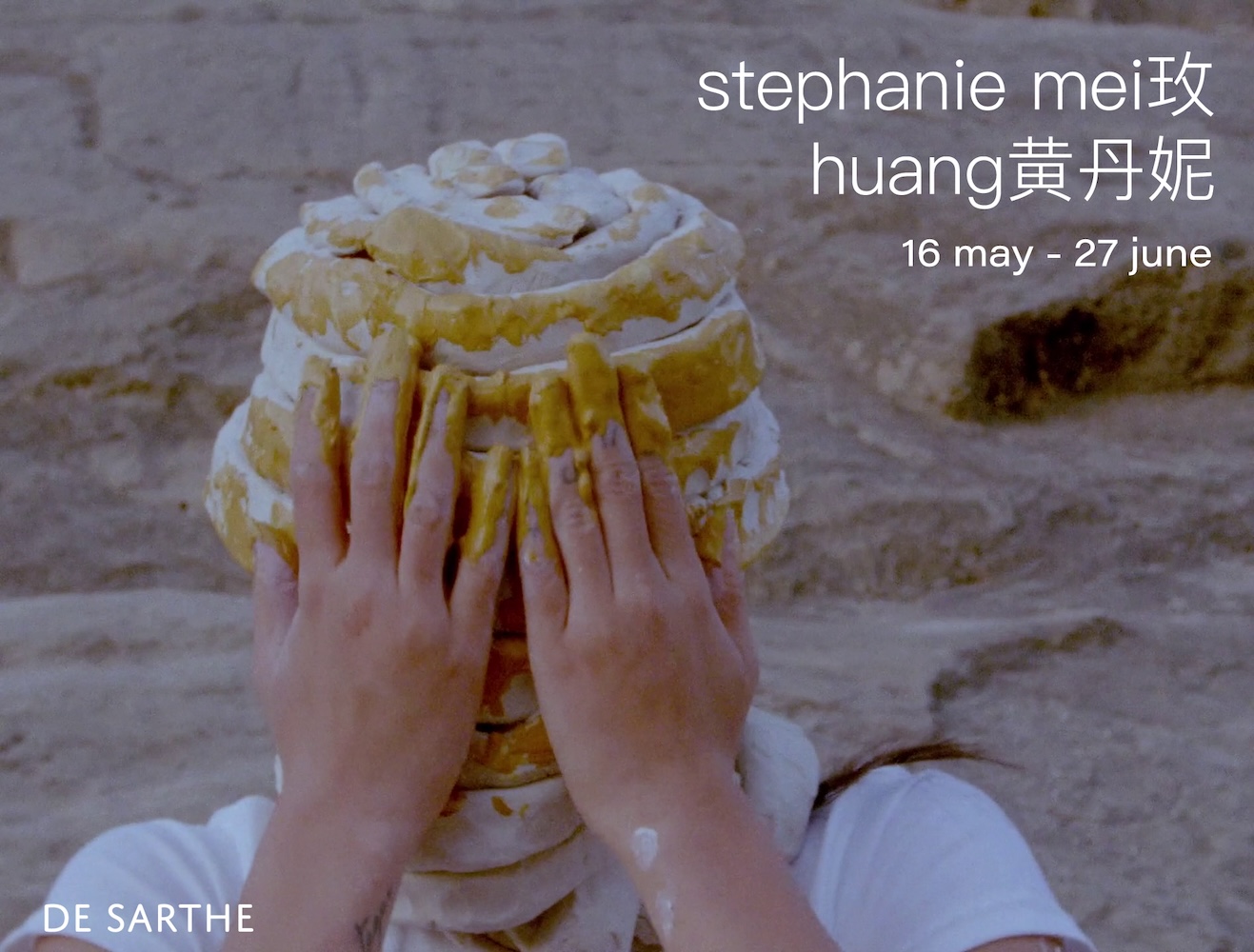
SOUTHERN
stephanie mei huang: yellow porcelain ii (outside the Los Angeles Police Academy)
16 May – 27 Jun, 2026
DE SARTHE
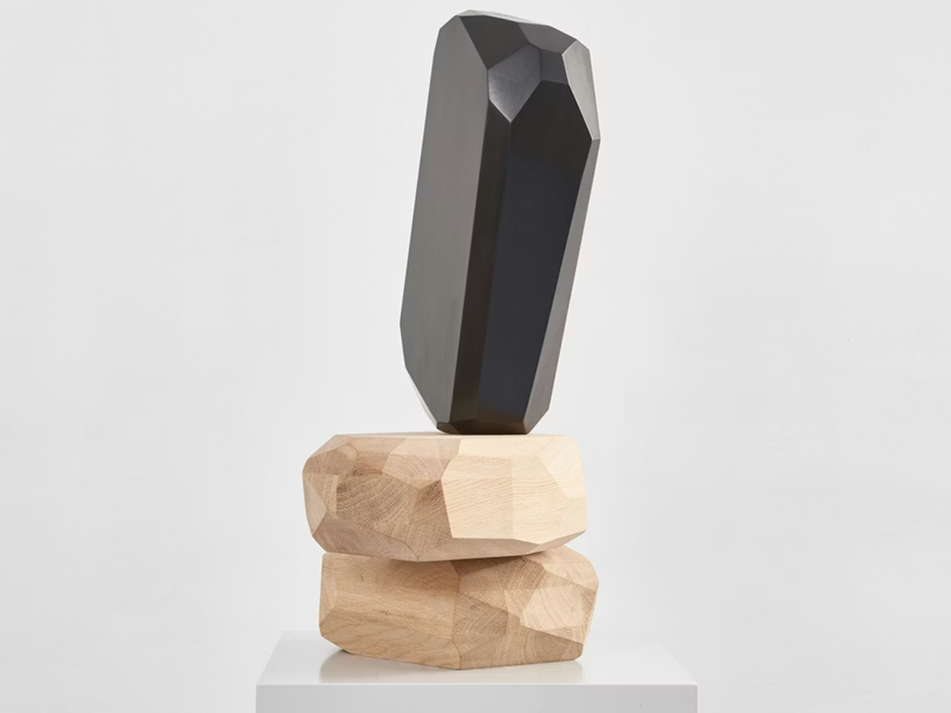
CENTRAL
Come Closer
15 May – 5 Jul, 2026
Tang Contemporary Art (Central)
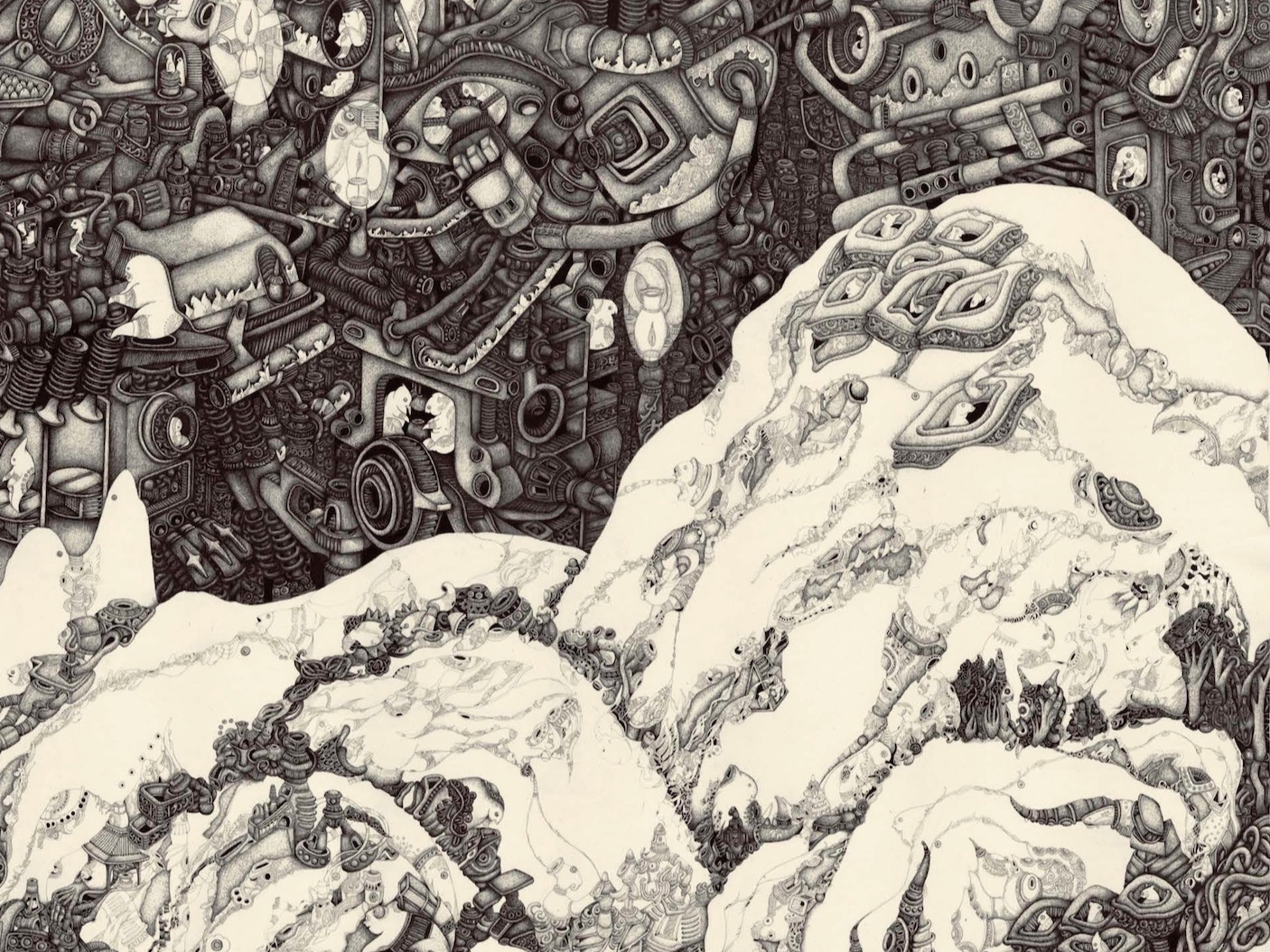
CENTRAL
Li Qing: Mechanismic Sublime — Reconstructing Literati Ruins
15 May – 28 Jun, 2026
INKstudio
, 2025, Acrylic on linen over panel, 100 x 70 cm.JPG)
SHEUNG WAN
Jon Poblador: San Gimignano
7 May – 20 Jun, 2026
Soluna Fine Art
SHEUNG WAN
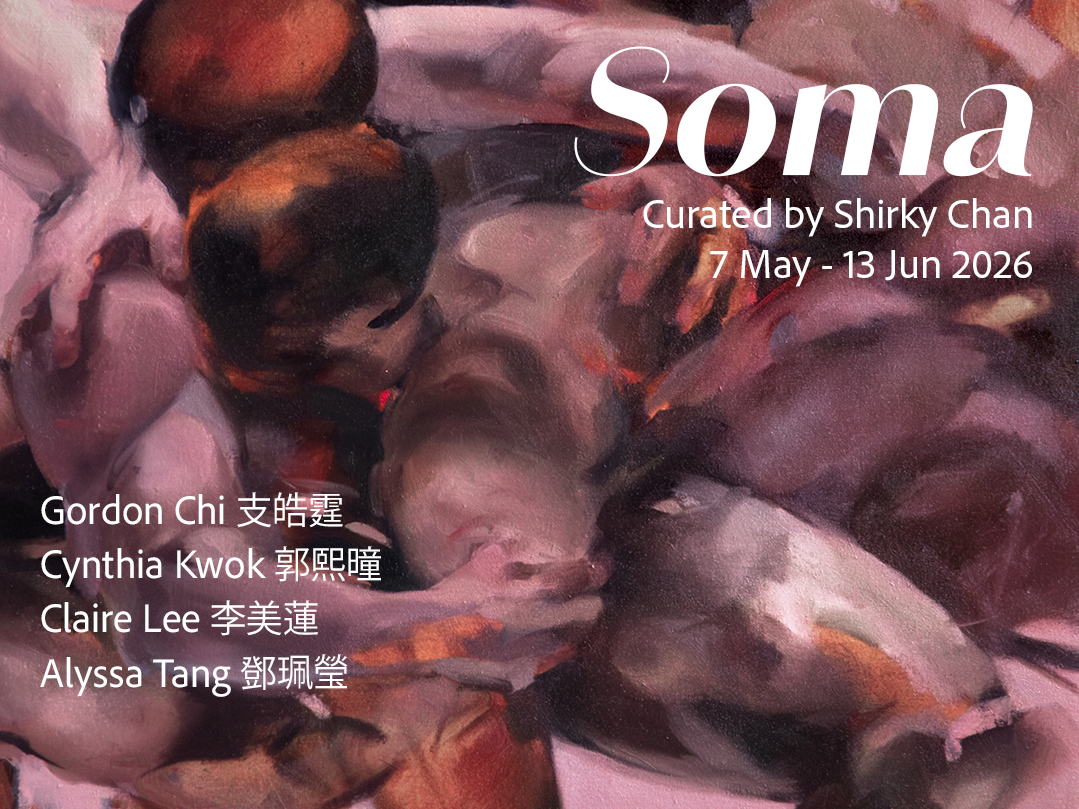
Soma
7 May – 13 Jun, 2026
Contemporary by Angela Li
SOUTHERN
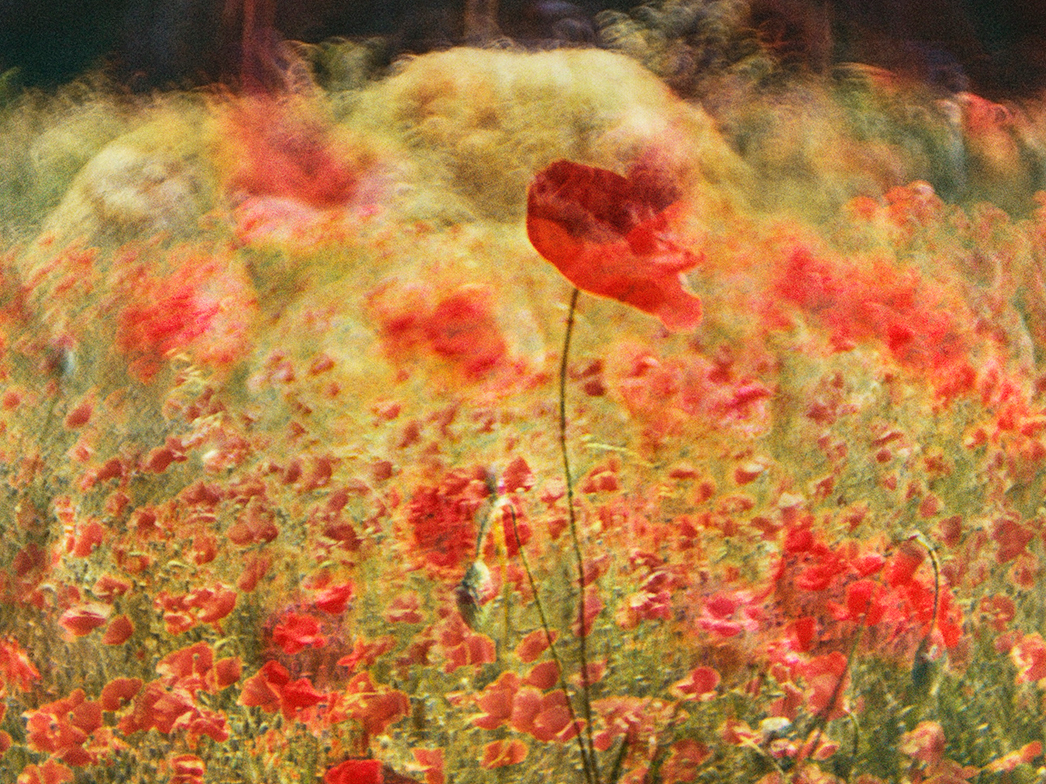
Keep only the Sunshine
24 Apr – 17 Jun, 2026
Boogie Woogie Photography
SOUTHERN
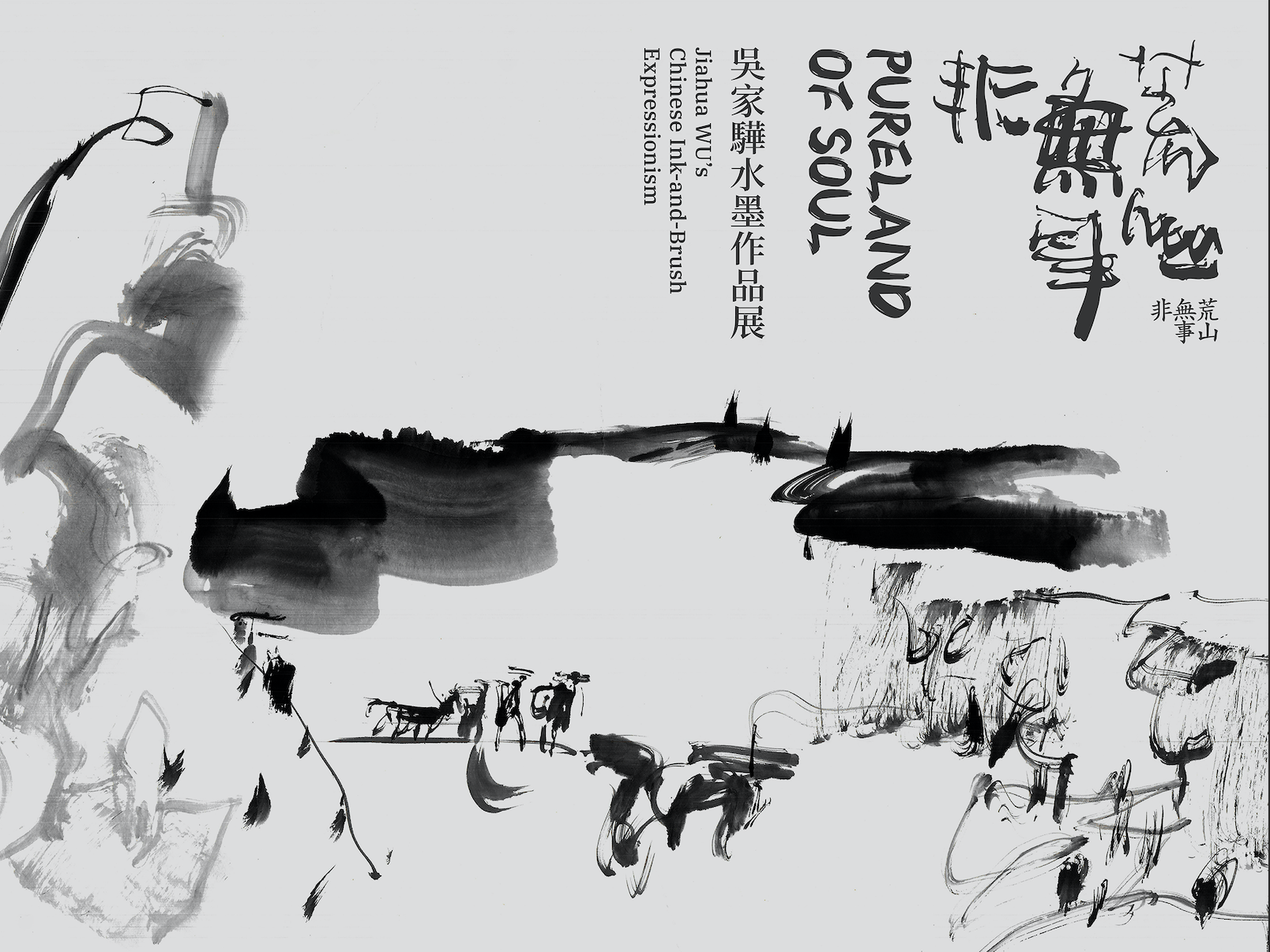
PURELAND OF SOUL: Jiahua WU’s Chinese Ink-and-Brush Expressionism
24 Apr – 4 Sep, 2026
Y Gallery
SOUTHERN
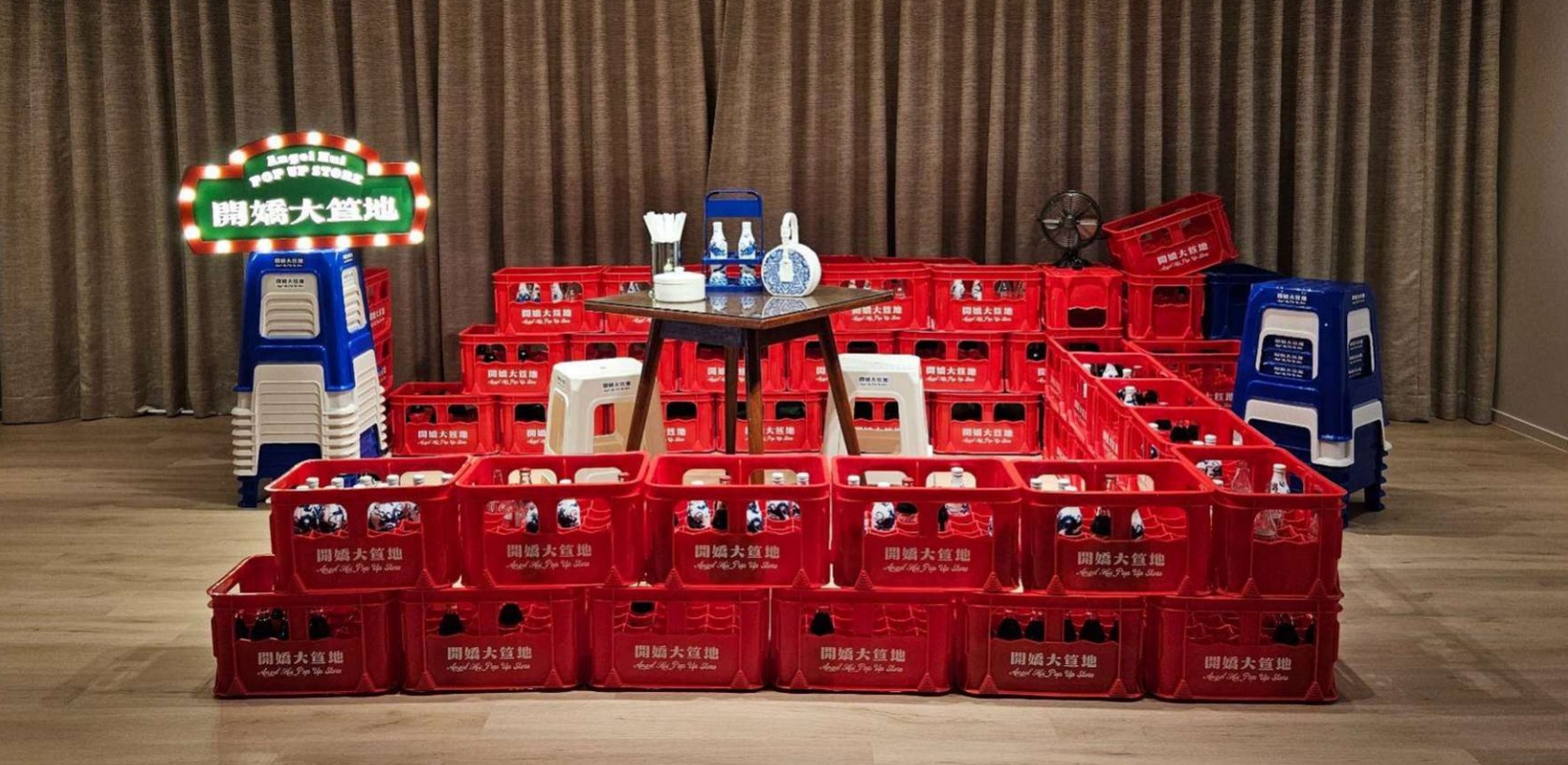
Reimagine the Familiar - A pop-up exhibition
26 Mar – 29 Aug, 2026
Alisan Atelier
 (1).jpg)
ADMIRALTY
Hung Hsien: Between Worlds
25 Mar – 21 Jun, 2026
Asia Society Hong Kong Center
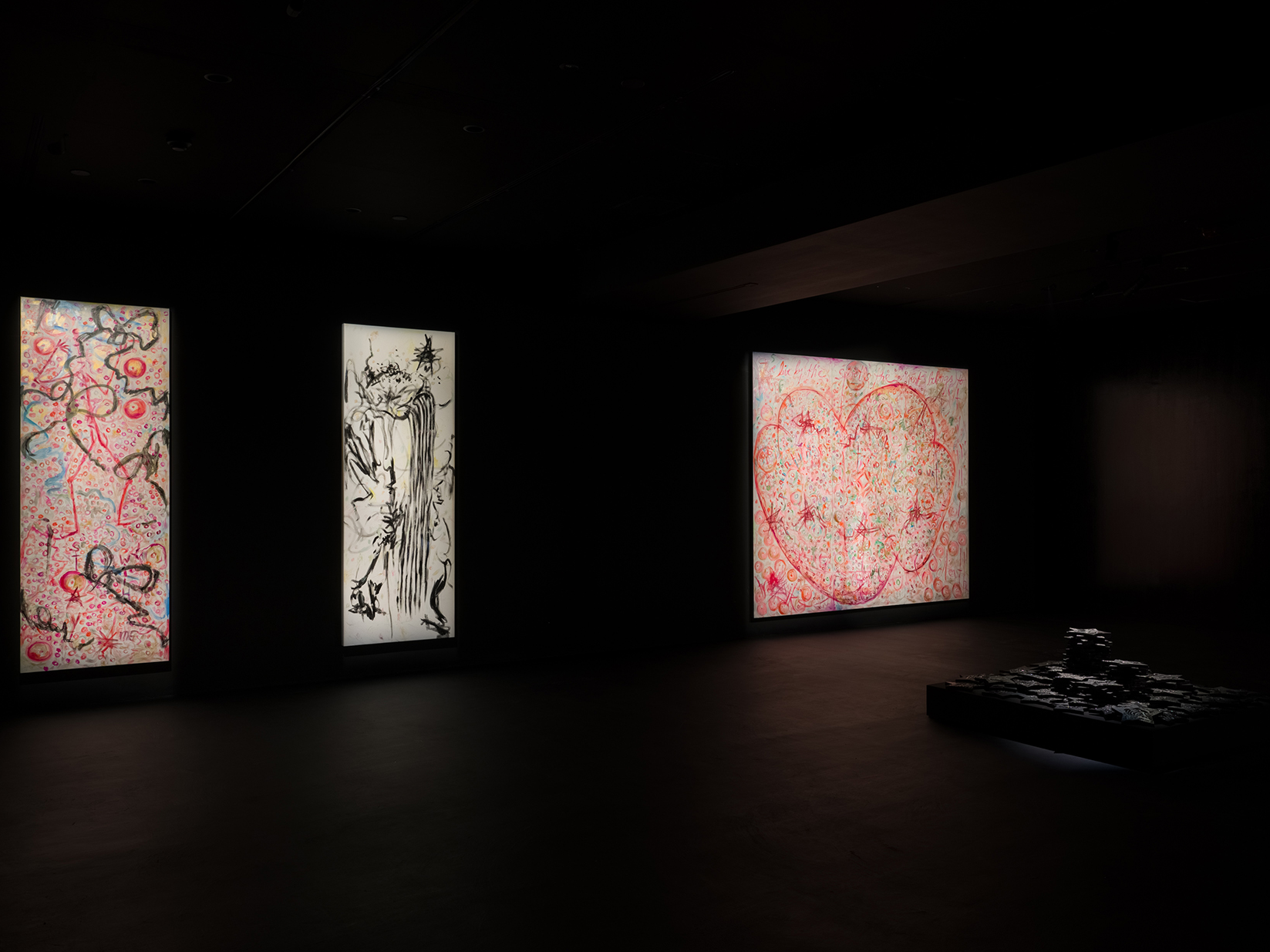
SOUTHERN
rEceNt WoRkS: Jutta Koether
22 Mar – 20 Jun, 2026
Empty Gallery
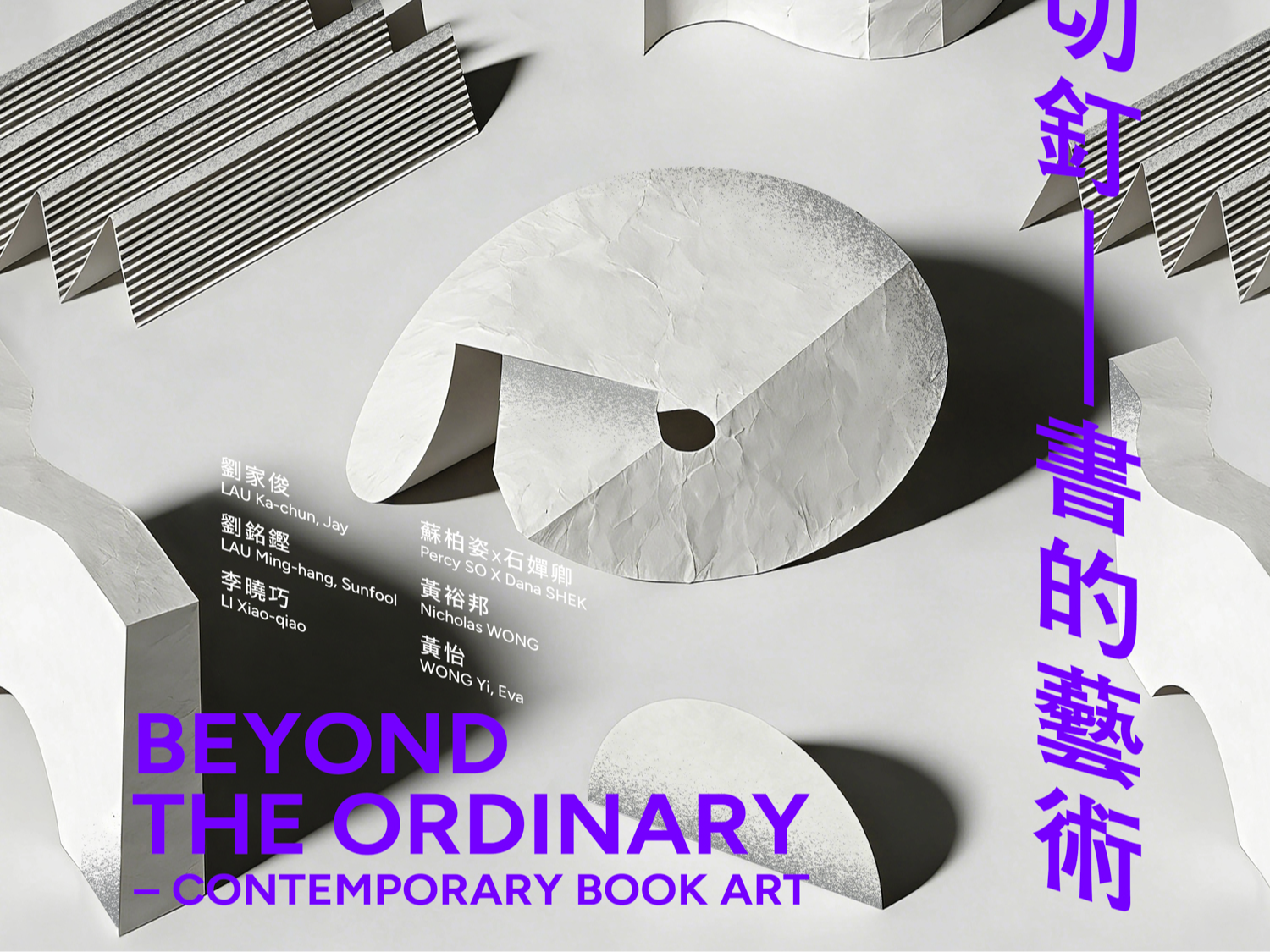
CENTRAL
Beyond the Ordinary – Contemporary Book Art
21 Mar – 30 Sep, 2026
Print Art Contemporary
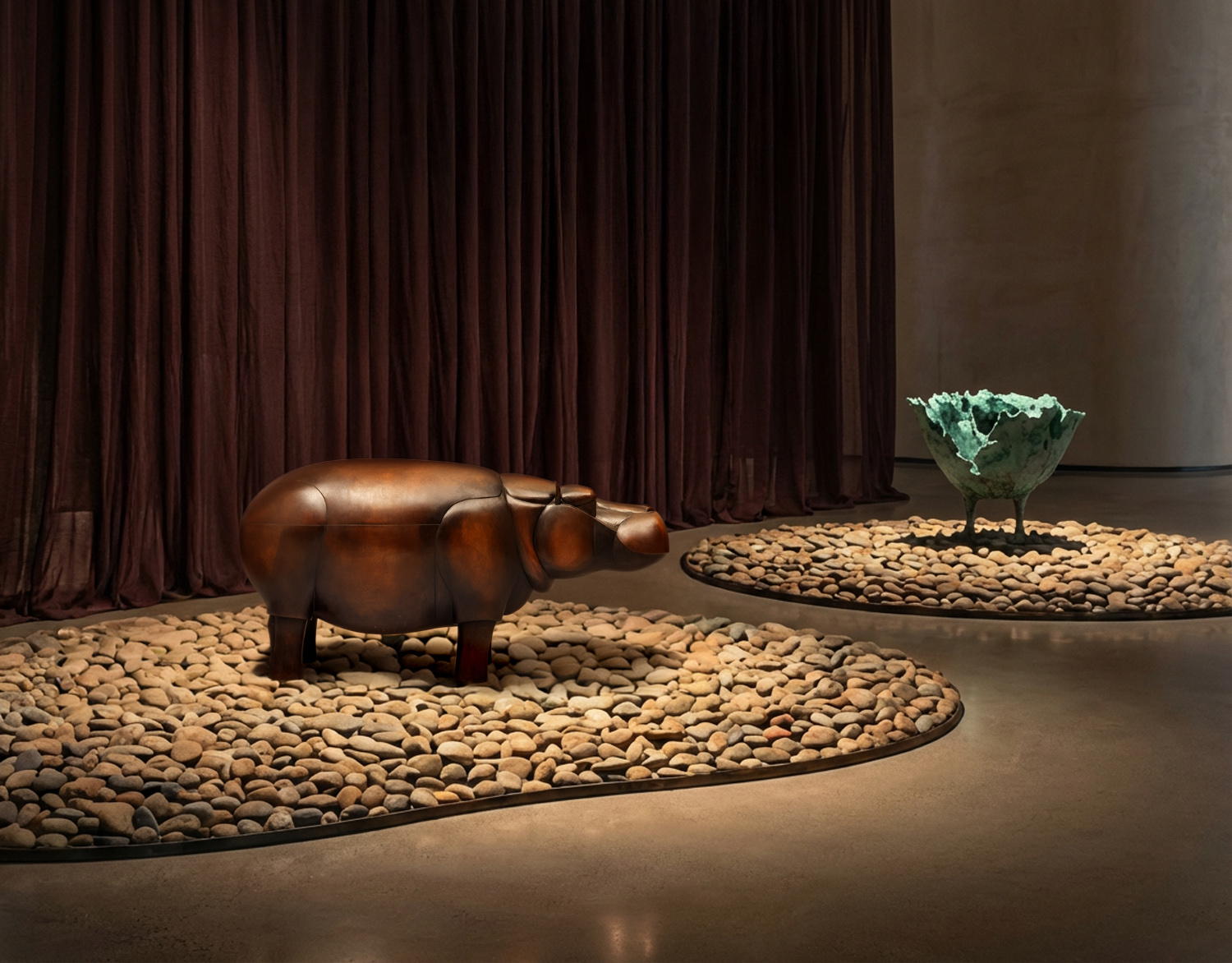
SOUTHERN
LES LALANNE : A LIVING LANDSCAPE
21 Mar – 13 Jun, 2026
Ben Brown Fine Arts
CENTRAL
The Ascent: 15 Years of 3812 Gallery – Anniversary Exhibition
19 Mar – 30 Jun, 2026
3812 Gallery
OPENING SOON
 (1).jpg)
NIAO NIAO: A Solo Exhibition by Su Xiaobai
24 Mar – 15 May, 2025
Pearl Lam Galleries Hong Kong
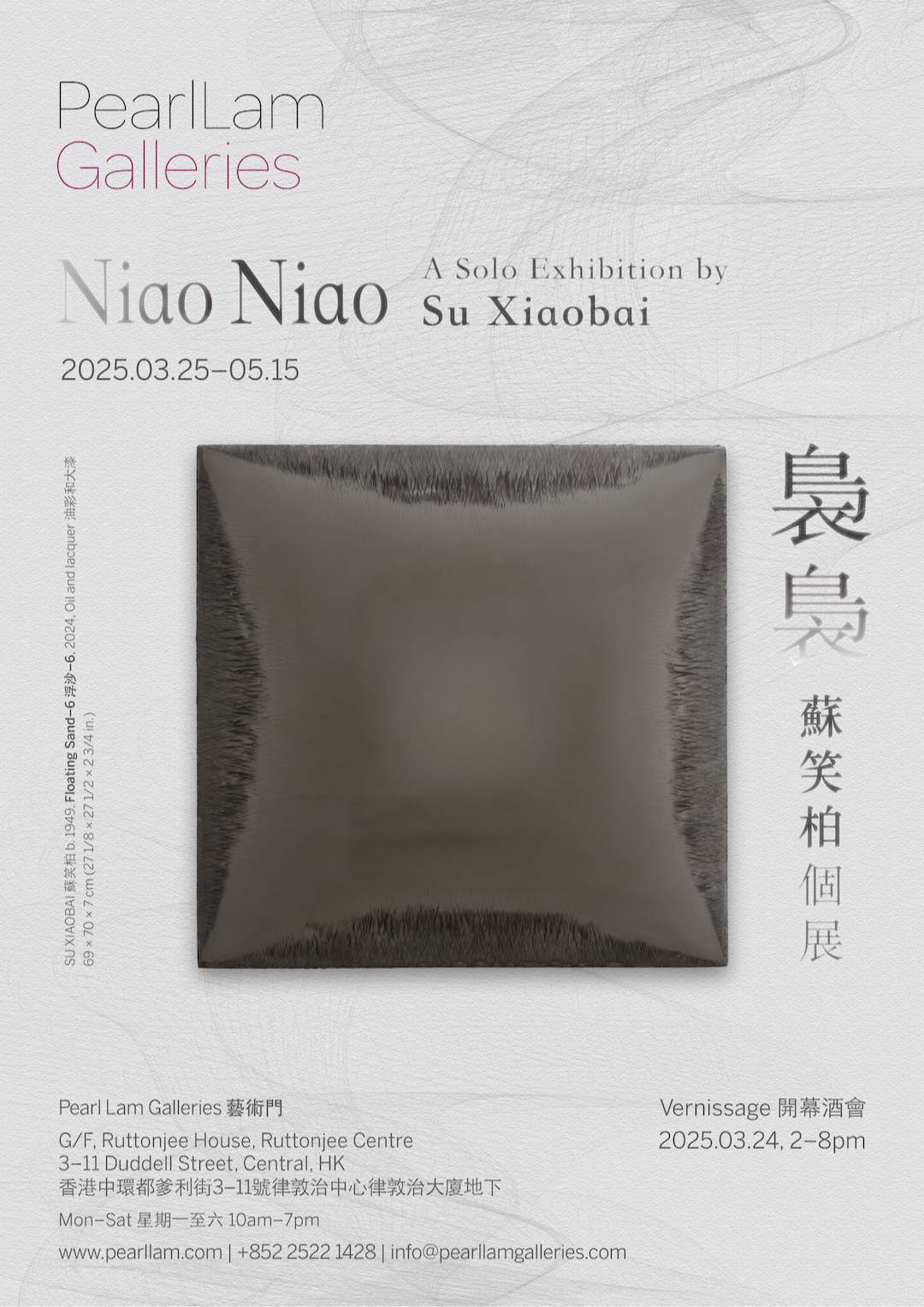
Hong Kong—Pearl Lam Galleries is delighted to present Niao Niao, a solo exhibition in collaboration with the Su Xiaobai Foundation, showcasing the works of renowned artist Su Xiaobai from 24 March–15 May. This exhibition, coinciding with Art Basel Hong Kong, is exemplary of the gallery’s long-term focus on abstraction.
Su Xiaobai pursued his postgraduate studies at the Kunstakademie Düsseldorf in the 1980s and was taught by Konrad Klapheck. He embraces abstraction by consciously stripping his work of narrative and explicit meaning. Known for experimenting with lacquer, a resin-based material traditionally used for making lacquerware that can be dated back to the 5th millennium BC, Su is drawn by its unpredictable characteristics. His core interest is to realise physical forms that are inherent to the material and diverse properties of lacquer.
Niao Niao [裊裊] is a new series of paintings that Su has been steadily working on over the past two years. Niao in Chinese literally means being adrift and reflects the artist’s own displacement. “I have no hometown, but I embrace it,” says Su, highlighting how he comes to terms with the psychological solitude. His personal histories are often interwoven with the history of painting itself, giving weight to both material and non-objective expression but without conforming to specific traditional or cultural norms.
“Niao,” in Su’s words, “is an onomatopoeic word that evokes the image of smoke gently rising and curling. This series of work aims to capture a lingering sound that extends into a melancholic echo, much like lingering emotions, with a dense nebulous presence that drifts, permeates, and eventually dissipates.” Furthermore, the concept of Niao Niao signifies the intellectual independence and integrity of a generation of Chinese artists who have been largely left out of the mainstream narrative formed by post-war debates about modernism, minimalism, abstract expressionism, and art informel.
Inspired by old roof tiles from traditional houses in Fujian province after his return to China from Germany in 2003, the shapes of tile are a recurring motif in Su’s oeuvre. The process of making a painting is labour intensive. Individual artworks begin with a curvilinear and meticulously crafted base structure made with wood, plastic, and linen. The lacquer, mixed with turpentine, damar resin, stone powder, metal powders, and synthetic mineral pigments, undergoes a process of drying that produces a crystalline surface reminiscent of glaze. Su is always cognizant of how the edges of the painting and the work’s concave and convex surfaces affect our bodily association with space, literally and metaphorically. The unpredictable interplay of drying stages, resulting in diverse textures, inspires Su’s ongoing experimentation. Embracing both failure and discovery have become integral parts of his process.
Colours are more than visual elements; they are vessels of history and narrative as well. Su believes that colour, also a material, possesses a secondary essence, and he persistently explores new approaches to infuse his monochromatic works with subtleties. He seeks out pigments with storied pasts, such as Tyrian purple, or endows them with hidden personal meanings. He uses lacquer that has been sun-cured for half a year, blending it with pigment powder. The mixture is then meticulously milled with a grinding machine until it reaches a set consistency. The painting process involves multiple coats of clear lacquer, each applied over a few days, with the canvas exposed to the light by day and placed in darkness by night. The pieces are then left to cure in a shaded room for several days, allowing them to develop a luminous glow over time. Su is not interested in depicting objects or figures with his work but actively engages with the concept of existence itself. There is no determinate order; what is left in a painting has to do with ontology, and the works complete themselves based on their own order. Su claims, “All paintings are real and are responsible for their own existence; what I care about is the possibility for painting to exist independent of itself.”
This exhibition is broken down into two distinctive sections to shed light on the ever-changing meaning behind Su’s artworks and, more importantly, to express longing for artistic freedom. With reference to the landscape design of classical Chinese gardens in Suzhou, the first section utilises different layering of space to encourage audiences to become more aware of their own sense of movement relative to their perception of an artwork. A small painted broken tile, Floating Tile–5 (2024), located on the front wall alludes to a temporary dwelling; a green painting, Floating Grass–1 (2024), is hung in proximity, suggesting nature and growth. Audiences then enter individual compartments to look at different groupings of grey paintings, Floating Sand (2024), of varying sizes. The intention is to accentuate visual qualities of absorption, diffusion, and containment. A muted white Floating Flake (2025) is hung next to Floating Grass–3 (2024) with rich textures to convey remnants from the past that have withstood the weathering of history. In section two, along a corridor conducive for perspectival readings of artworks, we see a large blue diptych painting titled Floating Haze (2025) coupled with Floating Light (2025), a drip painting, on the end wall. Floating Haze is an abstract expression of ravines and mountains shrouded in clouds and mist. The interplay of blue and white evokes clouds, water, and the movement of glaciers. Installed on the opposite wall are works that are slightly more painterly in nature, as Su attempts to do away with depicting imagery with these pieces. Inside a semi-enclosed room, a large blue work with unique curvatures, Floating Beam, is used to stage a physical compression for audiences to observe more closely the subtle changes of the marks on the painted surface, as if time can come to a standstill.
Pearl Lam Galleries remains a leader in encouraging dialogue between the East and West and fostering cross-cultural exchange. Alongside the Hong Kong group presentation featuring Su Xiaobai’s work, the gallery will also present an exhibition by Michal Korman at its Shanghai space, underscoring its dedication to promoting groundbreaking art that transcends borders.
Su Xiaobai pursued his postgraduate studies at the Kunstakademie Düsseldorf in the 1980s and was taught by Konrad Klapheck. He embraces abstraction by consciously stripping his work of narrative and explicit meaning. Known for experimenting with lacquer, a resin-based material traditionally used for making lacquerware that can be dated back to the 5th millennium BC, Su is drawn by its unpredictable characteristics. His core interest is to realise physical forms that are inherent to the material and diverse properties of lacquer.
Niao Niao [裊裊] is a new series of paintings that Su has been steadily working on over the past two years. Niao in Chinese literally means being adrift and reflects the artist’s own displacement. “I have no hometown, but I embrace it,” says Su, highlighting how he comes to terms with the psychological solitude. His personal histories are often interwoven with the history of painting itself, giving weight to both material and non-objective expression but without conforming to specific traditional or cultural norms.
“Niao,” in Su’s words, “is an onomatopoeic word that evokes the image of smoke gently rising and curling. This series of work aims to capture a lingering sound that extends into a melancholic echo, much like lingering emotions, with a dense nebulous presence that drifts, permeates, and eventually dissipates.” Furthermore, the concept of Niao Niao signifies the intellectual independence and integrity of a generation of Chinese artists who have been largely left out of the mainstream narrative formed by post-war debates about modernism, minimalism, abstract expressionism, and art informel.
Inspired by old roof tiles from traditional houses in Fujian province after his return to China from Germany in 2003, the shapes of tile are a recurring motif in Su’s oeuvre. The process of making a painting is labour intensive. Individual artworks begin with a curvilinear and meticulously crafted base structure made with wood, plastic, and linen. The lacquer, mixed with turpentine, damar resin, stone powder, metal powders, and synthetic mineral pigments, undergoes a process of drying that produces a crystalline surface reminiscent of glaze. Su is always cognizant of how the edges of the painting and the work’s concave and convex surfaces affect our bodily association with space, literally and metaphorically. The unpredictable interplay of drying stages, resulting in diverse textures, inspires Su’s ongoing experimentation. Embracing both failure and discovery have become integral parts of his process.
Colours are more than visual elements; they are vessels of history and narrative as well. Su believes that colour, also a material, possesses a secondary essence, and he persistently explores new approaches to infuse his monochromatic works with subtleties. He seeks out pigments with storied pasts, such as Tyrian purple, or endows them with hidden personal meanings. He uses lacquer that has been sun-cured for half a year, blending it with pigment powder. The mixture is then meticulously milled with a grinding machine until it reaches a set consistency. The painting process involves multiple coats of clear lacquer, each applied over a few days, with the canvas exposed to the light by day and placed in darkness by night. The pieces are then left to cure in a shaded room for several days, allowing them to develop a luminous glow over time. Su is not interested in depicting objects or figures with his work but actively engages with the concept of existence itself. There is no determinate order; what is left in a painting has to do with ontology, and the works complete themselves based on their own order. Su claims, “All paintings are real and are responsible for their own existence; what I care about is the possibility for painting to exist independent of itself.”
This exhibition is broken down into two distinctive sections to shed light on the ever-changing meaning behind Su’s artworks and, more importantly, to express longing for artistic freedom. With reference to the landscape design of classical Chinese gardens in Suzhou, the first section utilises different layering of space to encourage audiences to become more aware of their own sense of movement relative to their perception of an artwork. A small painted broken tile, Floating Tile–5 (2024), located on the front wall alludes to a temporary dwelling; a green painting, Floating Grass–1 (2024), is hung in proximity, suggesting nature and growth. Audiences then enter individual compartments to look at different groupings of grey paintings, Floating Sand (2024), of varying sizes. The intention is to accentuate visual qualities of absorption, diffusion, and containment. A muted white Floating Flake (2025) is hung next to Floating Grass–3 (2024) with rich textures to convey remnants from the past that have withstood the weathering of history. In section two, along a corridor conducive for perspectival readings of artworks, we see a large blue diptych painting titled Floating Haze (2025) coupled with Floating Light (2025), a drip painting, on the end wall. Floating Haze is an abstract expression of ravines and mountains shrouded in clouds and mist. The interplay of blue and white evokes clouds, water, and the movement of glaciers. Installed on the opposite wall are works that are slightly more painterly in nature, as Su attempts to do away with depicting imagery with these pieces. Inside a semi-enclosed room, a large blue work with unique curvatures, Floating Beam, is used to stage a physical compression for audiences to observe more closely the subtle changes of the marks on the painted surface, as if time can come to a standstill.
Pearl Lam Galleries remains a leader in encouraging dialogue between the East and West and fostering cross-cultural exchange. Alongside the Hong Kong group presentation featuring Su Xiaobai’s work, the gallery will also present an exhibition by Michal Korman at its Shanghai space, underscoring its dedication to promoting groundbreaking art that transcends borders.
Pearl Lam Galleries Hong Kong