

CURRENTLY SHOWING
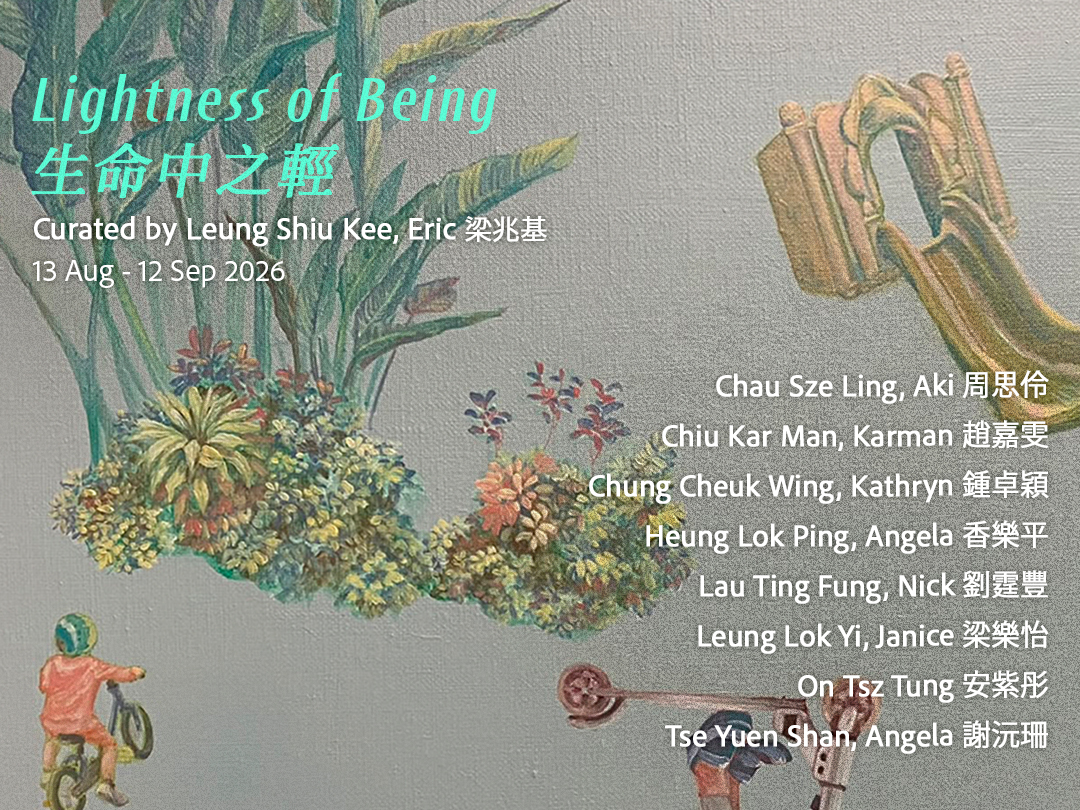
SHEUNG WAN
Lightness of Being
13 Aug – 12 Sep, 2026
Contemporary by Angela Li
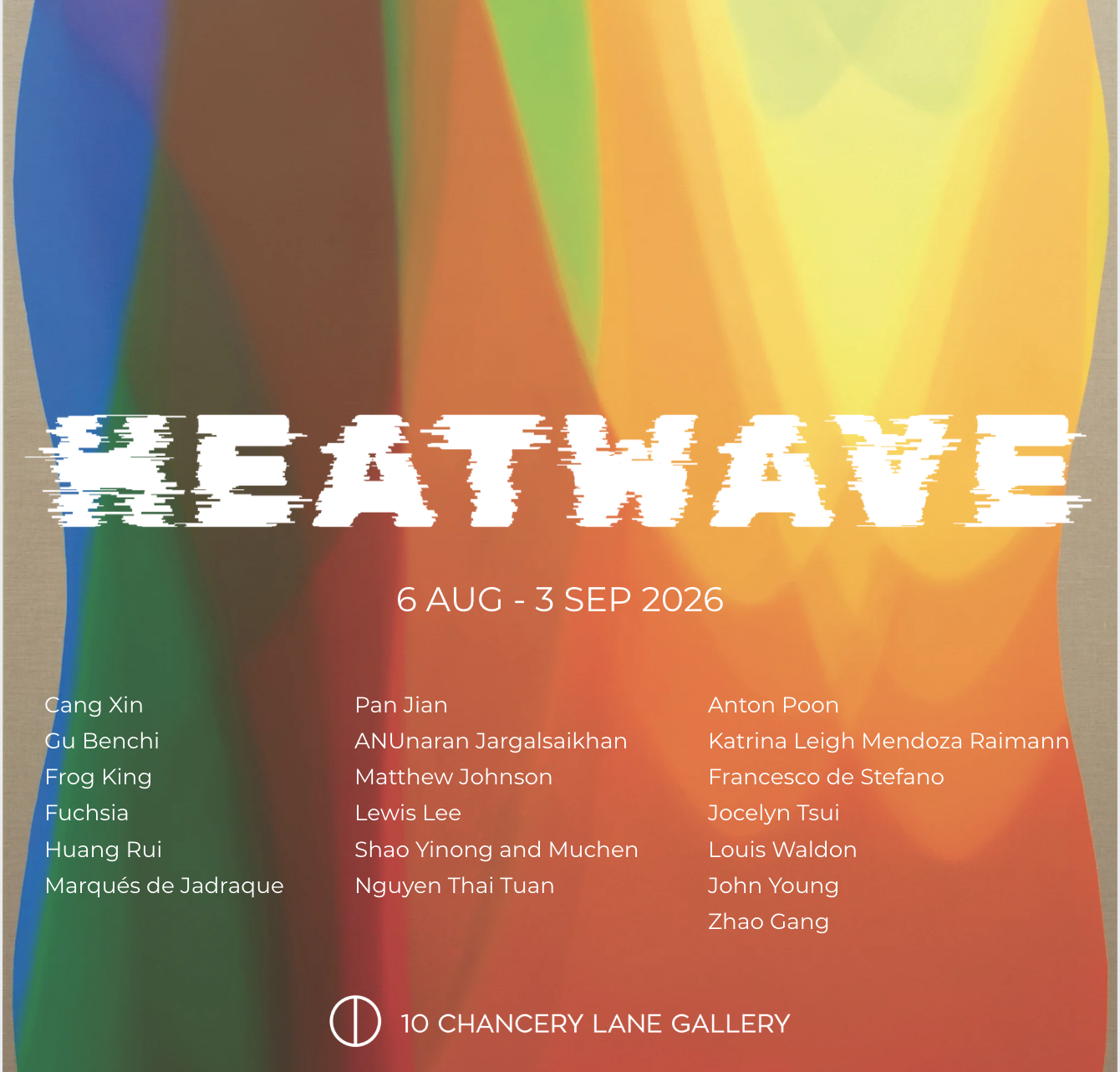
CENTRAL
HEATWAVE
6 Aug – 3 Sep, 2026
10 Chancery Lane Gallery
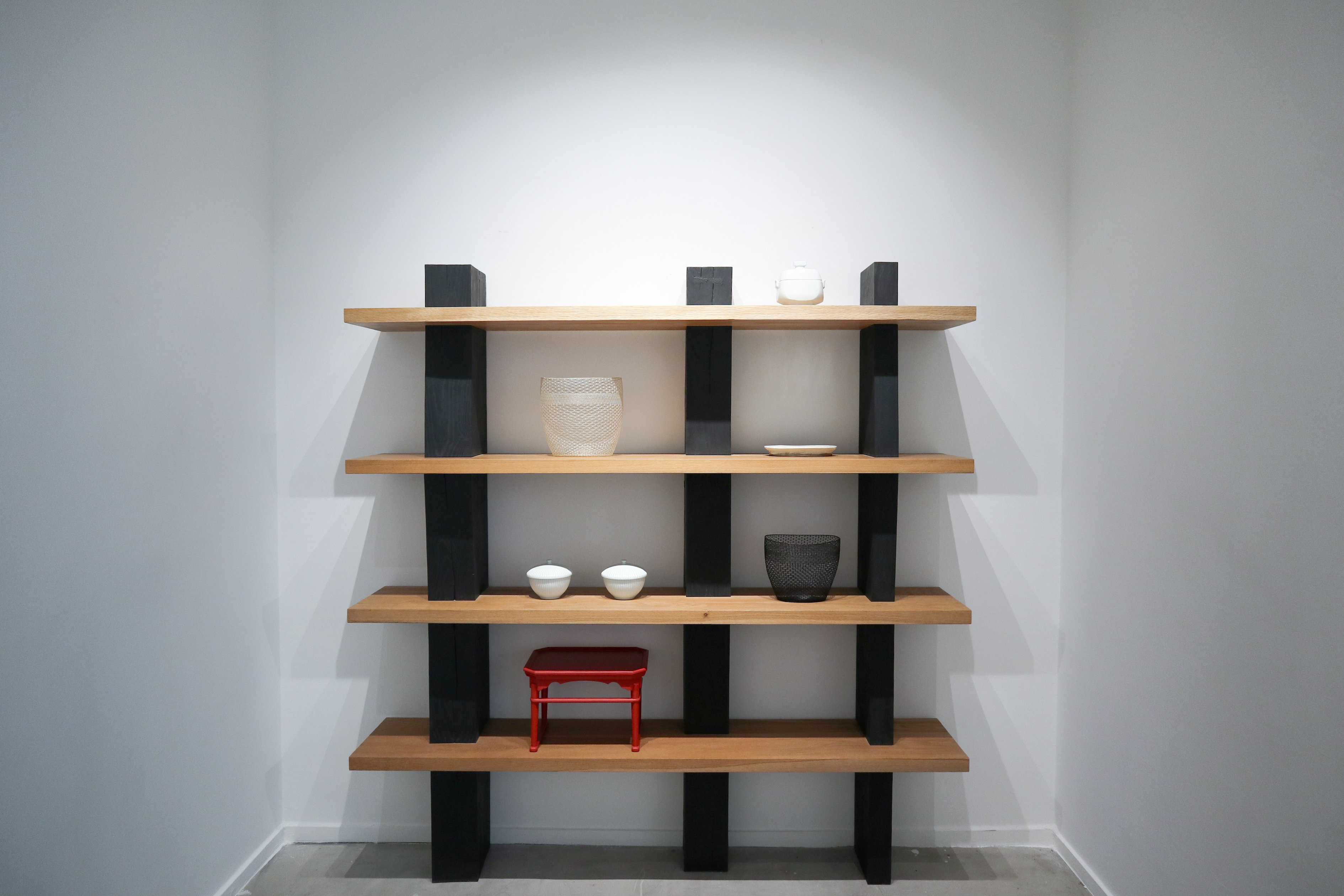
SHEUNG WAN
Soluna Collection: In Dialogue with Materiality
25 Jul – 15 Aug, 2026
Soluna Fine Art
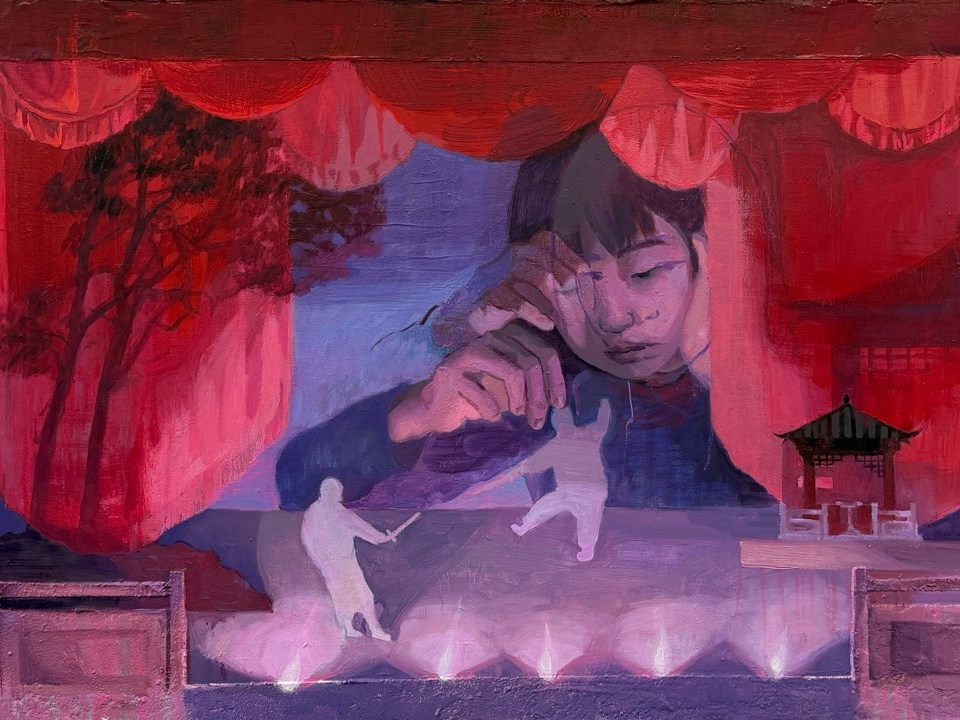
SOUTHERN
EVEN THOUGH I FORGOT MY NAME
18 Jul – 29 Aug, 2026
THE HARTZ PROJECT
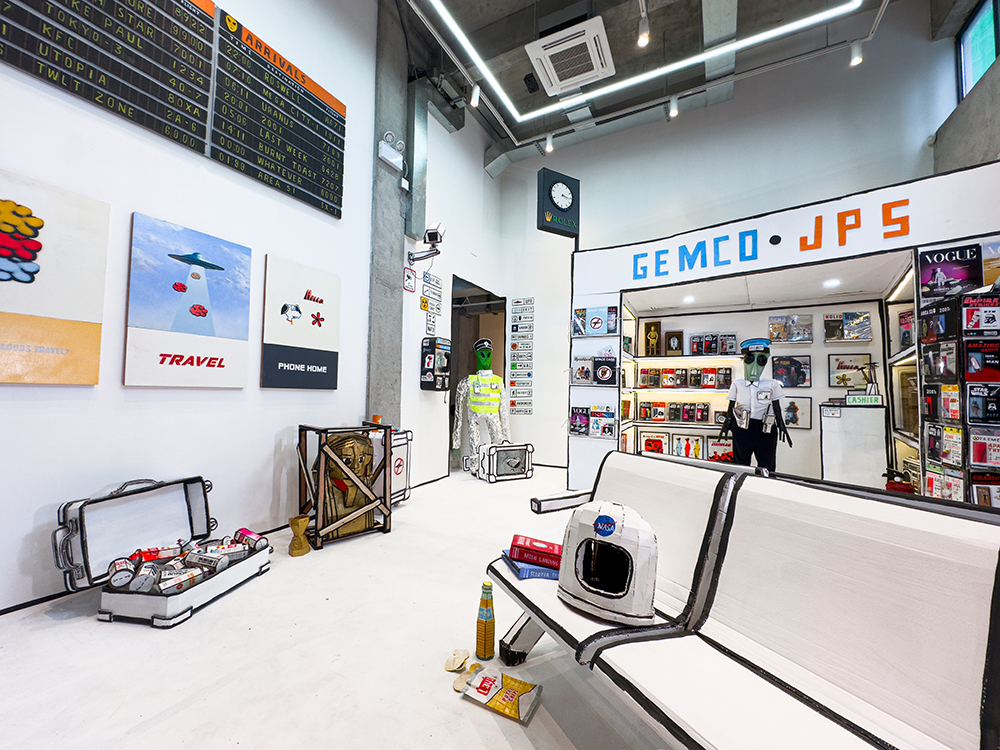
CENTRAL
RUNWAY 51
16 Jul – 19 Sep, 2026
JPS Gallery
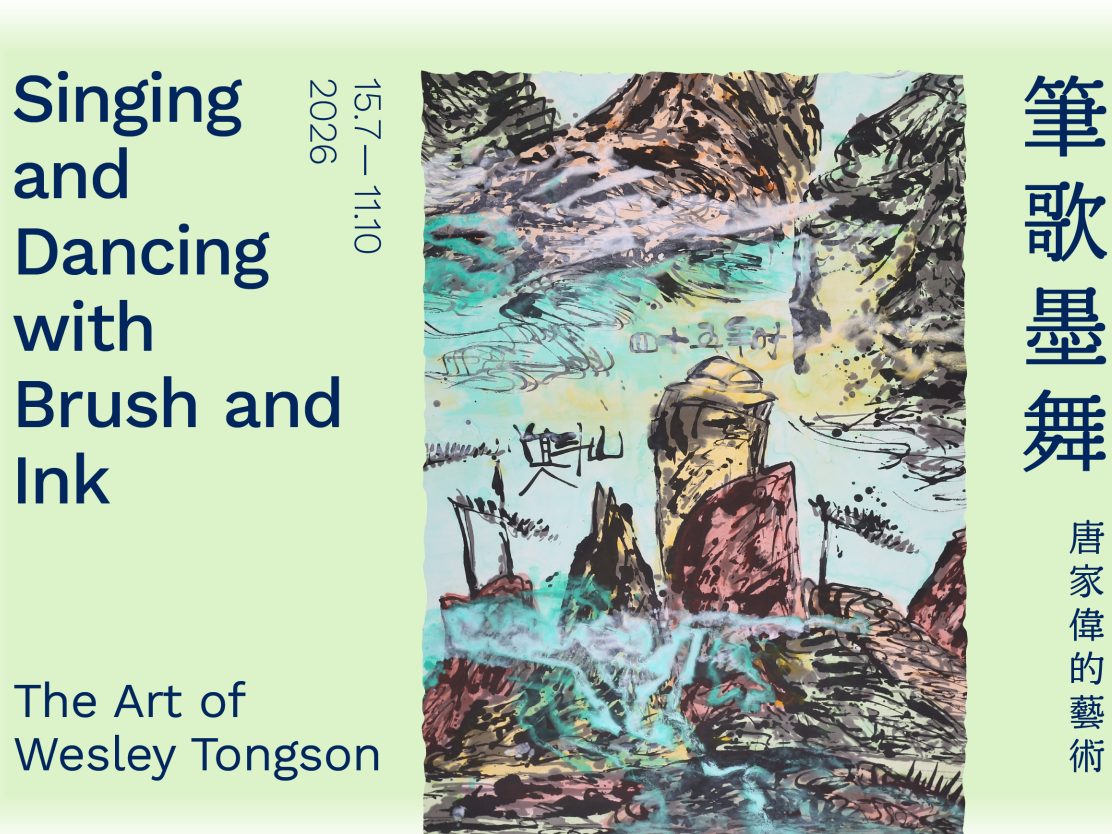
ADMIRALTY
Singing and Dancing with Brush and Ink: The Art of Wesley Tongson
15 Jul – 11 Oct, 2026
Asia Society Hong Kong Center
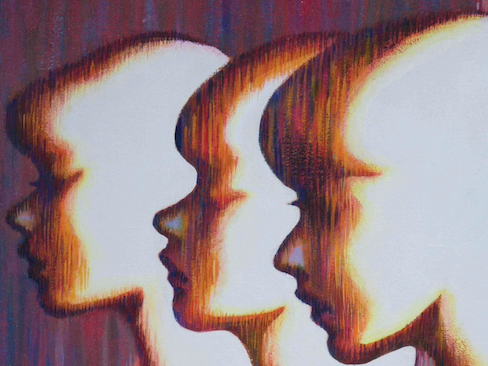
SOUTHERN
Becoming Her
11 Jul – 15 Aug, 2026
Whitestone Gallery

SOUTHERN
FORM
10 Jul – 12 Sep, 2026
Sin Sin Fine Art
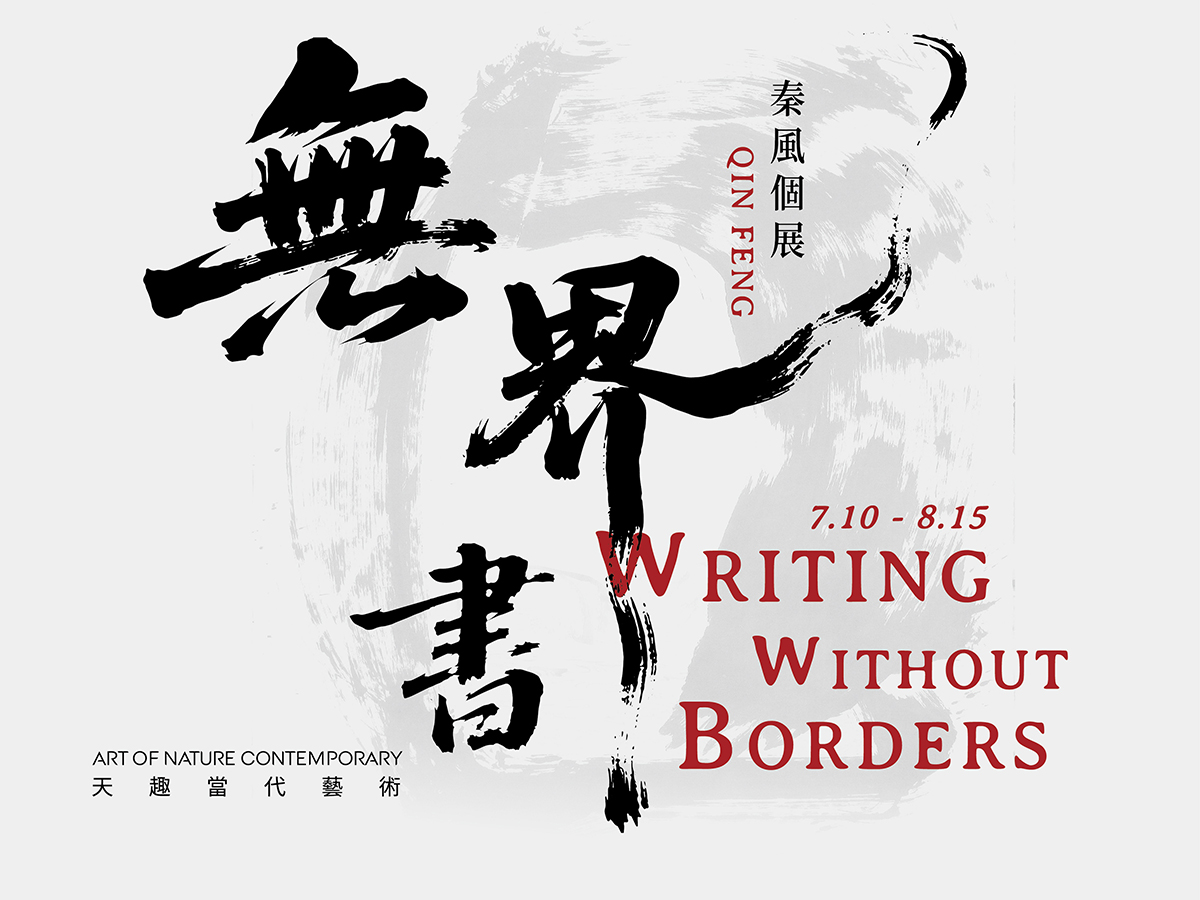
CENTRAL
Qin Feng : Writing Without Borders
10 Jul – 15 Aug, 2026
Art of Nature Contemporary (Central)
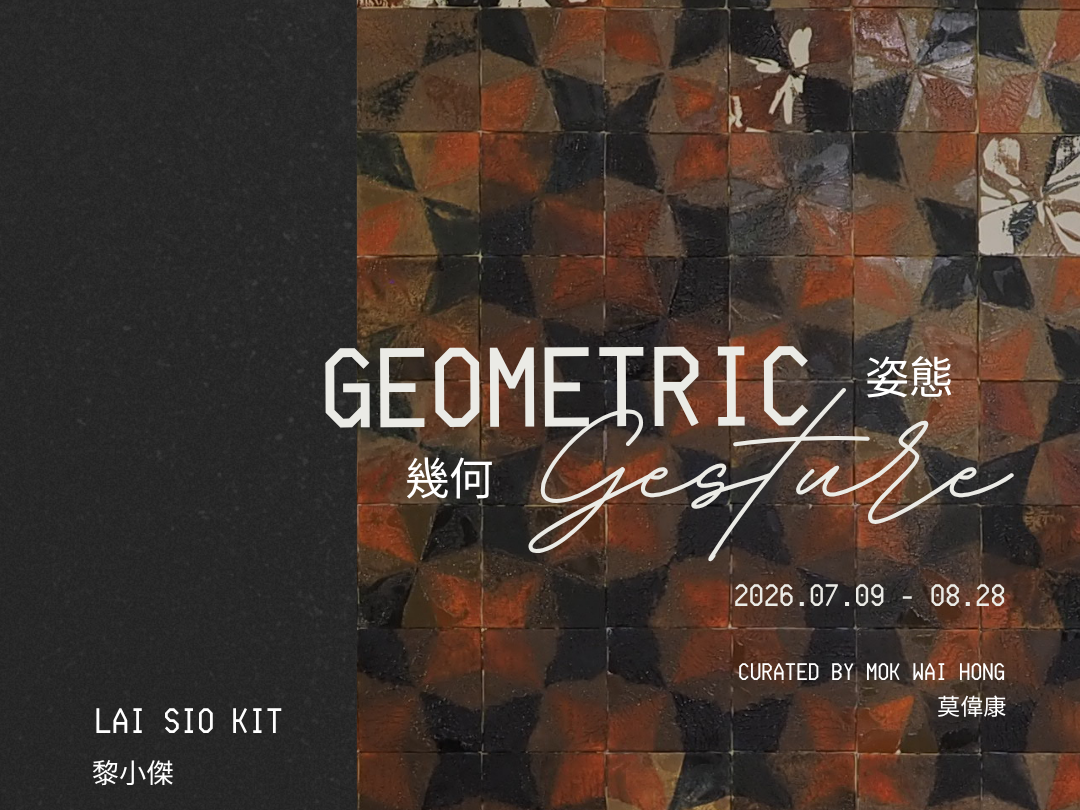
SHEUNG WAN
Lai Sio Kit: Geometric Gesture
9 Jul – 28 Aug, 2026
Leo Gallery
 (1).jpg)
SOUTHERN
NATURE, ABSTRACTED
4 Jul – 29 Aug, 2026
Ben Brown Fine Arts

CENTRAL
Lao Tongli: The Living Field
2 Jul – 29 Aug, 2026
INKstudio
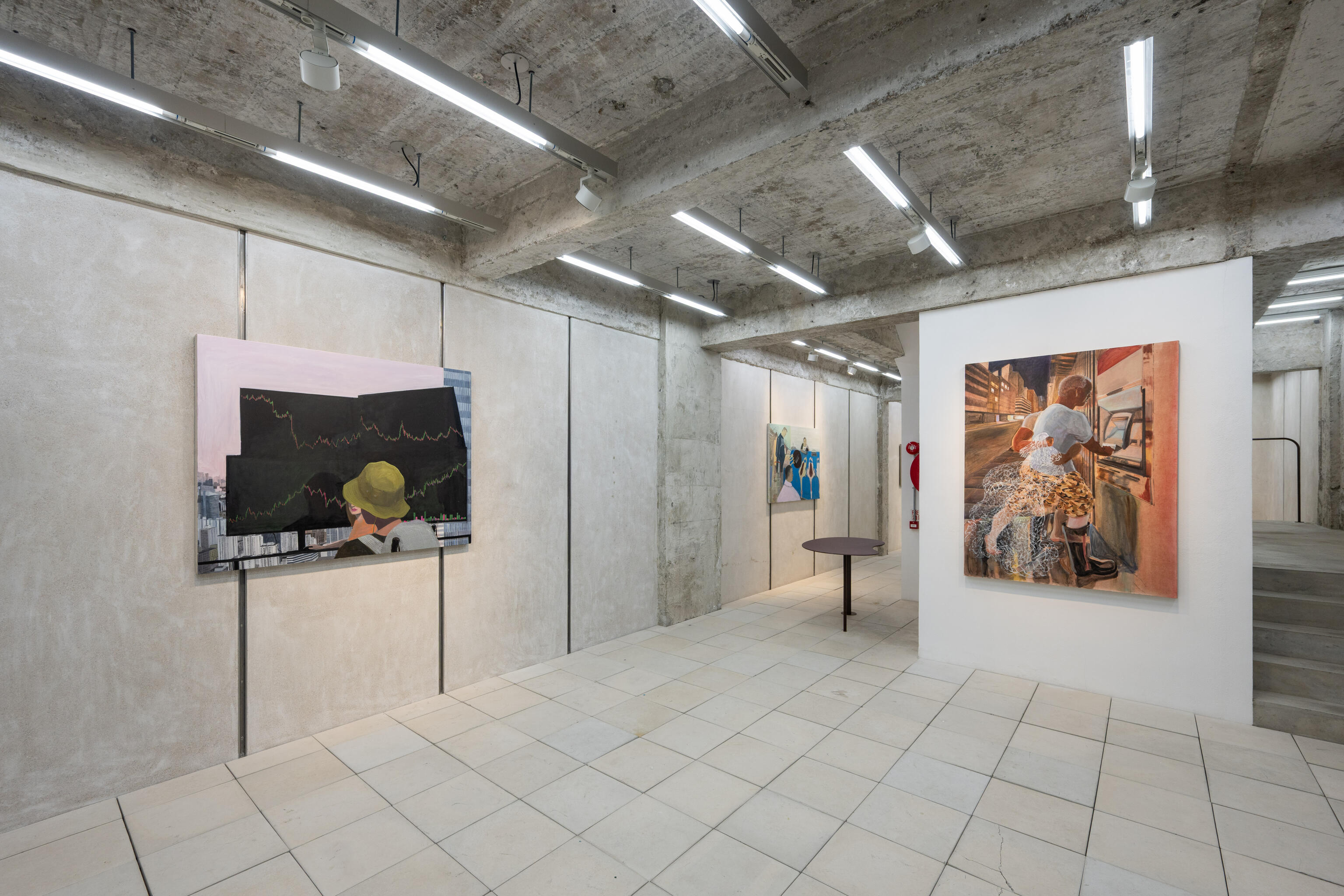
WAN CHAI
Dwelling in Mirrors
26 Jun – 22 Aug, 2026
Kiang Malingue

CENTRAL
Nicole Wittenberg: Why the Butterflies
26 Jun – 7 Oct, 2026
MASSIMODECARLO
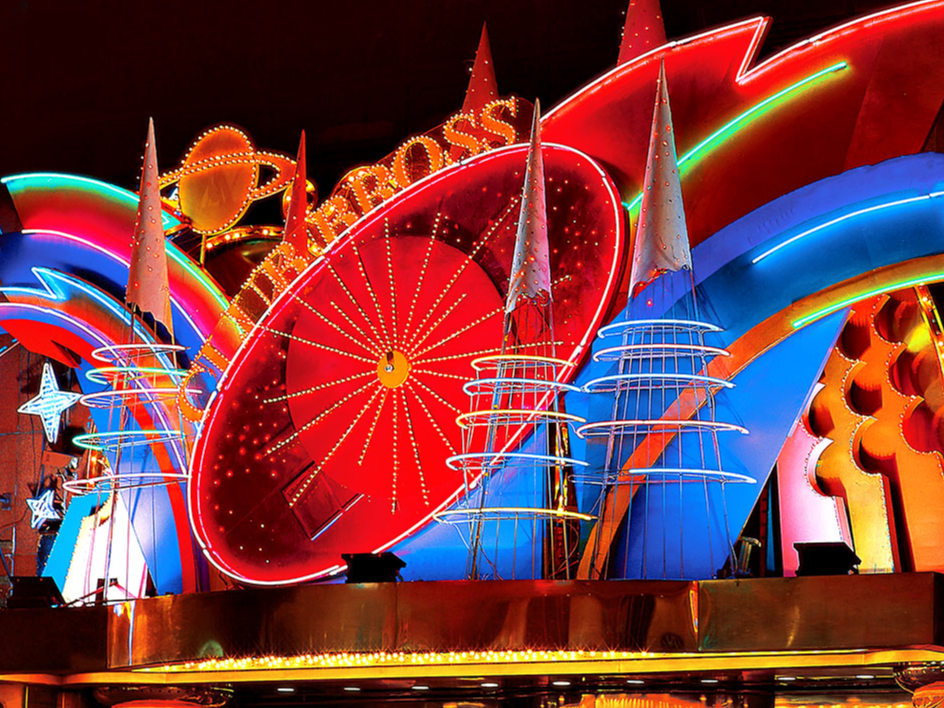
SHEUNG WAN
City of Lights | Keith Macgregor
18 Jun – 4 Oct, 2026
Blue Lotus Gallery
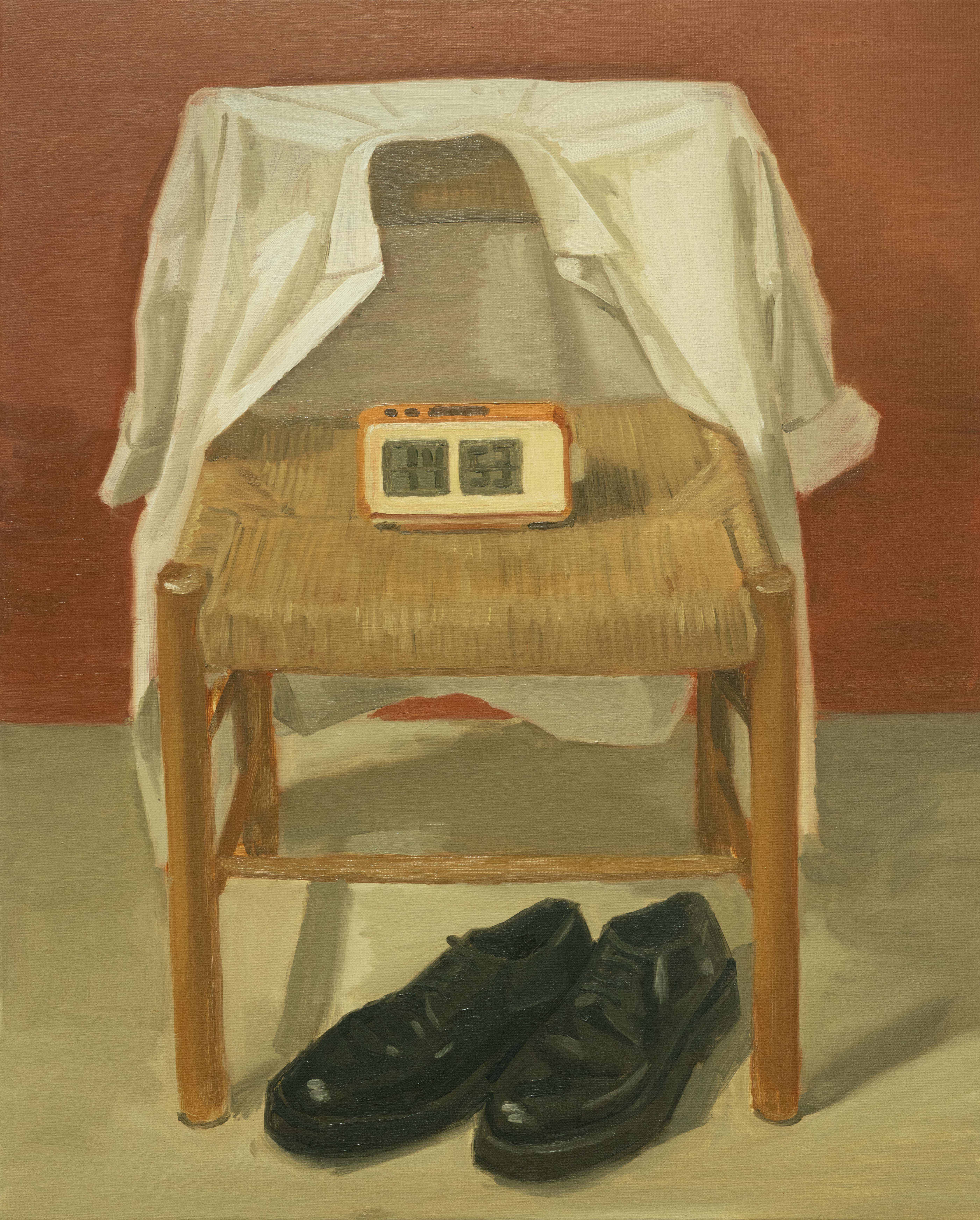
SOUTHERN
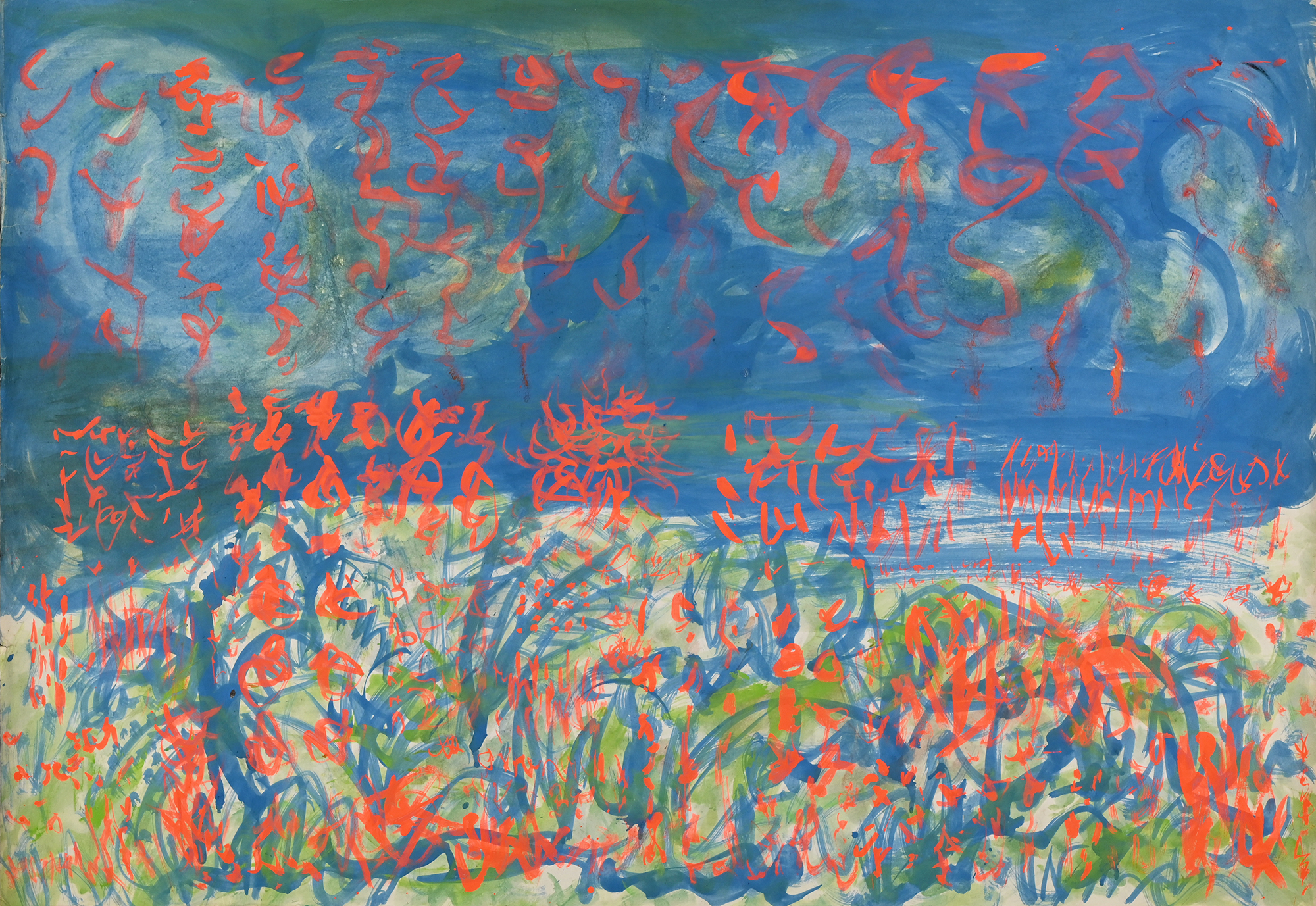
BETWEEN
6 Jun – 29 Aug, 2026
WKM Gallery
CENTRAL
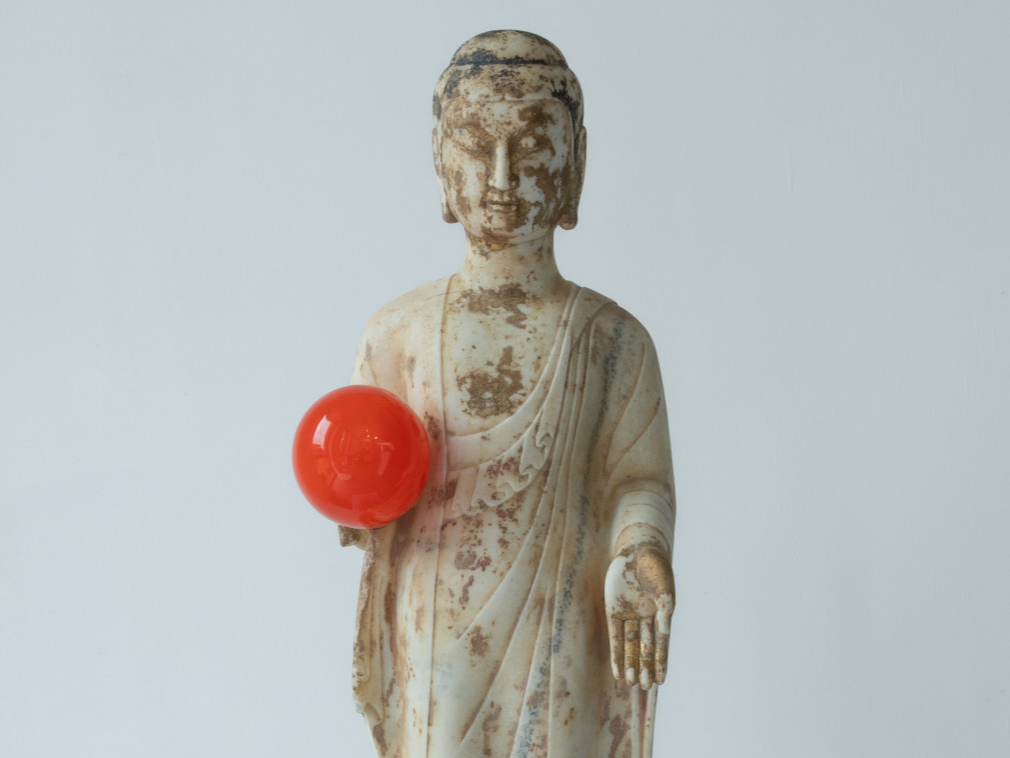
Tang Chang: Into the Heart-Mind
4 Jun – 29 Aug, 2026
gdm (Galerie du Monde)
SOUTHERN
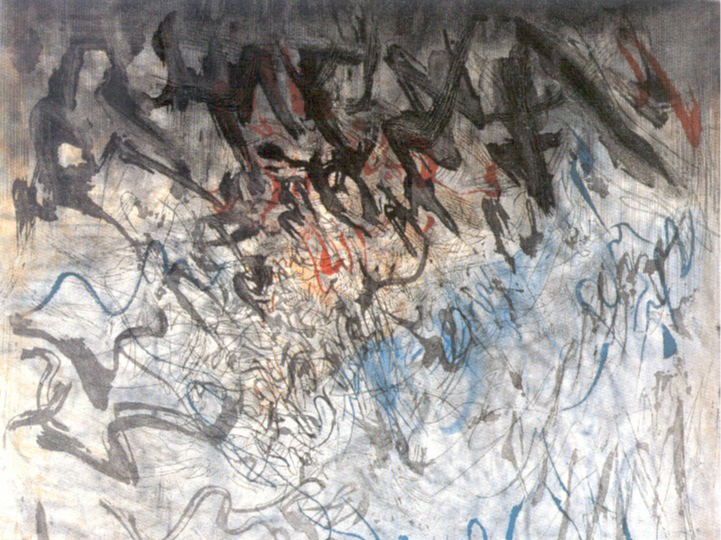
New Voices in Paris Now: Between Memory and Matter
29 May – 29 Aug, 2026
Alisan Atelier
CENTRAL
The Chinese Avant-Garde in Paris: Chu Teh-chun, T'ang Haywen, Walasse Ting, Zao Wou-ki
22 May – 15 Aug, 2026
Alisan Fine Arts
SOUTHERN
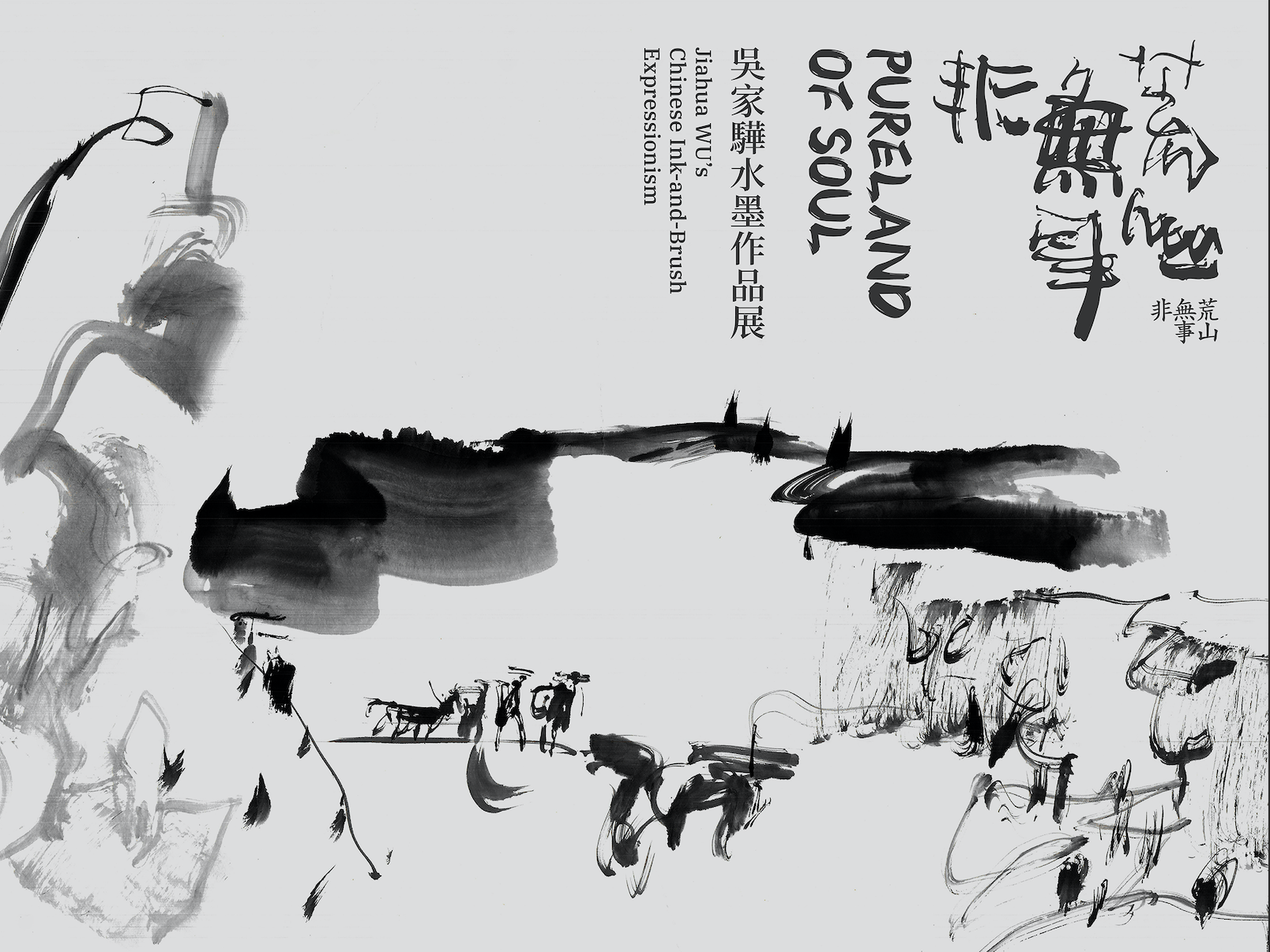
PURELAND OF SOUL: Jiahua WU’s Chinese Ink-and-Brush Expressionism
24 Apr – 4 Sep, 2026
Y Gallery

SOUTHERN
Reimagine the Familiar - A pop-up exhibition
26 Mar – 29 Aug, 2026
Alisan Atelier
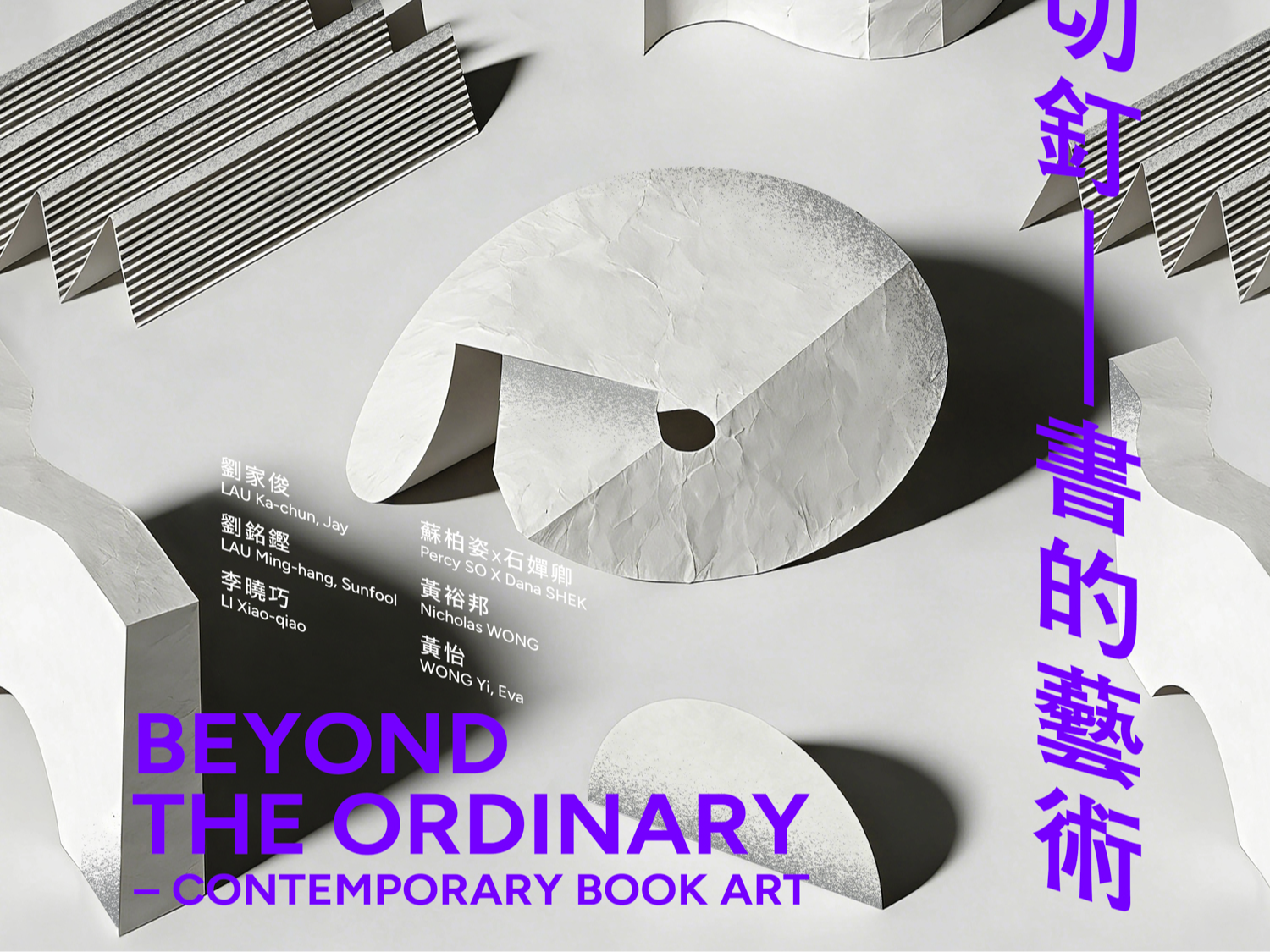
CENTRAL
Beyond the Ordinary – Contemporary Book Art
21 Mar – 30 Sep, 2026
Print Art Contemporary
OPENING SOON
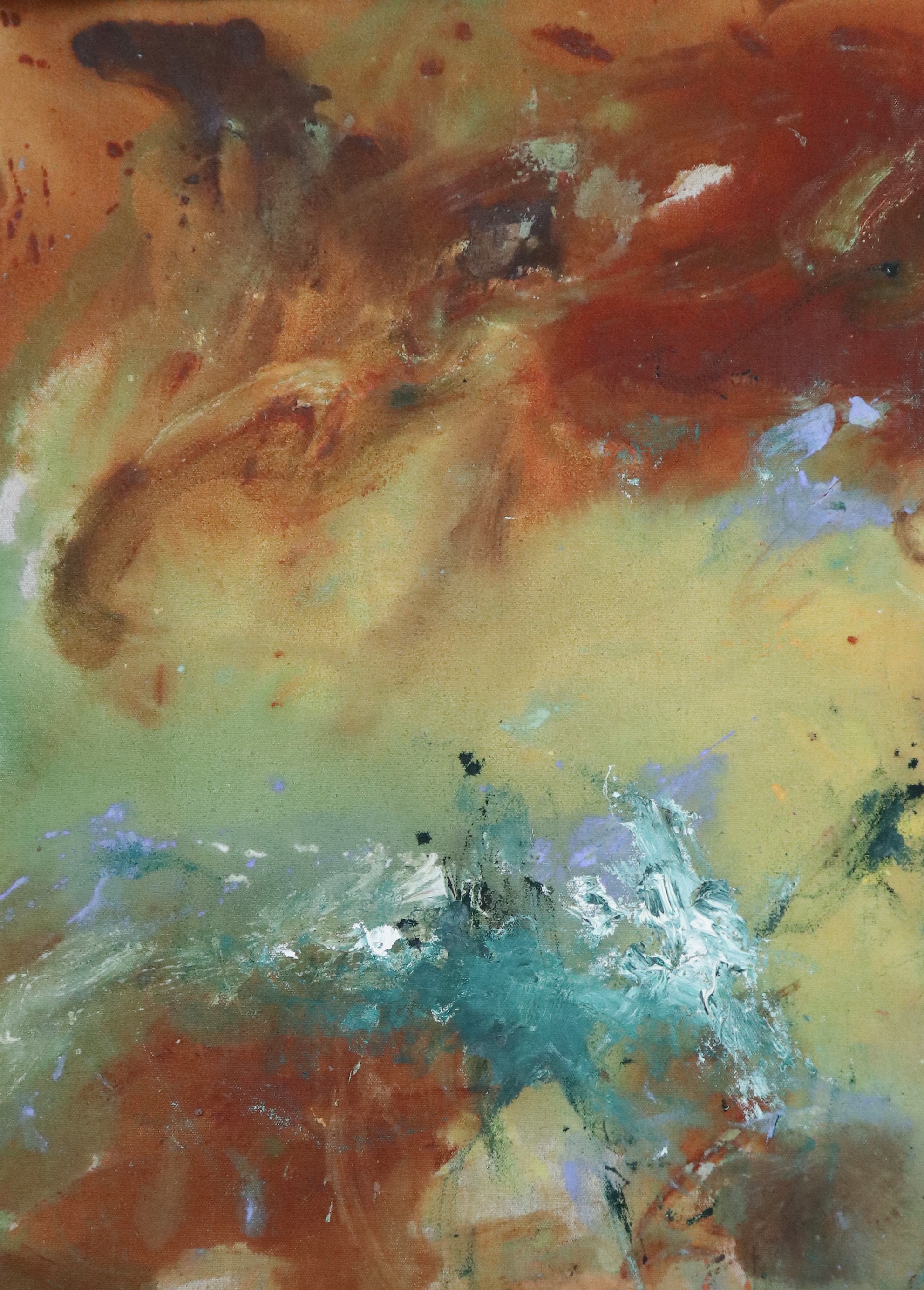
SHEUNG WAN
Letter to Myself
20 Aug – 3 Oct, 2026
Soluna Fine Art
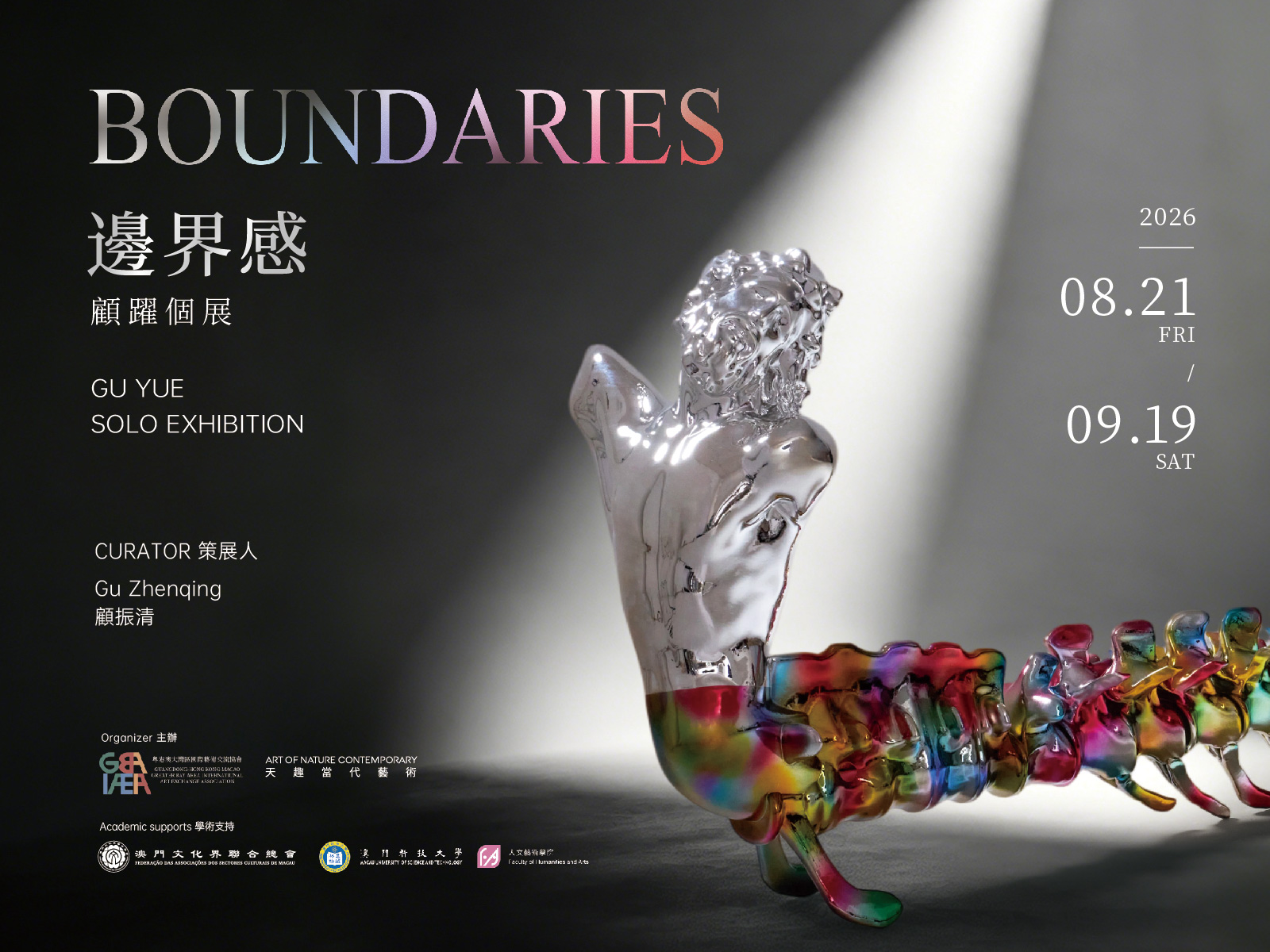
CENTRAL
Gu Yue: Boundaries
21 Aug – 19 Sep, 2026
Art of Nature Contemporary (Central)
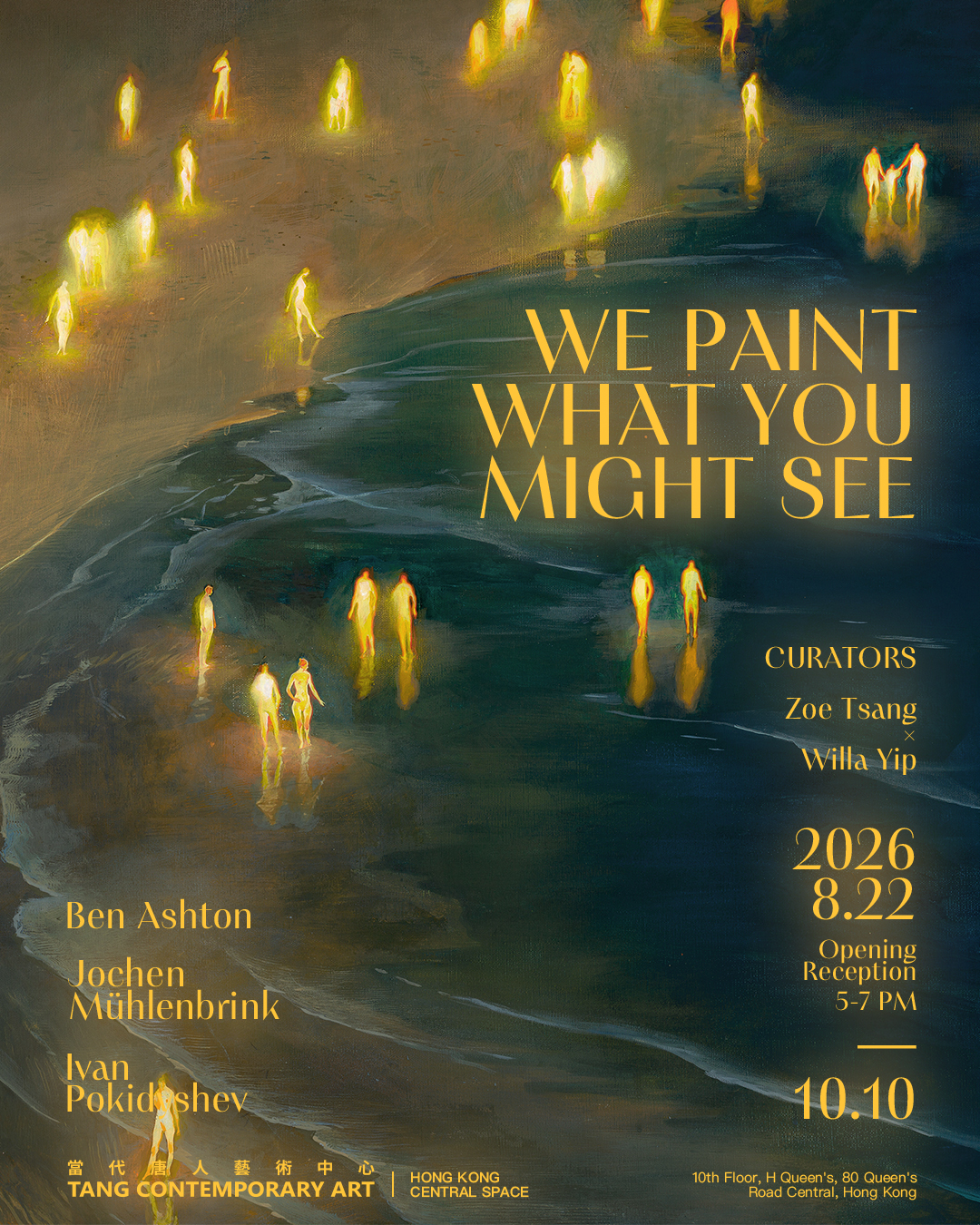
CENTRAL
We Paint What You Might See
22 Aug – 10 Oct, 2026
Tang Contemporary Art (Central)
CENTRAL
Tradition Renewed: Contemporary Literati Masters in China - Chen Jialing, Jiang Baolin, Lu Fusheng, Peng Xiancheng
25 Aug – 14 Nov, 2026
Alisan Fine Arts
CENTRAL
The Pleasure-Dome of Hills: A Curated Hallucination of a Modern Literati
27 Aug – 3 Oct, 2026
Ora-Ora
SOUTHERN
Revisiting the Jade Terrace: Exploring the Role of Female Ink Artists in Contemporary China
5 Sep – 28 Nov, 2026
Alisan Atelier
CENTRAL
Stanley Whitney: Isn’t Love the Strangest Thing
10 Sep – 7 Nov, 2026
Gagosian
Zoran Music
24 May – 23 Aug, 2025
Axel Vervoordt Gallery
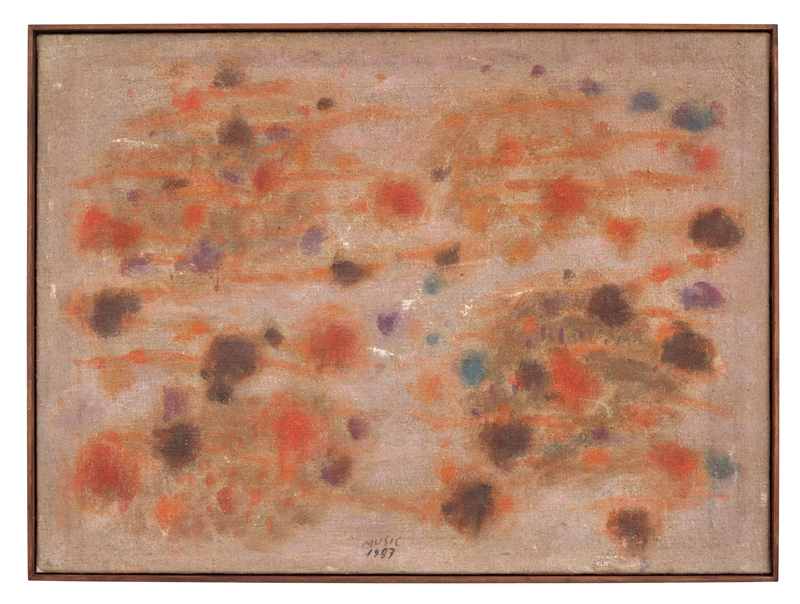
Estate in Istria, 1957, oil on canvas, 54 x 73 cm
Axel Vervoordt Gallery Hong Kong is pleased to present a debut exhibition by Zoran Music (1909-2005). The exhibition features paintings from the 1960s-1980s, offering an anthology of several series the artist worked on repeatedly. The exhibition coincides with the Music’s large retrospective at Palazzo Attems-Petzenstein, in the artist’s hometown of Gorizia, on occasion of the 20th anniversary of his death.
Zoran Music may be considered one of the most significant painters of his generation. He had a long and impressive career with many exhibitions in international museums throughout Europe. Music was born near Gorizia in the Austro-Hungarian Empire, now Slovenia. His work reflects harsh personal realities experienced during his captivation in the Dachau Concentration Camp during World War II. His series, “We Are Not the Last” depicts the harrowing scenes he witnessed during his stay in Dachau. His art conveys themes of suffering and pain but always holds a positive note of survival and hope. Forged in the crucible of personal trauma and historical catastrophe, there is perseverance and renaissance, even after death. Music did not turn away from that horror—instead, he transformed it into art, offering a testament to endurance and the quiet resilience of the human spirit.
“The concentration camp was my great school of solitude. It taught me not to be afraid, to be alone, even in the midst of a thousand people. […] After Dachau something broke in me. Before, I had many certainties: suddenly I lost them, and I realised that there is only emptiness around us. I am not a hero. I was only a young painter, and for me the world still shone with magnificent colours. In Dachau, I grasped reality, and I understood what it means to get down to the essentials.”1
Music’s oeuvre represents a timeless exploration of recurring themes: landscapes, nude figures, vegetal motifs, cathedrals, and self-portraits. He turned to stillness and meditation and translated this into drawing and painting. His deeply poetic art features a suggestive and sparing use of colour, and a style that incorporates elements of abstraction.
Entering the exhibition, visitors encounter a lonely figure in “Facciata a Venezia” from 1984, in which he’s standing in front of a window in the center of a bright yellow façade of Venice. Typical for Music is the small melancholic figure—likely a self-portrait—vaguely, but recognisably, painted in muted colours in contrast to the vivid colour of the façade, lit by the sunlight.
The exhibition’s first room focusses on Music’s landscapes from the late 1950s and early 1960s, which he painted obsessively in this period. After the war, he often returned to the landscapes of his youth: the rural environment of the Dalmatian coast and the Karst Mountains, a harsh Mediterranean land, stretching out over rocks and hills, formed from the dissolution of soluble rocks. “Ombre sul Carso” (Shadows on the Karst, 1960) or “Estate in Istria” (Summer in Istria, 1957) are examples of ecstatically stunned landscapes, with prominent dark shadow lines and colourful dots that stand out from the fairy background. “Motif italien” (Italian motif, 1963) presents a vivid colour scheme including Umbrian earth, mauves, ochres, blues, greens, and pinks, comparable to Gustav Klimt’s pallette. The extremely delicate brushstrokes bear an unusually light, rhythmic quality. One could think they’re abstract works, but they’re essentially poetic impressions of Byzantine,Dalmatian, and Italian geographies They were described as visions of another world that engage with Music’s ever-recurring themes of isolation, spirituality, and silence.
The second room presents works from the 1970s. In this period, Music focussed on vegetal and natural motifs like trees and plants. These works were created shortly after his much-acclaimed series, “We Are Not the Last” where he transformed the horrors of his personal experiences in Dachau into documents of universal tragedy. Here the tangle of branches and roots are reminiscent of the dramatic intertwining of bodies, but with a new vitality. Goyko Zupan, a distinguished Slovenian art historian and curator, wrote about this series as “the most vital cycle” in Music’s oeuvre.2 “They were inspired by forests of scorched cork oaks in the department of Var, France, and the evolution of extremities as well as the intertwined fingers of the dead. The tangled webs of branches, roots, and trunks spread over the entire surface of canvases. When Sezession memories of Schiele and Klimt flashed through his mind in the fifties, he came up with a similar idea; it was repeated now, via a less usual bypass, in his golden-green landscapes with trees.” At first, the trees and the roots look silent, austere, and restrained but getting closer, by noticing the variety of vivid colours, they become brighter and full of life, like witnesses of a new world.
The last room features paintings from the mid-1980s with views of his favourite city Venice. It was there that he found freedom again and where he spent a large part of his life. It was also the city where he met the love of his life: Ida Barbarigo. Like Barbarigo, Music loved to wander throughout the city and observe the change of light transforming the skyline and the architecture of the city. He often painted churches but also city views like Molino Stucky or the Giudecca. Some themes were painted over and over again. This obsession with shadow and light could lead to the comparison with the work of Claude Monet who painted the cathedral of Rouen repeatedly, each time capturing another impression of the moment. However, in contrast to Monet, Music wasn’t interested in the architectural facades, but in the interiors of the Venetian cathedrals, how the light pours through a window high in the accentuated arch and how it transformed the architecture into a sacred place. The dark, atmospheric settings of these religious spaces, devoid of human figures, evoke a sense of solitude and sacred contemplation. The interplay of light and dark, resonates with his broader artistic exploration of human suffering and resilience. In 1985, the Biennale of Venice dedicated a solo room to Music, highlighting these interiors of cathedrals.
Throughout the various themes, Zoran Music stayed faithful to his particular style of painting: he painted with a minimum of means. In an interview with Michael Peppiatt he said: “I know that the material can be very beautiful, but when there are heavy layers of paint, it is nothing more than materiality, without spirituality.”3
1 Zoran Music in conversation with Paolo Levi, in Zoran Music Dialogo con l’autoritratto, Electa Milan 1992, p.46.
2 Catalogue of the National Gallery of Slovenia, Ljubljana, 2016, pp.65-66.
3 M. Peppiatt in Zoran Music, exhibition catalogue Grand Palais, Paris, 4 April – 3 July 1995, p. 229.
Zoran Music may be considered one of the most significant painters of his generation. He had a long and impressive career with many exhibitions in international museums throughout Europe. Music was born near Gorizia in the Austro-Hungarian Empire, now Slovenia. His work reflects harsh personal realities experienced during his captivation in the Dachau Concentration Camp during World War II. His series, “We Are Not the Last” depicts the harrowing scenes he witnessed during his stay in Dachau. His art conveys themes of suffering and pain but always holds a positive note of survival and hope. Forged in the crucible of personal trauma and historical catastrophe, there is perseverance and renaissance, even after death. Music did not turn away from that horror—instead, he transformed it into art, offering a testament to endurance and the quiet resilience of the human spirit.
“The concentration camp was my great school of solitude. It taught me not to be afraid, to be alone, even in the midst of a thousand people. […] After Dachau something broke in me. Before, I had many certainties: suddenly I lost them, and I realised that there is only emptiness around us. I am not a hero. I was only a young painter, and for me the world still shone with magnificent colours. In Dachau, I grasped reality, and I understood what it means to get down to the essentials.”1
Music’s oeuvre represents a timeless exploration of recurring themes: landscapes, nude figures, vegetal motifs, cathedrals, and self-portraits. He turned to stillness and meditation and translated this into drawing and painting. His deeply poetic art features a suggestive and sparing use of colour, and a style that incorporates elements of abstraction.
Entering the exhibition, visitors encounter a lonely figure in “Facciata a Venezia” from 1984, in which he’s standing in front of a window in the center of a bright yellow façade of Venice. Typical for Music is the small melancholic figure—likely a self-portrait—vaguely, but recognisably, painted in muted colours in contrast to the vivid colour of the façade, lit by the sunlight.
The exhibition’s first room focusses on Music’s landscapes from the late 1950s and early 1960s, which he painted obsessively in this period. After the war, he often returned to the landscapes of his youth: the rural environment of the Dalmatian coast and the Karst Mountains, a harsh Mediterranean land, stretching out over rocks and hills, formed from the dissolution of soluble rocks. “Ombre sul Carso” (Shadows on the Karst, 1960) or “Estate in Istria” (Summer in Istria, 1957) are examples of ecstatically stunned landscapes, with prominent dark shadow lines and colourful dots that stand out from the fairy background. “Motif italien” (Italian motif, 1963) presents a vivid colour scheme including Umbrian earth, mauves, ochres, blues, greens, and pinks, comparable to Gustav Klimt’s pallette. The extremely delicate brushstrokes bear an unusually light, rhythmic quality. One could think they’re abstract works, but they’re essentially poetic impressions of Byzantine,Dalmatian, and Italian geographies They were described as visions of another world that engage with Music’s ever-recurring themes of isolation, spirituality, and silence.
The second room presents works from the 1970s. In this period, Music focussed on vegetal and natural motifs like trees and plants. These works were created shortly after his much-acclaimed series, “We Are Not the Last” where he transformed the horrors of his personal experiences in Dachau into documents of universal tragedy. Here the tangle of branches and roots are reminiscent of the dramatic intertwining of bodies, but with a new vitality. Goyko Zupan, a distinguished Slovenian art historian and curator, wrote about this series as “the most vital cycle” in Music’s oeuvre.2 “They were inspired by forests of scorched cork oaks in the department of Var, France, and the evolution of extremities as well as the intertwined fingers of the dead. The tangled webs of branches, roots, and trunks spread over the entire surface of canvases. When Sezession memories of Schiele and Klimt flashed through his mind in the fifties, he came up with a similar idea; it was repeated now, via a less usual bypass, in his golden-green landscapes with trees.” At first, the trees and the roots look silent, austere, and restrained but getting closer, by noticing the variety of vivid colours, they become brighter and full of life, like witnesses of a new world.
The last room features paintings from the mid-1980s with views of his favourite city Venice. It was there that he found freedom again and where he spent a large part of his life. It was also the city where he met the love of his life: Ida Barbarigo. Like Barbarigo, Music loved to wander throughout the city and observe the change of light transforming the skyline and the architecture of the city. He often painted churches but also city views like Molino Stucky or the Giudecca. Some themes were painted over and over again. This obsession with shadow and light could lead to the comparison with the work of Claude Monet who painted the cathedral of Rouen repeatedly, each time capturing another impression of the moment. However, in contrast to Monet, Music wasn’t interested in the architectural facades, but in the interiors of the Venetian cathedrals, how the light pours through a window high in the accentuated arch and how it transformed the architecture into a sacred place. The dark, atmospheric settings of these religious spaces, devoid of human figures, evoke a sense of solitude and sacred contemplation. The interplay of light and dark, resonates with his broader artistic exploration of human suffering and resilience. In 1985, the Biennale of Venice dedicated a solo room to Music, highlighting these interiors of cathedrals.
Throughout the various themes, Zoran Music stayed faithful to his particular style of painting: he painted with a minimum of means. In an interview with Michael Peppiatt he said: “I know that the material can be very beautiful, but when there are heavy layers of paint, it is nothing more than materiality, without spirituality.”3
1 Zoran Music in conversation with Paolo Levi, in Zoran Music Dialogo con l’autoritratto, Electa Milan 1992, p.46.
2 Catalogue of the National Gallery of Slovenia, Ljubljana, 2016, pp.65-66.
3 M. Peppiatt in Zoran Music, exhibition catalogue Grand Palais, Paris, 4 April – 3 July 1995, p. 229.
Axel Vervoordt Gallery
Address: 21/F, Coda Designer Centre, 62 Wong Chuk Hang Road, Wong Chuk Hang
Opening Hours: Tue–Sat 11am–8pm
Phone: +852 2503 2220
Website: axel-vervoordt.com