

CURRENTLY SHOWING
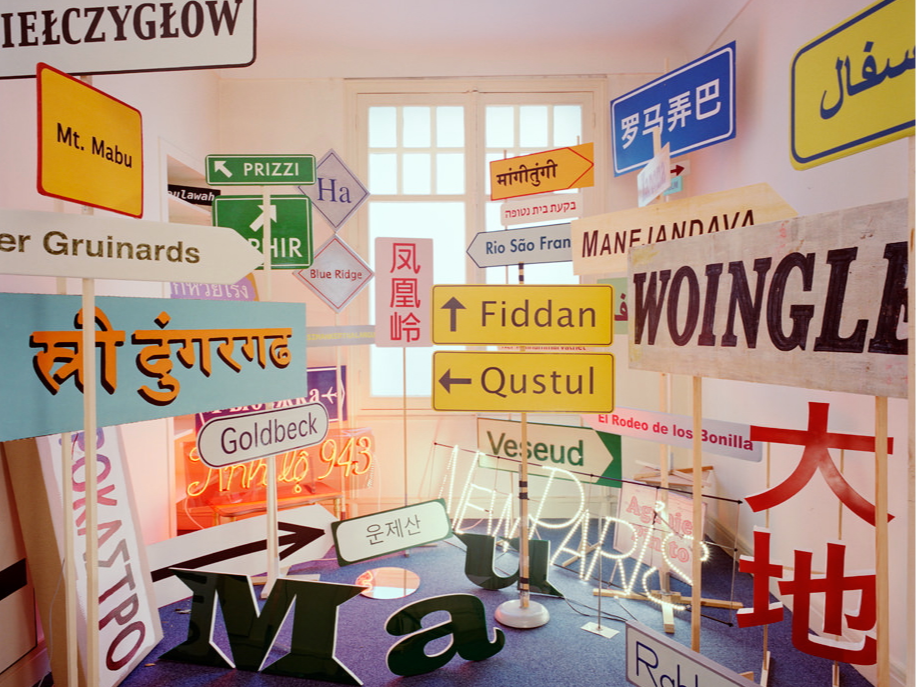
SOUTHERN
Synesthesia - Aki Lumi x Yuki Onodera
23 May – 25 Jul, 2026
wamono art
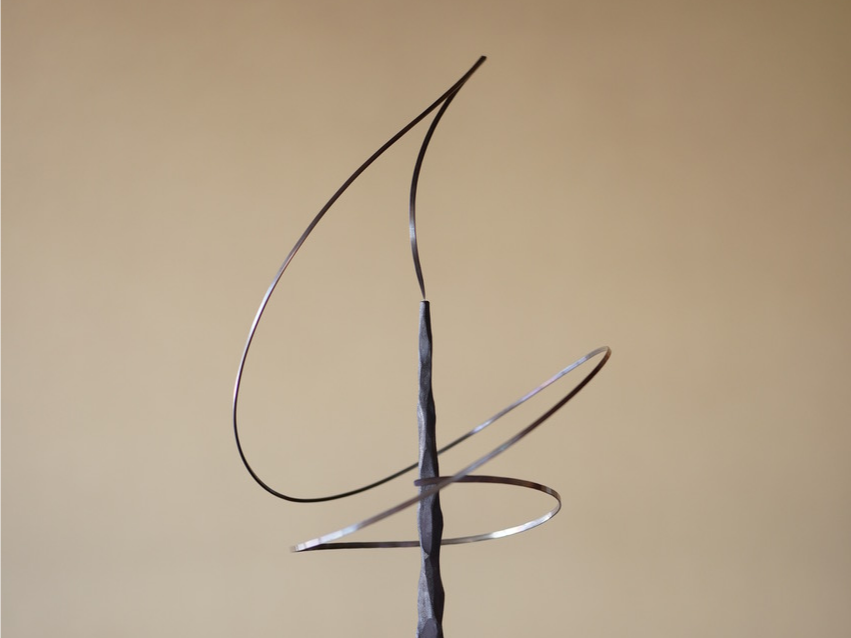
SOUTHERN
Resonance – Transforming the atmosphere and feeling of space
23 May – 25 Jul, 2026
wamono art
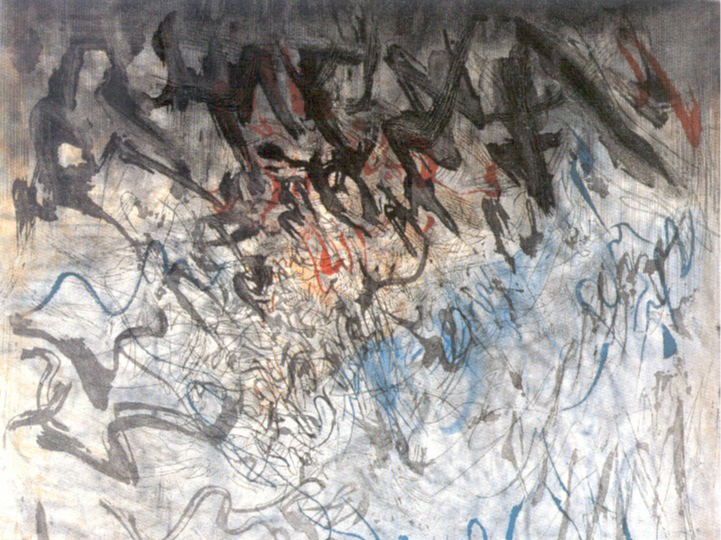
CENTRAL
The Chinese Avant-Garde in Paris: Chu Teh-chun, T'ang Haywen, Walasse Ting, Zao Wou-ki
22 May – 15 Aug, 2026
Alisan Fine Arts
.jpg)
SAI WAN (WESTERN)
Offscum: Offffffloor Edition
18 May – 6 Jun, 2026
HART HAUS
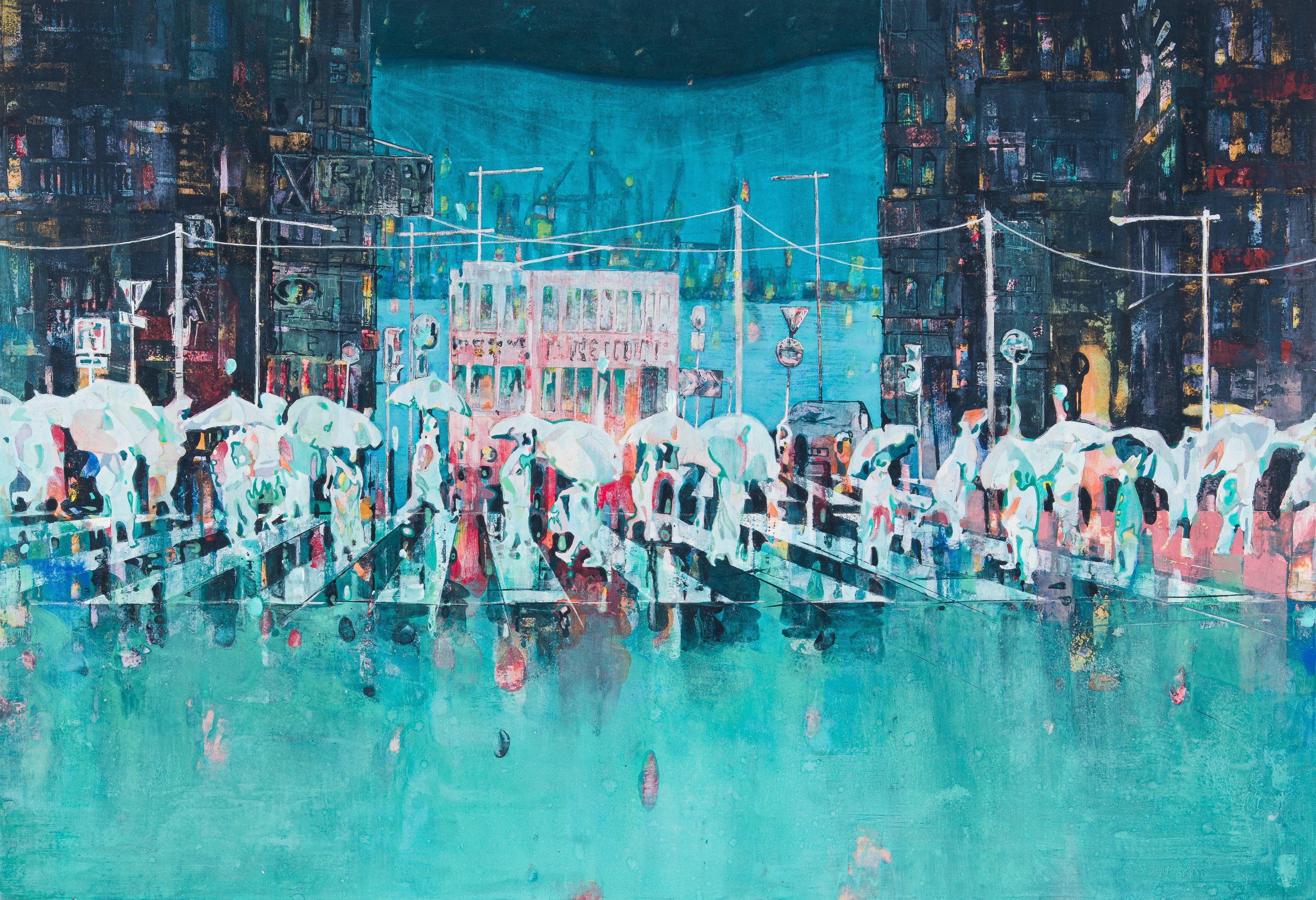
SOUTHERN
Intersection: Kisho Kakutani and Kosuke Harasawa
16 May – 4 Jul, 2026
Whitestone Gallery

SOUTHERN
Lin Zhipeng (No.223): Relationship Duplicates
16 May – 27 Jun, 2026
DE SARTHE
SOUTHERN
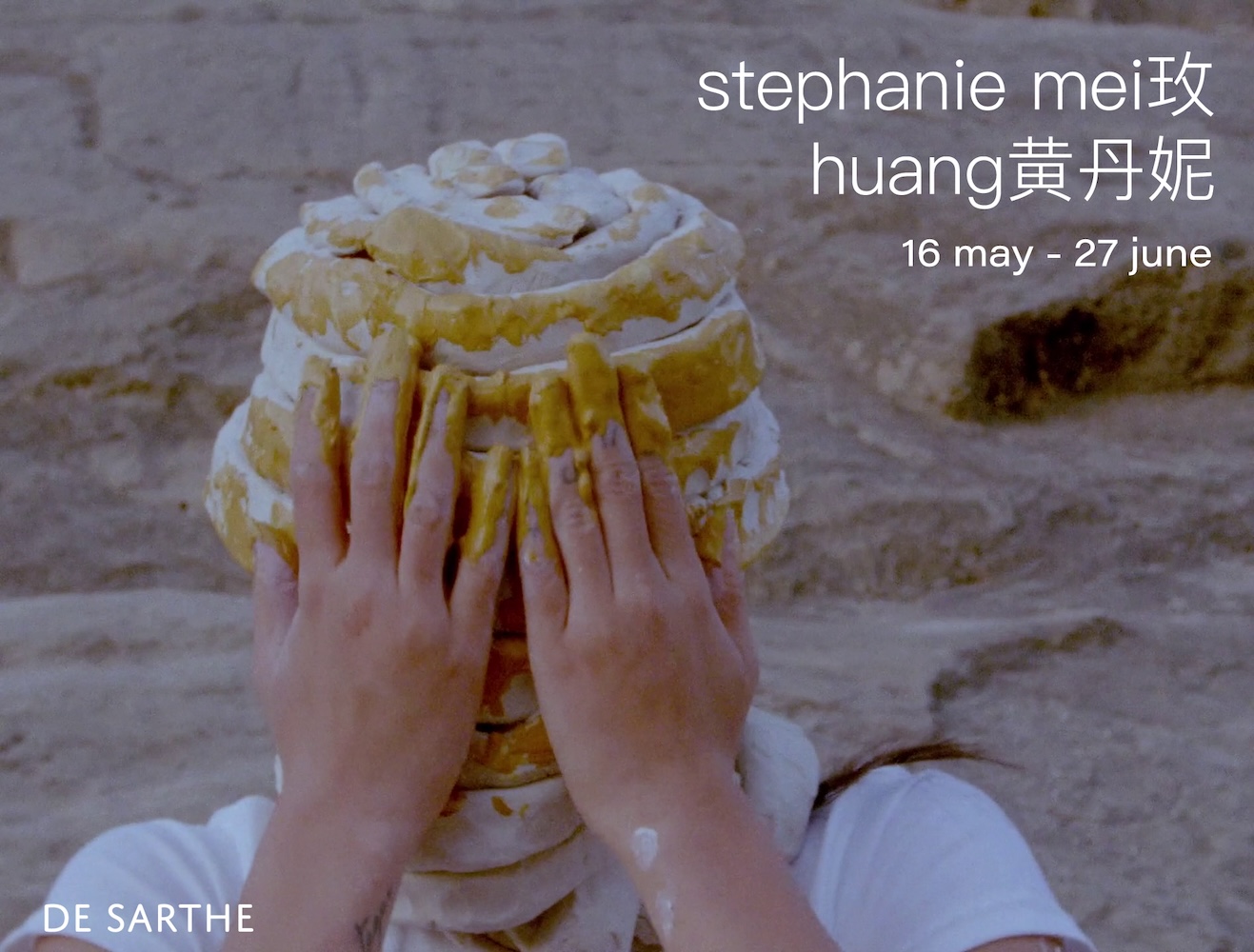
stephanie mei huang: yellow porcelain ii (outside the Los Angeles Police Academy)
16 May – 27 Jun, 2026
DE SARTHE
CENTRAL
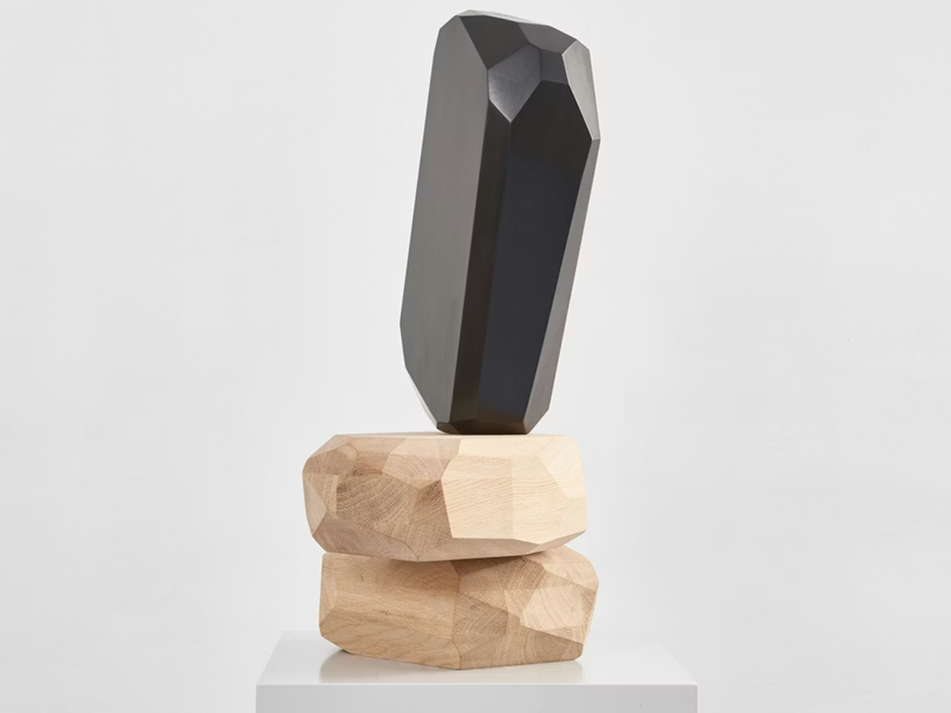
Come Closer
15 May – 5 Jul, 2026
Tang Contemporary Art (Central)
CENTRAL
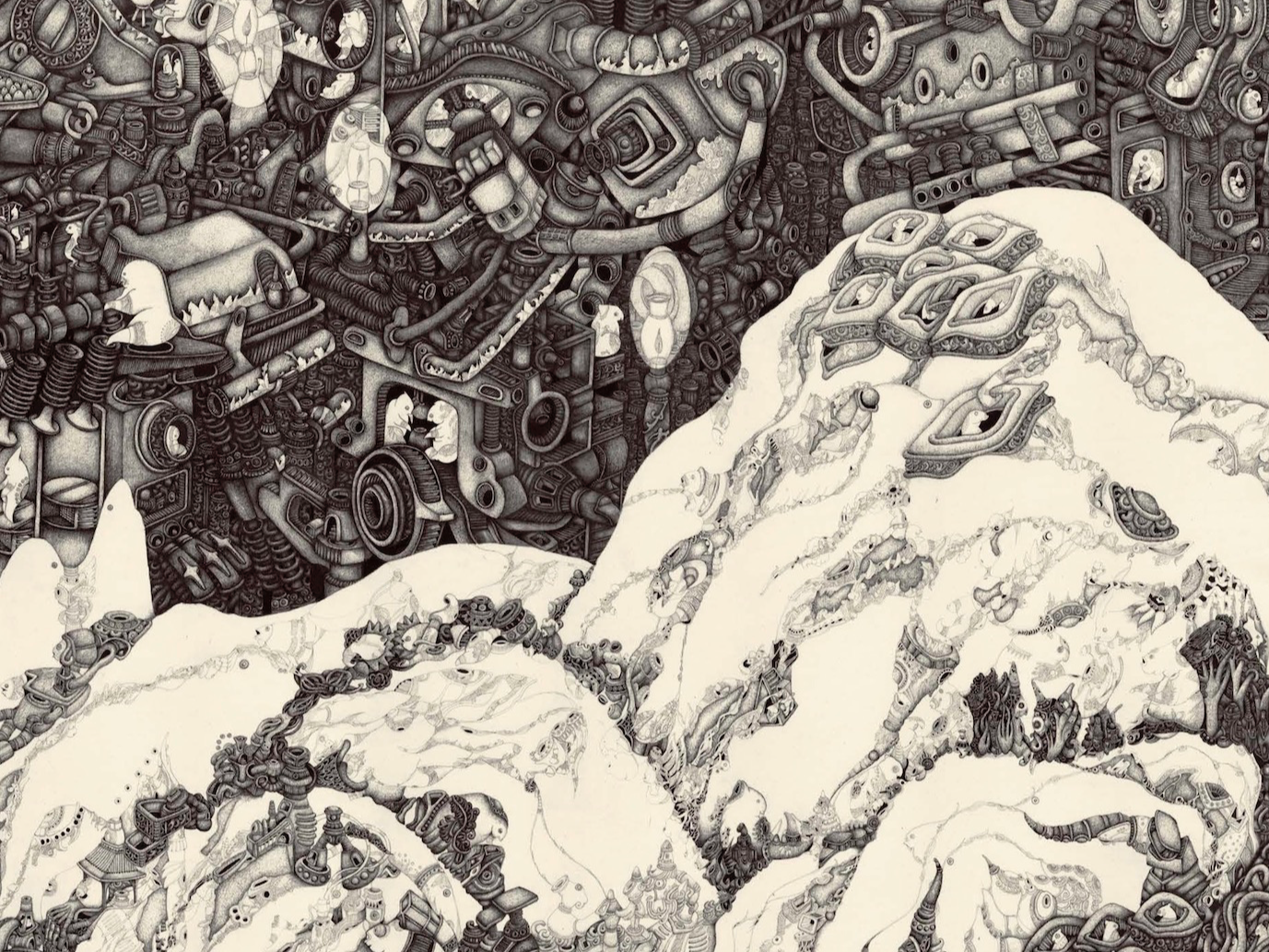
Li Qing: Mechanismic Sublime — Reconstructing Literati Ruins
15 May – 28 Jun, 2026
INKstudio
.jpg)
SAI WAN (WESTERN)
Michael Rikio Ming Hee Ho: and I love you dearly
9 May – 4 Jun, 2026
HART HAUS
, 2025, Acrylic on linen over panel, 100 x 70 cm.JPG)
SHEUNG WAN
Jon Poblador: San Gimignano
7 May – 20 Jun, 2026
Soluna Fine Art
SHEUNG WAN
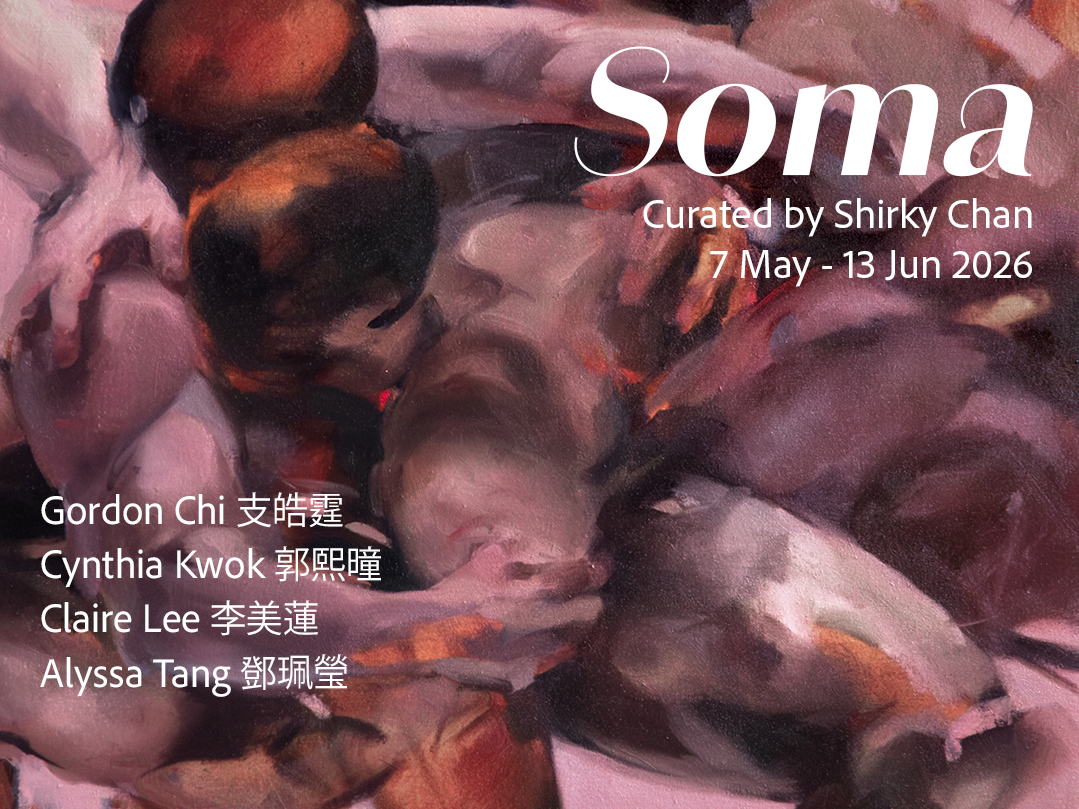
Soma
7 May – 13 Jun, 2026
Contemporary by Angela Li
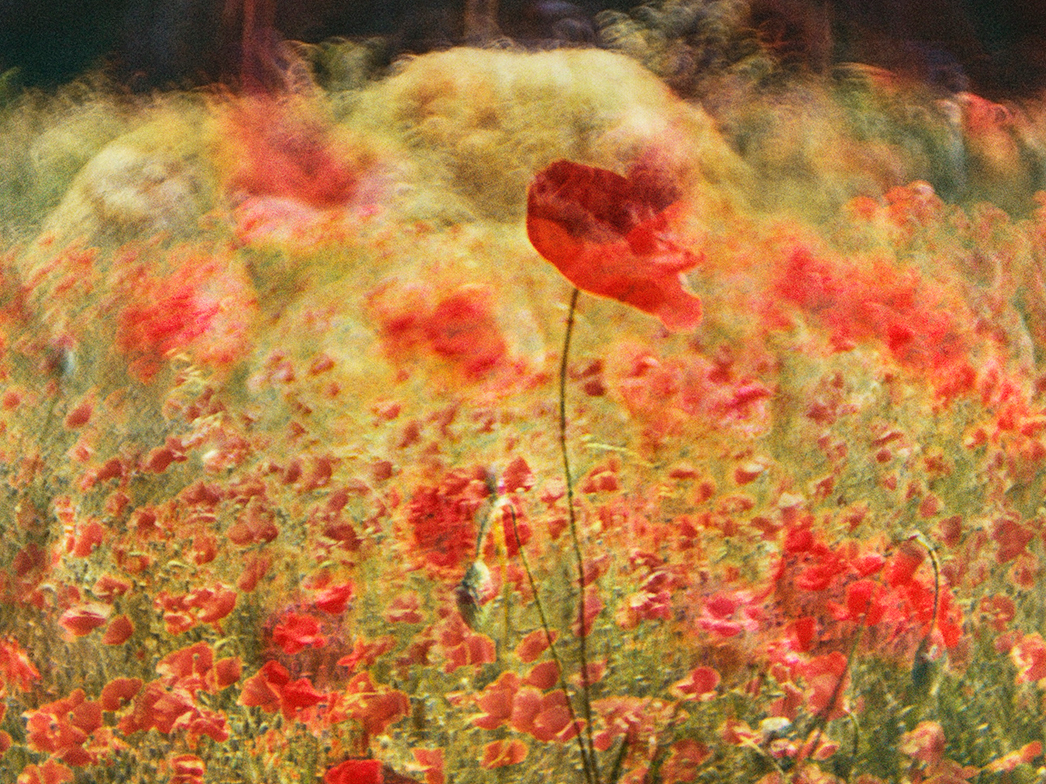
SOUTHERN
Keep only the Sunshine
24 Apr – 17 Jun, 2026
Boogie Woogie Photography
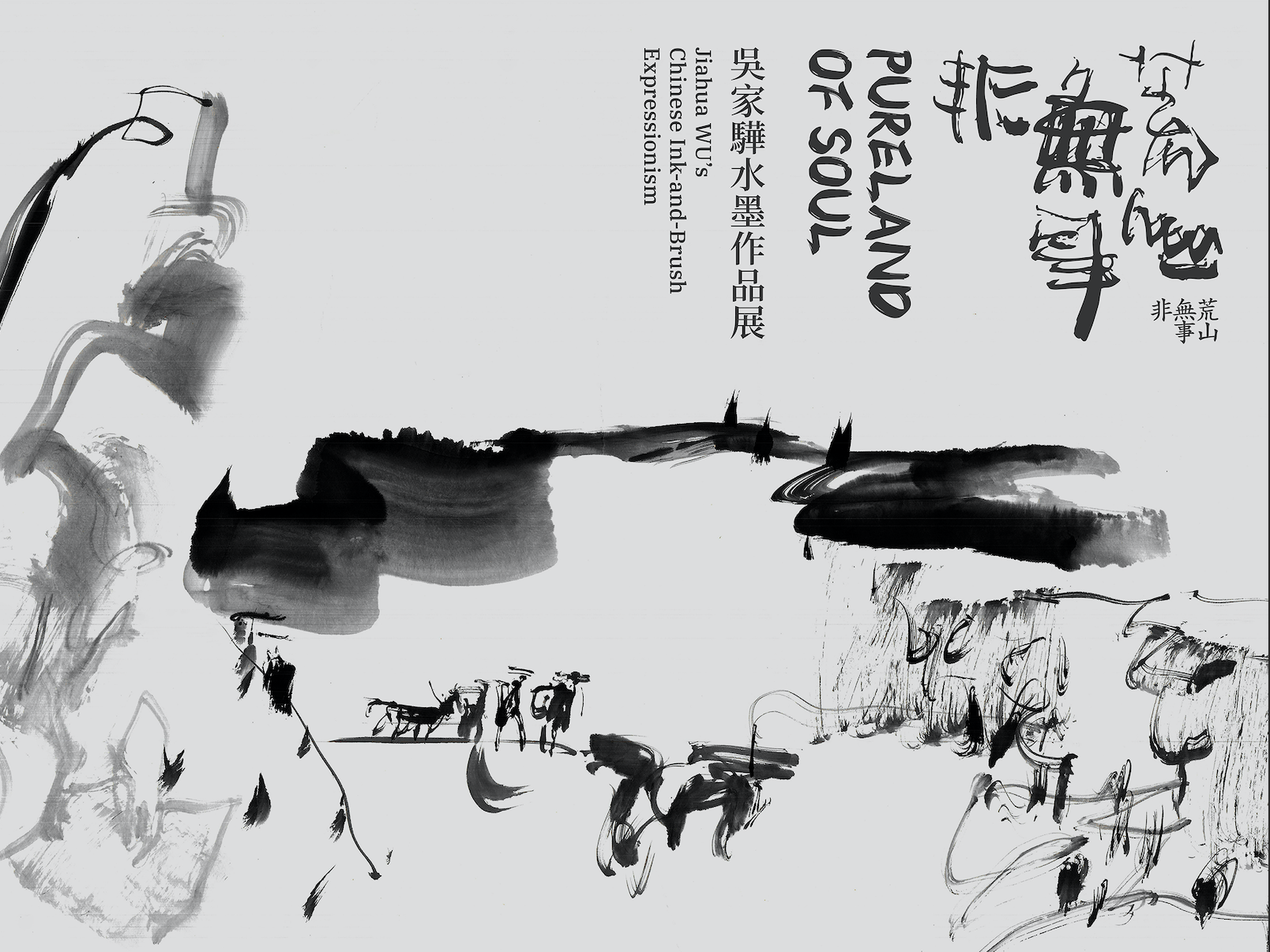
SOUTHERN
PURELAND OF SOUL: Jiahua WU’s Chinese Ink-and-Brush Expressionism
24 Apr – 4 Sep, 2026
Y Gallery
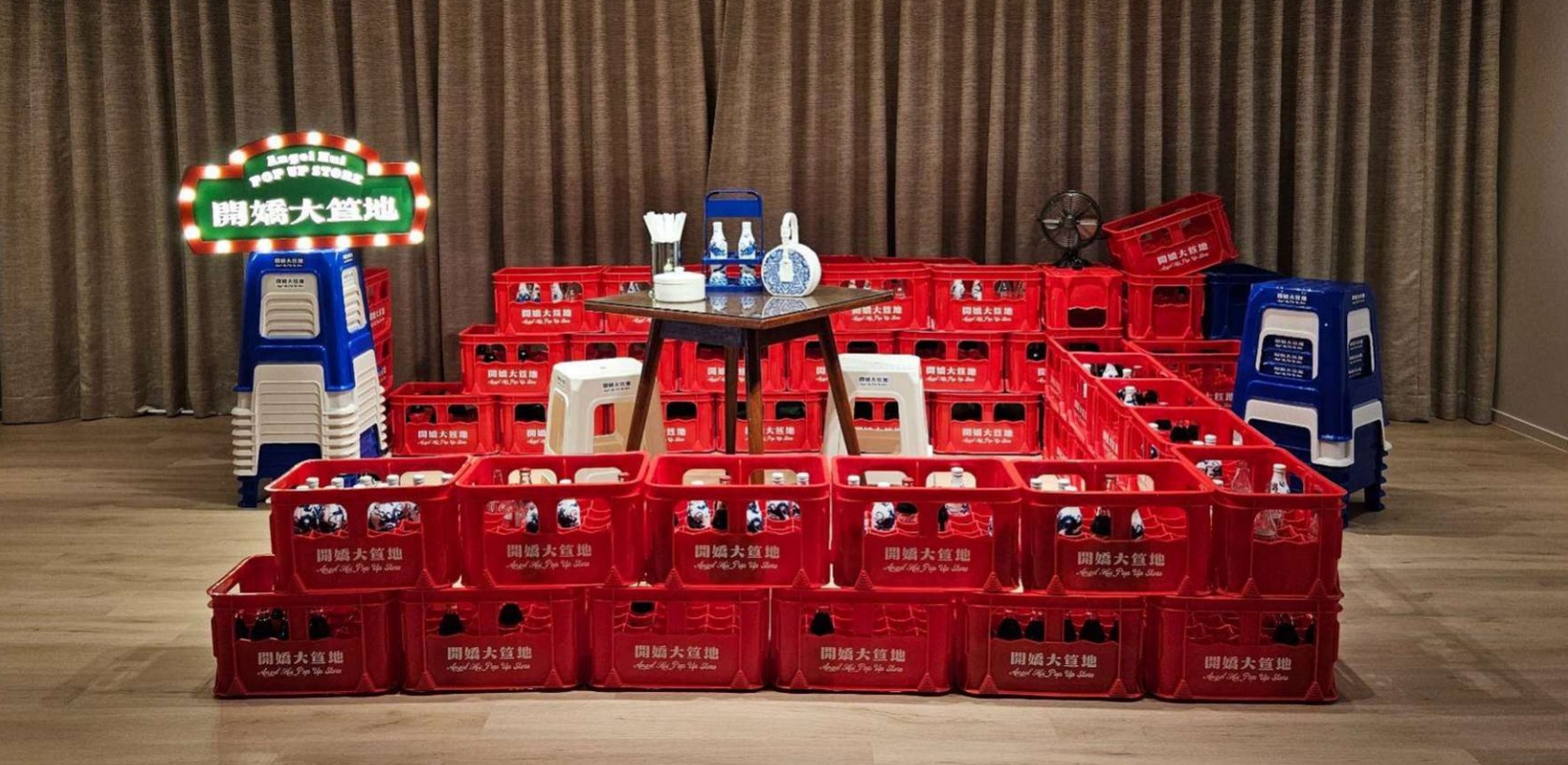
SOUTHERN
Reimagine the Familiar - A pop-up exhibition
26 Mar – 29 Aug, 2026
Alisan Atelier
 (1).jpg)
ADMIRALTY
Hung Hsien: Between Worlds
25 Mar – 21 Jun, 2026
Asia Society Hong Kong Center
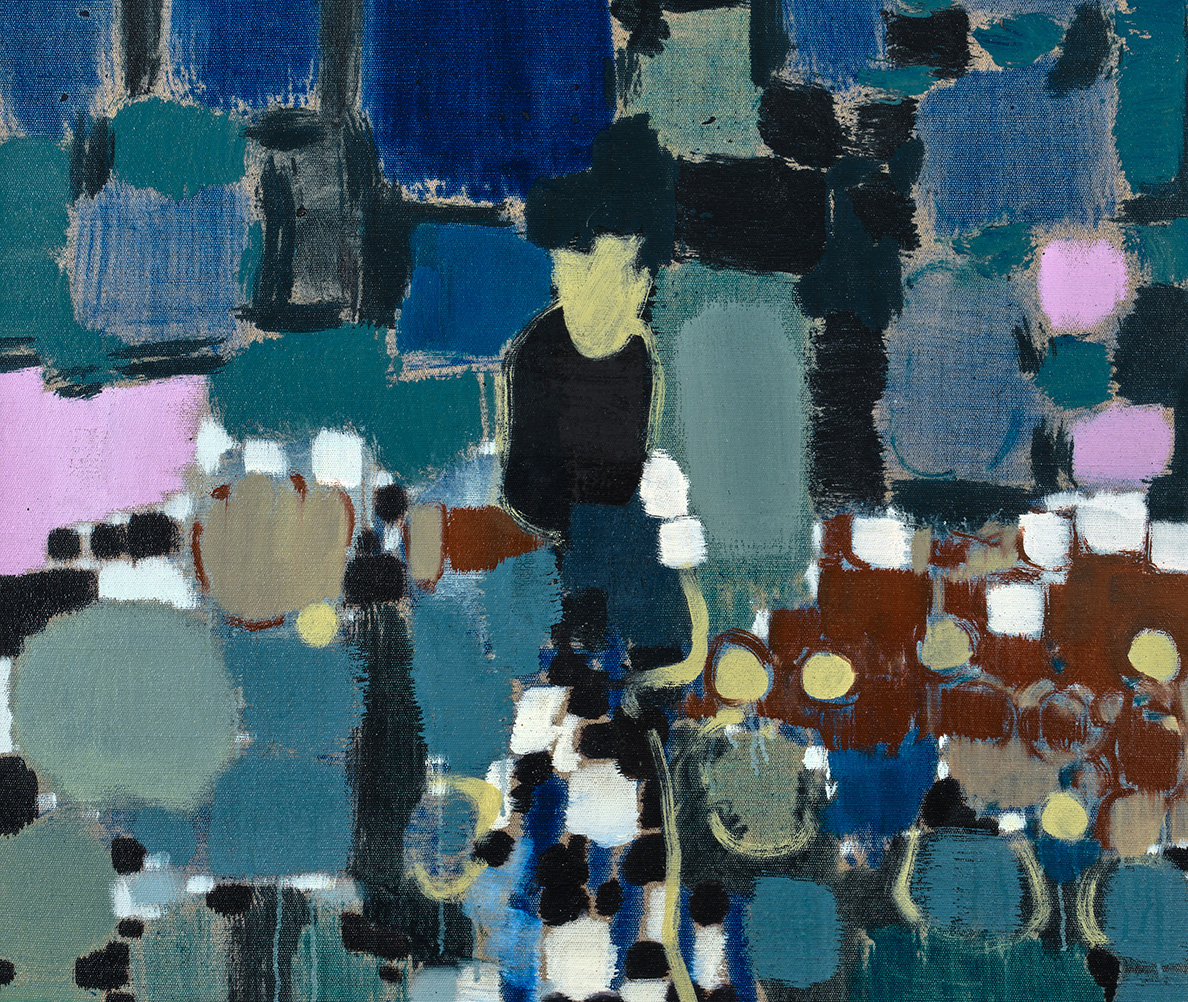
WAN CHAI
Seeking Traces
24 Mar – 23 May, 2026
Kiang Malingue
SOUTHERN
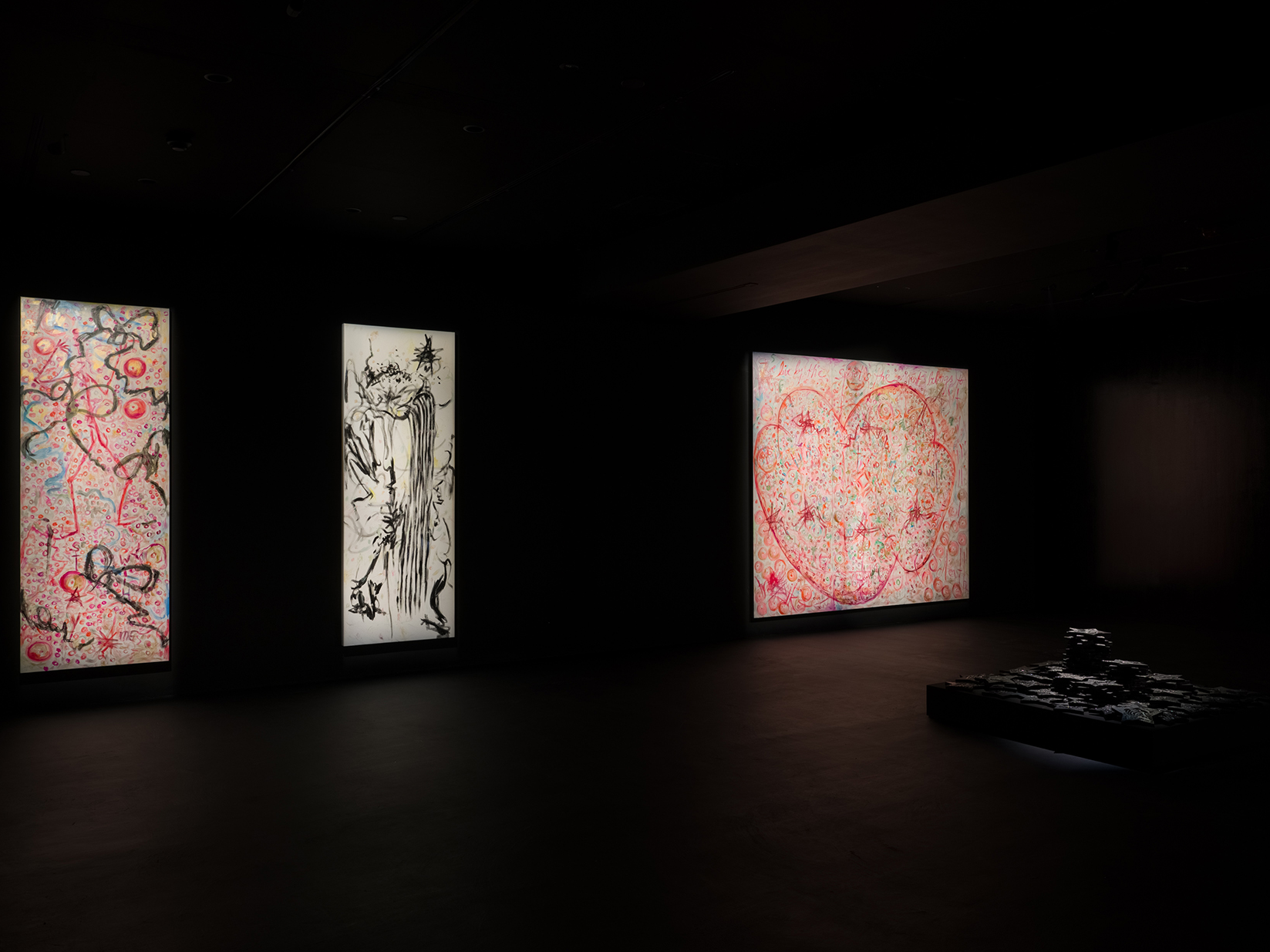
rEceNt WoRkS: Jutta Koether
22 Mar – 20 Jun, 2026
Empty Gallery

SOUTHERN
HKG-TYO 1974-2023
21 Mar – 23 May, 2026
WKM Gallery
CENTRAL
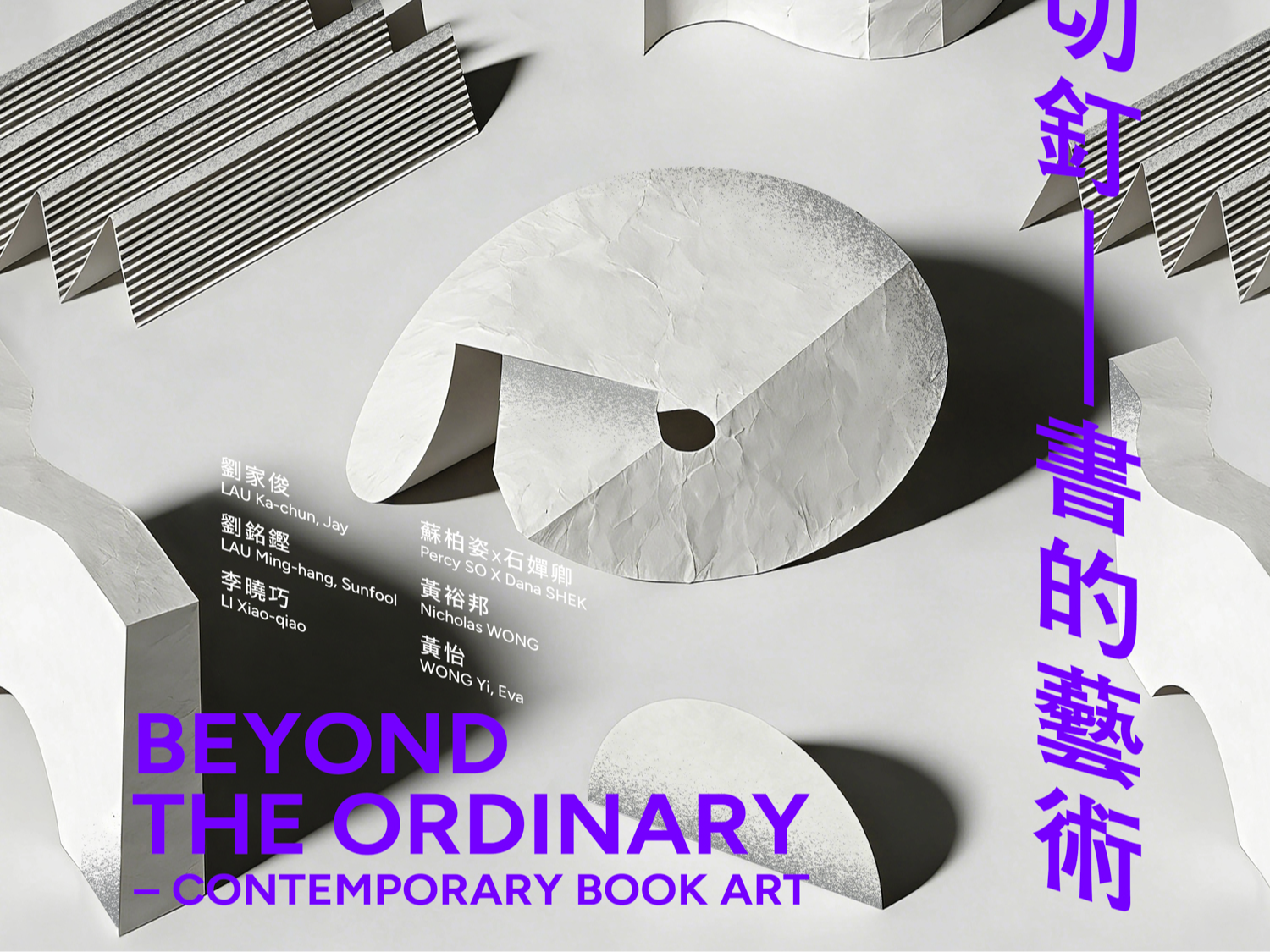
Beyond the Ordinary – Contemporary Book Art
21 Mar – 30 Sep, 2026
Print Art Contemporary
CENTRAL
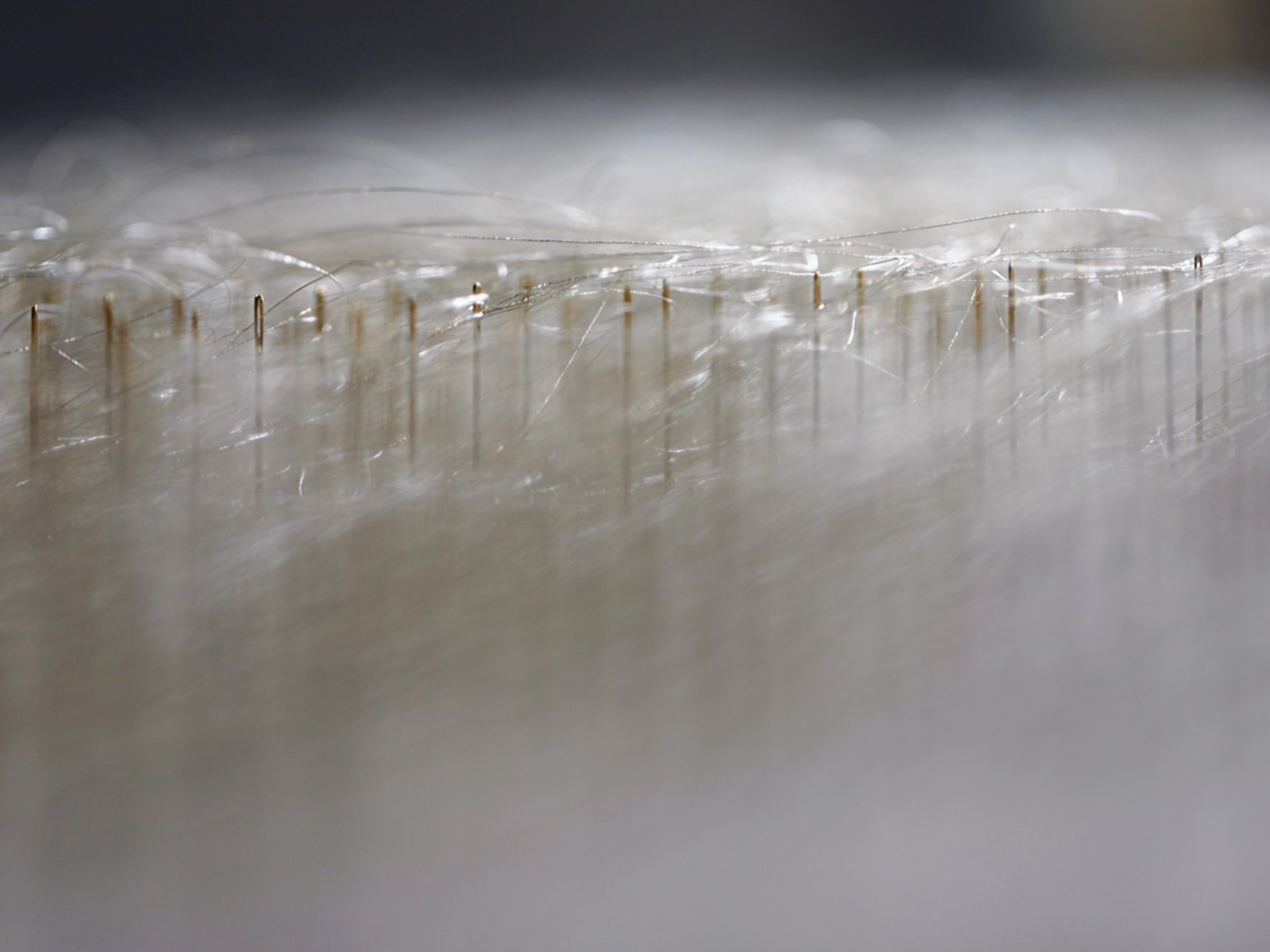
Chen Hui-Chiao: Under One Sky
20 Mar – 28 May, 2026
gdm (Galerie du Monde)
CENTRAL
The Ascent: 15 Years of 3812 Gallery – Anniversary Exhibition
19 Mar – 10 Jun, 2026
3812 Gallery
SOUTHERN
Zhang Xiaoli: Wandering Mindscape
28 Feb – 23 May, 2026
Alisan Atelier
OPENING SOON
CENTRAL
James Turrell: Lifting the Veil
28 May – 1 Aug, 2026
Gagosian
CENTRAL
The Outsider
28 May – 27 Jun, 2026
Art of Nature Contemporary (Central)
SOUTHERN
New Voices in Paris Now: Between Memory and Matter
29 May – 29 Aug, 2026
Alisan Atelier
SOUTHERN
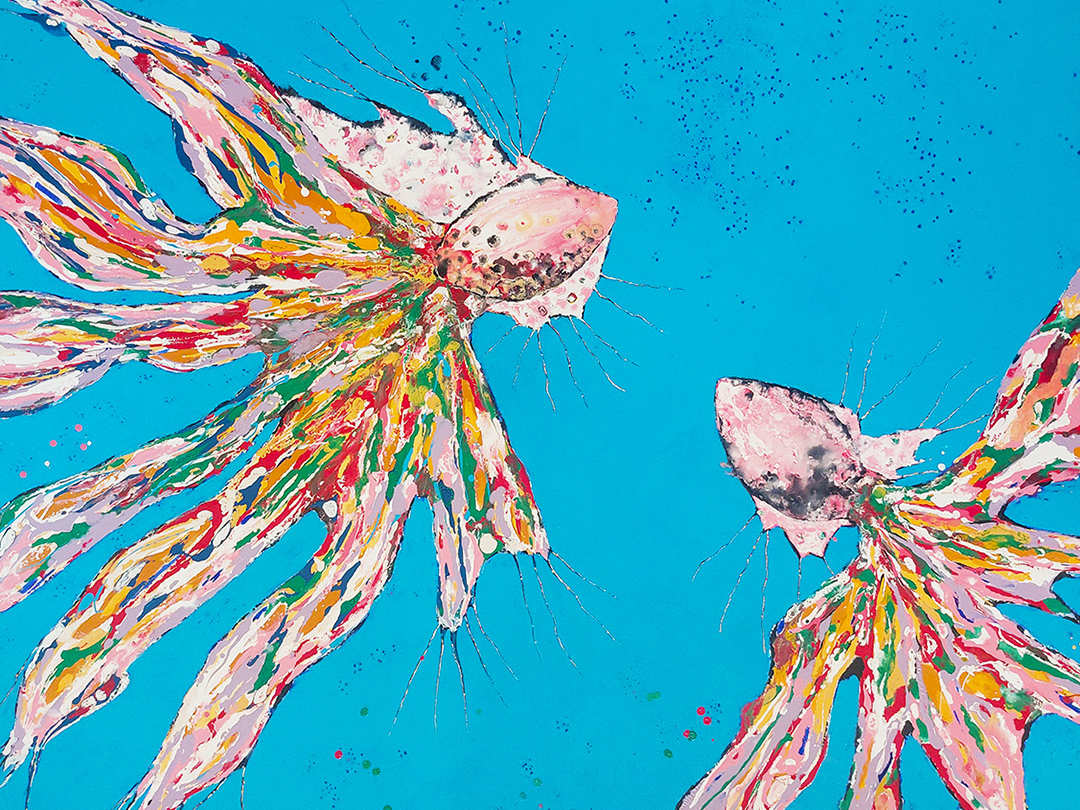
8 – Between Symbiosis and Extinction
29 May – 30 Jun, 2026
Sin Sin Fine Art
CENTRAL
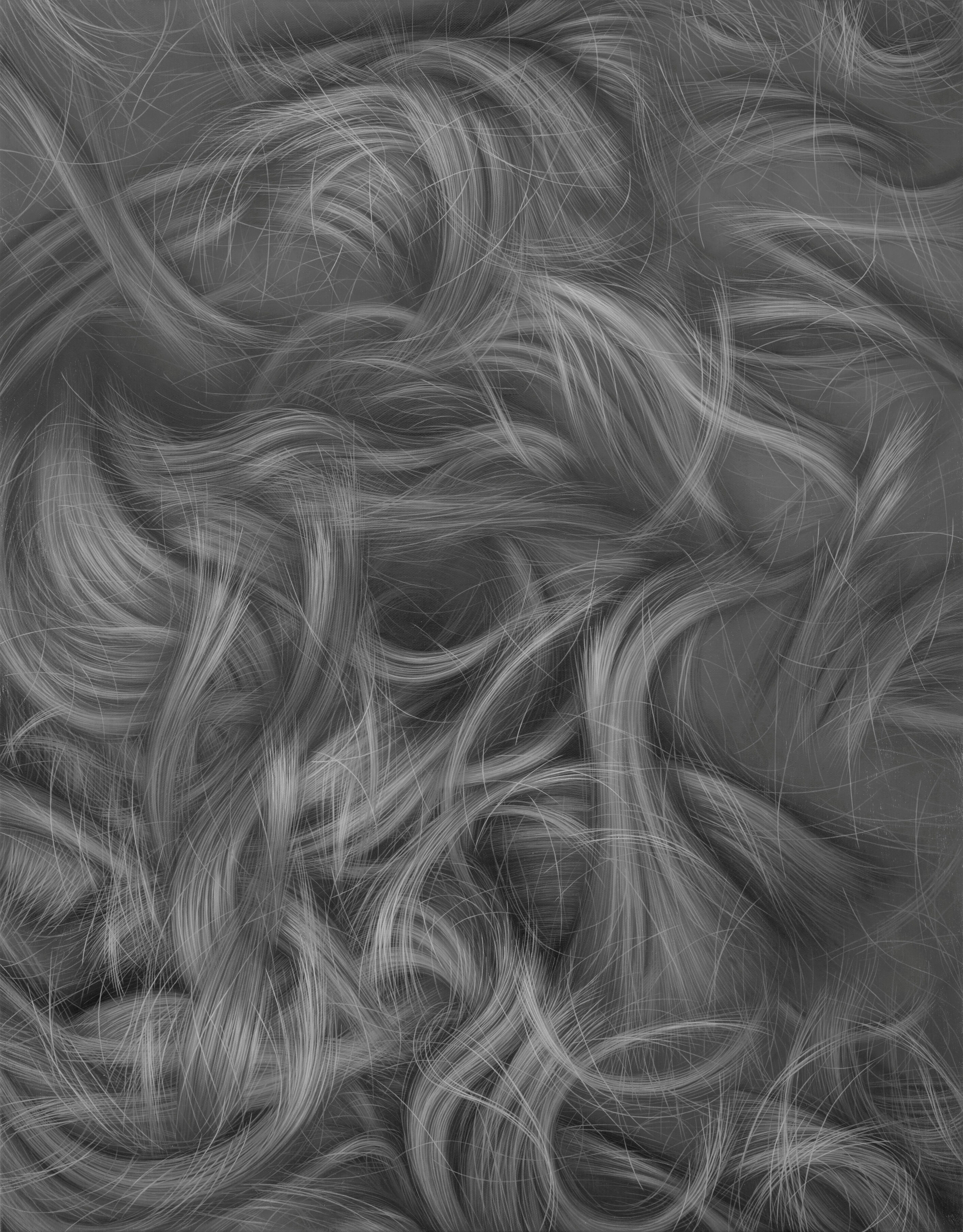
The Substance of Mirage
30 May – 4 Jul, 2026
Ora-Ora
CENTRAL
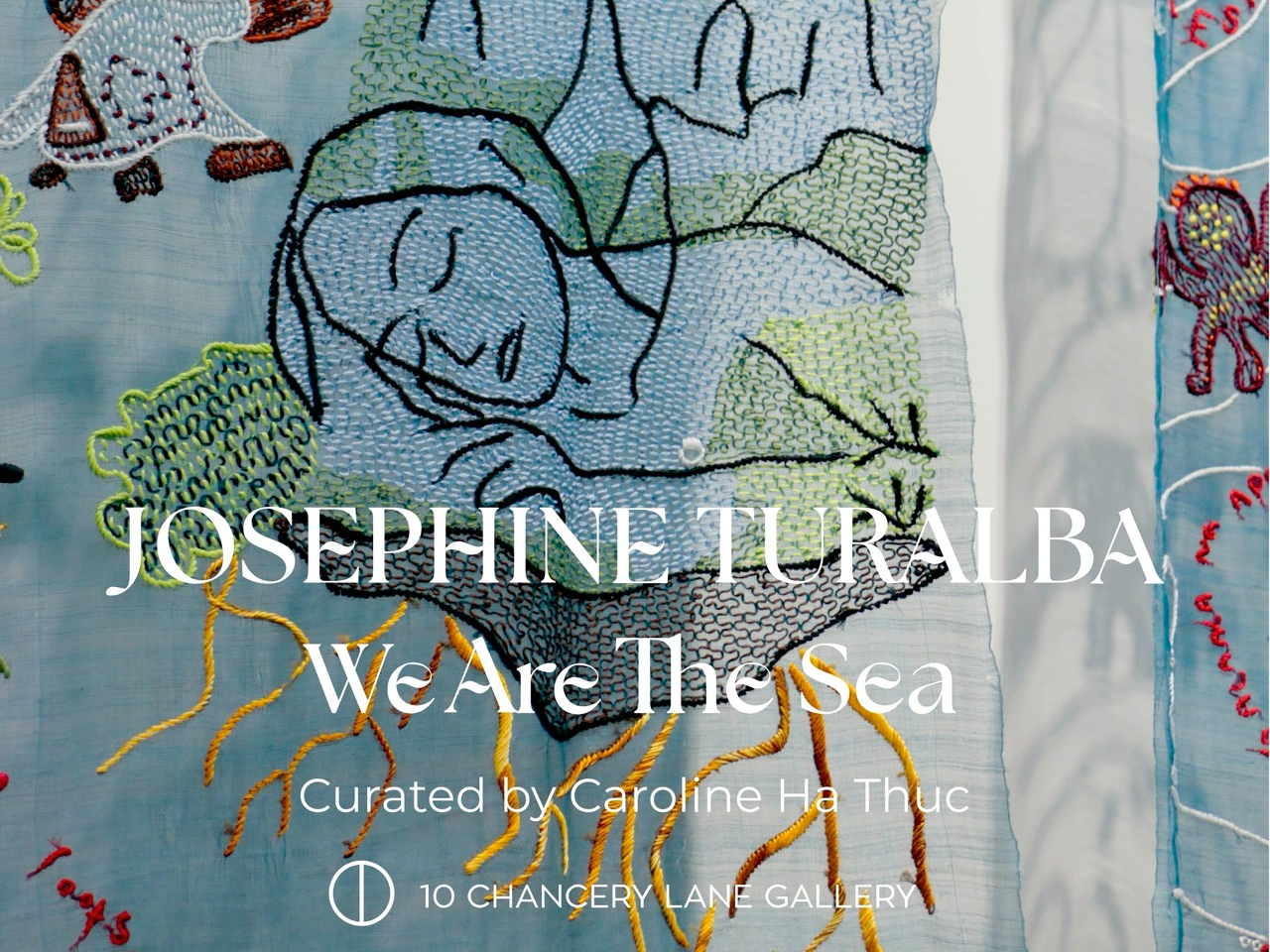
Josephine Turalba: We Are The Sea
3 Jun – 1 Aug, 2026
10 Chancery Lane Gallery
CENTRAL
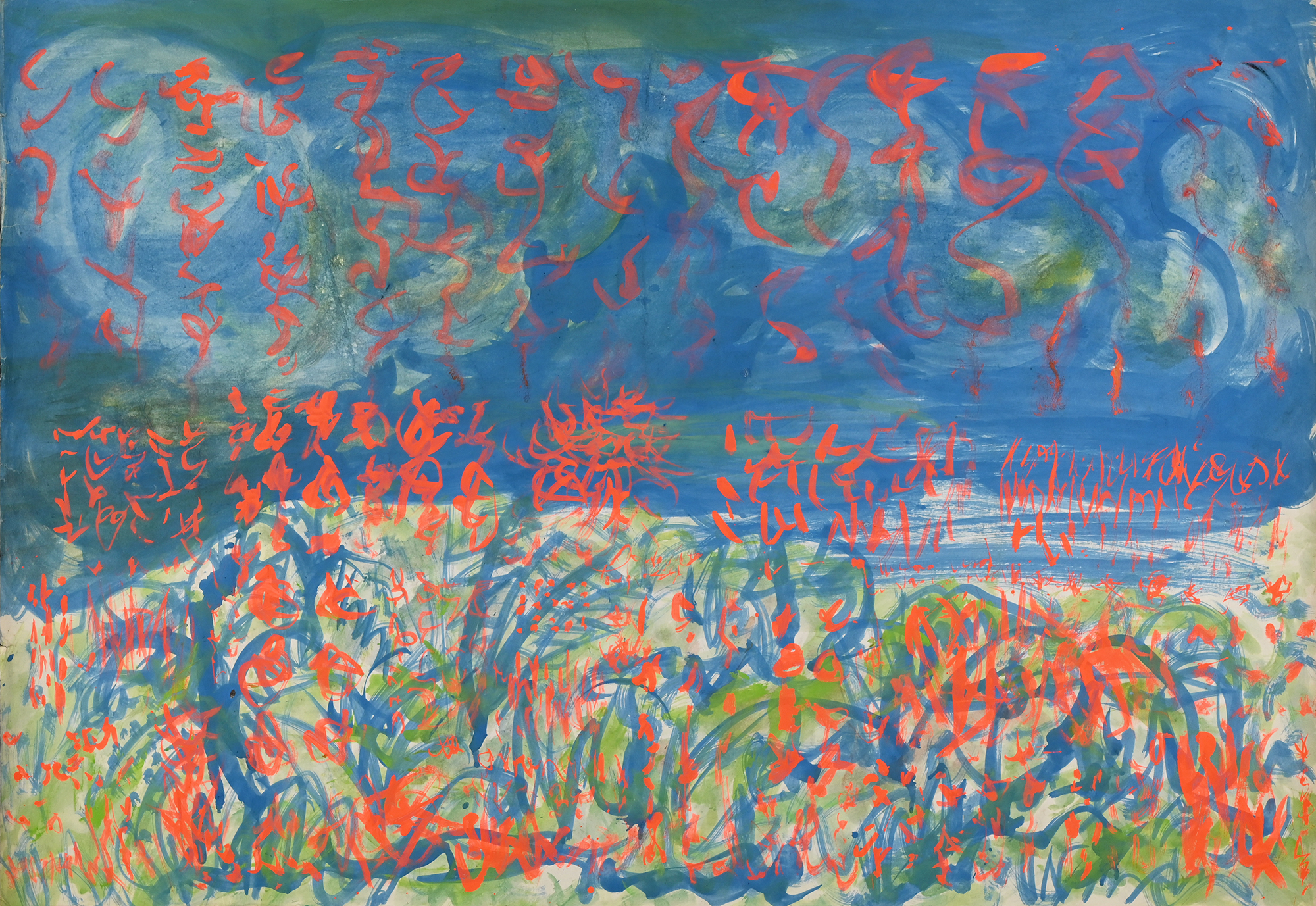
Tang Chang: Into the Heart-Mind
4 Jun – 29 Aug, 2026
gdm (Galerie du Monde)
Forms of Becoming
22 Nov – 3 Jan, 2026
WKM Gallery
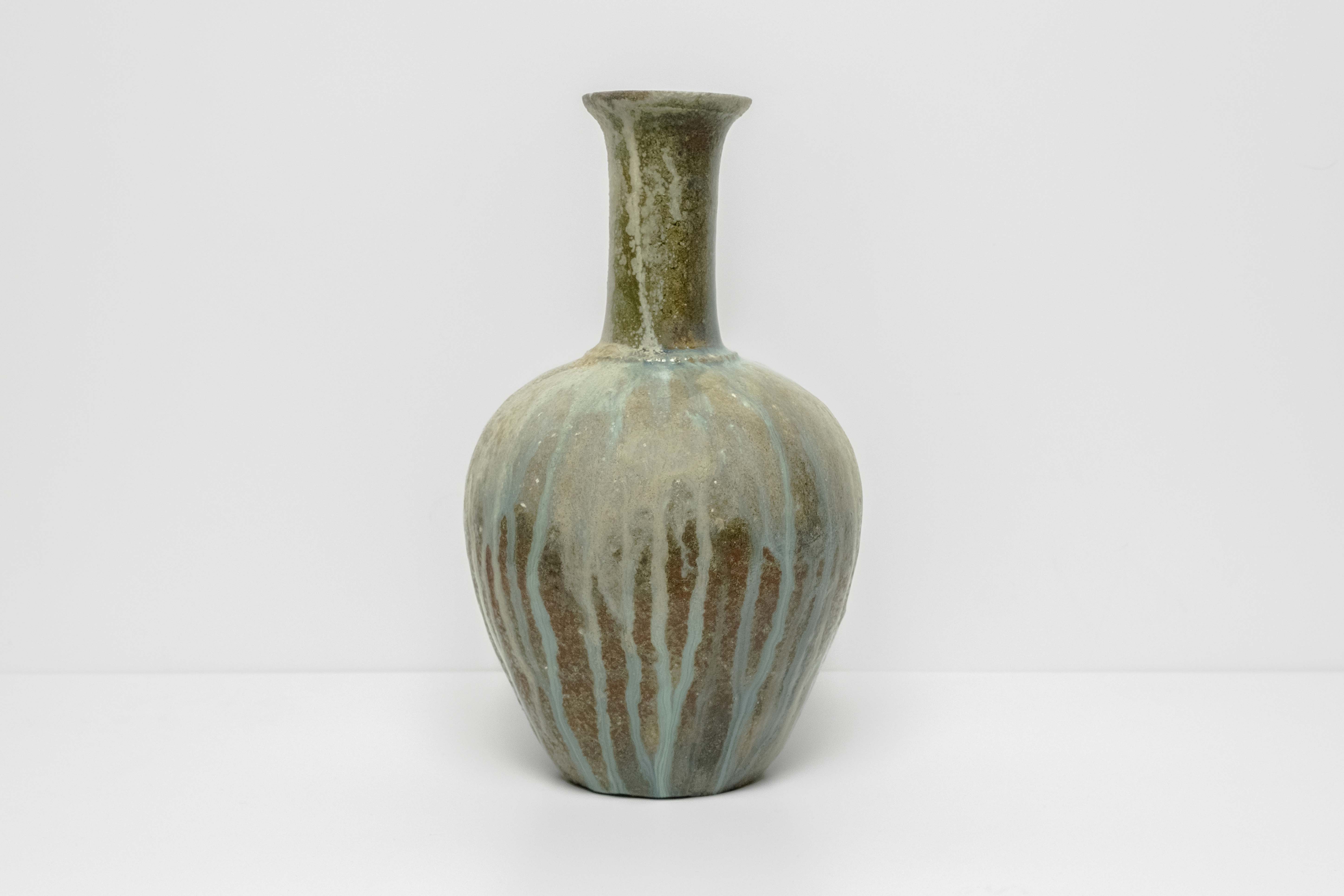
Osamu Inayoshi, Natural ash glaze long neck vase, 2025, Ceramics, 28.9 x 16.7 cm, 11 19/50 x 6 14/25 in, (OI_0004). Courtesy of the artist and WKM Gallery. Photo: Shane Long.
WKM Gallery is pleased to present Forms of Becoming, an exhibition of Japanese ceramics featuring artists Osamu Inayoshi, Takumi Morozumi, Tomohisa Obana, and Tomoko Obana. All based in regions with long ceramic traditions, these four artists draw on inherited customs not as a rulebook but as a point of departure, approaching clay through a contemporary lens and using it as a foundation for personal expression and conceptual exploration.
Ceramics in Japan have long existed at the intersection of utility and aesthetic philosophy. Many central values of the culture are reflected in the craft: a deep reverence for nature, an appreciation of imperfection and ambiguity, and respect for the humble beauty within simple forms. From this core, distinct identities arose across geographies in response to local clay and firing environments.
The exhibition navigates a veritable map of Japan's ceramic heritage, with each artist engaging with the history of their respective region: Morozumi is based in Shigaraki, one of Japan’s most famous ceramic centers; Tomohisa Obana and Tomoko Obana in Iga, home to the ancient Igayaki pottery tradition; and Inayoshi in the Atsumi peninsula, birthplace of Atsumiyaki stoneware. These regional differences shape each artist’s practice, the form and finish of their works influenced by different types of clay, firewood and kilns. Yet each artist puts their own contemporary spin on these traditions, incorporating their own subjective emotions, identities, and interpretations.
Shigaraki, located in Shiga Prefecture, is one of Japan’s most well-known kiln sites, renowned for its rough, mineral-rich clay and natural ash glazes. From this environment comes Takumi Morozumi. Having grown up across several countries, Morozumi views clay as a bridge to his roots and a medium for expressing the essence of home. His works reflect a combination of his experience abroad in places such as Oslo, New York, Beijing, and Taipei, in addition to his current practice in Shigaraki. By embracing unpredictability and imperfection as a symbolic extension of personal identity, Morozumi repositions Japanese ceramics as an evolving category shaped as much by contemporary identity as by tradition.
In the neighboring city of Iga, the unique clay of Japan’s oldest lake, Lake Biwa, allowed the area to precede Shigaraki as a center of ceramics. With a history stretching back 1,200 years, it is a ceramic tradition associated with rustic beauty and durability, qualities that inform the work of Tomoko Obana and Tomohisa Obana.
Tomoko Obana casts solid molds from industrially produced bottles and vases, firing them with various woods to achieve ashen gradient surfaces. These non-functional replicas are then grouped into highly calibrated arrangements, recalling the spatial discipline of ikebana and karesansui gardens. The bottles become almost architectural, disconnecting their relation to human use and turning into timeless constellations. Meanwhile, Tomohisa Obana’s precariously stacked plates and sealed vessels similarly reject utility. Freed of functionality, his works explore the beauty that lies within ambiguity, instability, and purposelessness.
Further south, Aichi Prefecture’s Atsumiyaki tradition informs the practice of Osamu Inayoshi. Catalyzed by his discomfort with the mass-produced, machine-made urn that became the final resting place for his grandfather, Inayoshi dedicated himself to becoming a ceramicist. In the process, he learned of the ceramic tradition of his own birthplace, and eventually even attempted to recreate an ancient Atsumiyaki kiln from the 12th and 13th centuries based on archaeological ruins. Rejecting the impersonal nature of factory production and the fast pace of information society, Inayoshi’s diverse practice combines his ongoing research into Atsumiyaki with his training at the Minoyaki kilns in Gifu Prefecture, placing value on ancient wisdom, local culture, and the power of the earth’s abundance.
Together, these artists represent a generational shift in Japanese ceramics, adding to the growing global discourse that challenges the hierarchies between craft and art. While each artist’s approach diverges in form and tone, they share a common interest in balancing tradition with transformation. Through their practices, the old paves a path toward the new, showing how ceramic lineage can evolve in response to the complexities of contemporary identity. Forms of Becoming turns vessels of function into vessels of thought, and proposes that ceramic traditions are in fact active systems: evolving vocabularies through which past memory and present consciousness continue to be discovered.
Ceramics in Japan have long existed at the intersection of utility and aesthetic philosophy. Many central values of the culture are reflected in the craft: a deep reverence for nature, an appreciation of imperfection and ambiguity, and respect for the humble beauty within simple forms. From this core, distinct identities arose across geographies in response to local clay and firing environments.
The exhibition navigates a veritable map of Japan's ceramic heritage, with each artist engaging with the history of their respective region: Morozumi is based in Shigaraki, one of Japan’s most famous ceramic centers; Tomohisa Obana and Tomoko Obana in Iga, home to the ancient Igayaki pottery tradition; and Inayoshi in the Atsumi peninsula, birthplace of Atsumiyaki stoneware. These regional differences shape each artist’s practice, the form and finish of their works influenced by different types of clay, firewood and kilns. Yet each artist puts their own contemporary spin on these traditions, incorporating their own subjective emotions, identities, and interpretations.
Shigaraki, located in Shiga Prefecture, is one of Japan’s most well-known kiln sites, renowned for its rough, mineral-rich clay and natural ash glazes. From this environment comes Takumi Morozumi. Having grown up across several countries, Morozumi views clay as a bridge to his roots and a medium for expressing the essence of home. His works reflect a combination of his experience abroad in places such as Oslo, New York, Beijing, and Taipei, in addition to his current practice in Shigaraki. By embracing unpredictability and imperfection as a symbolic extension of personal identity, Morozumi repositions Japanese ceramics as an evolving category shaped as much by contemporary identity as by tradition.
In the neighboring city of Iga, the unique clay of Japan’s oldest lake, Lake Biwa, allowed the area to precede Shigaraki as a center of ceramics. With a history stretching back 1,200 years, it is a ceramic tradition associated with rustic beauty and durability, qualities that inform the work of Tomoko Obana and Tomohisa Obana.
Tomoko Obana casts solid molds from industrially produced bottles and vases, firing them with various woods to achieve ashen gradient surfaces. These non-functional replicas are then grouped into highly calibrated arrangements, recalling the spatial discipline of ikebana and karesansui gardens. The bottles become almost architectural, disconnecting their relation to human use and turning into timeless constellations. Meanwhile, Tomohisa Obana’s precariously stacked plates and sealed vessels similarly reject utility. Freed of functionality, his works explore the beauty that lies within ambiguity, instability, and purposelessness.
Further south, Aichi Prefecture’s Atsumiyaki tradition informs the practice of Osamu Inayoshi. Catalyzed by his discomfort with the mass-produced, machine-made urn that became the final resting place for his grandfather, Inayoshi dedicated himself to becoming a ceramicist. In the process, he learned of the ceramic tradition of his own birthplace, and eventually even attempted to recreate an ancient Atsumiyaki kiln from the 12th and 13th centuries based on archaeological ruins. Rejecting the impersonal nature of factory production and the fast pace of information society, Inayoshi’s diverse practice combines his ongoing research into Atsumiyaki with his training at the Minoyaki kilns in Gifu Prefecture, placing value on ancient wisdom, local culture, and the power of the earth’s abundance.
Together, these artists represent a generational shift in Japanese ceramics, adding to the growing global discourse that challenges the hierarchies between craft and art. While each artist’s approach diverges in form and tone, they share a common interest in balancing tradition with transformation. Through their practices, the old paves a path toward the new, showing how ceramic lineage can evolve in response to the complexities of contemporary identity. Forms of Becoming turns vessels of function into vessels of thought, and proposes that ceramic traditions are in fact active systems: evolving vocabularies through which past memory and present consciousness continue to be discovered.

WKM Gallery
Address: 20/F, Coda Designer Centre, 62 Wong Chuk Hang Road, Wong Chuk Hang
Opening Hours: Tue–Sat 11am–7pm, Closed on Sunday, Monday and Public Holidays
Phone: +852 2866 3199
Website: wkm.gallery