

CURRENTLY SHOWING
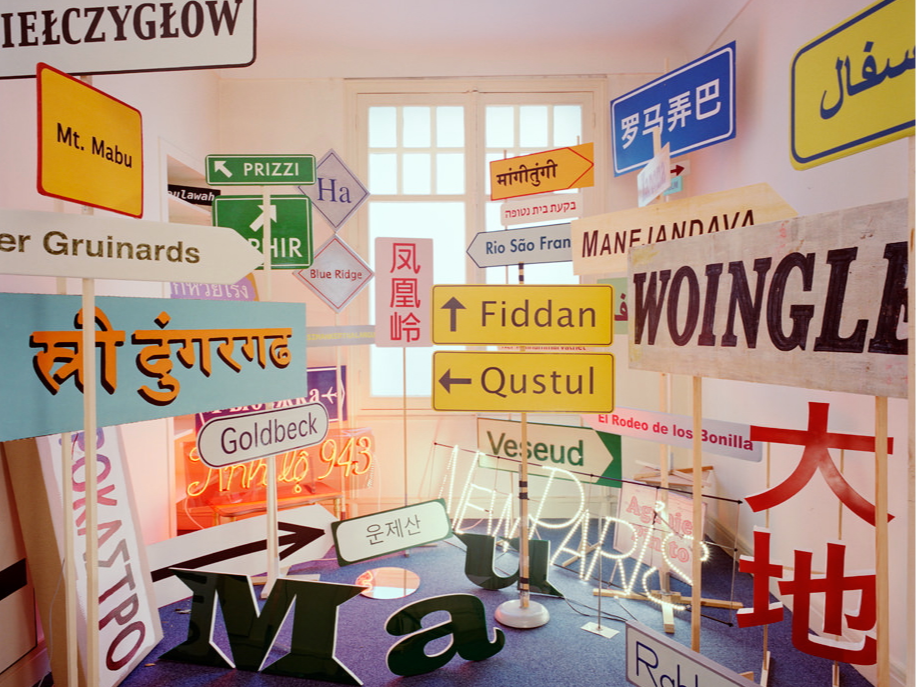
SOUTHERN
Synesthesia - Aki Lumi x Yuki Onodera
23 May – 25 Jul, 2026
wamono art
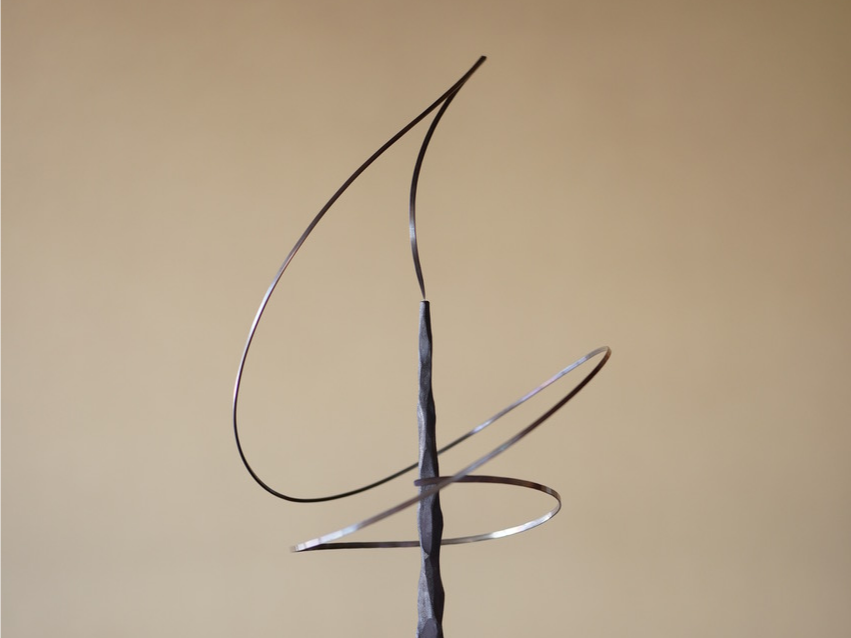
SOUTHERN
Resonance – Transforming the atmosphere and feeling of space
23 May – 25 Jul, 2026
wamono art
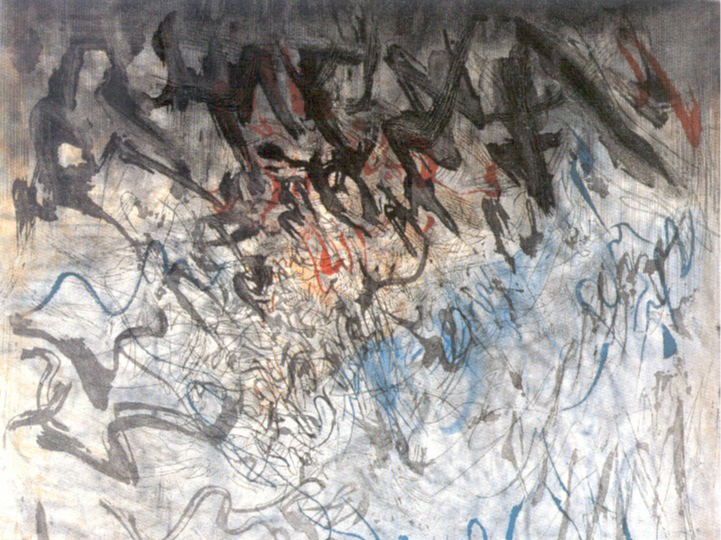
CENTRAL
The Chinese Avant-Garde in Paris: Chu Teh-chun, T'ang Haywen, Walasse Ting, Zao Wou-ki
22 May – 15 Aug, 2026
Alisan Fine Arts
.jpg)
SAI WAN (WESTERN)
Offscum: Offffffloor Edition
18 May – 6 Jun, 2026
HART HAUS
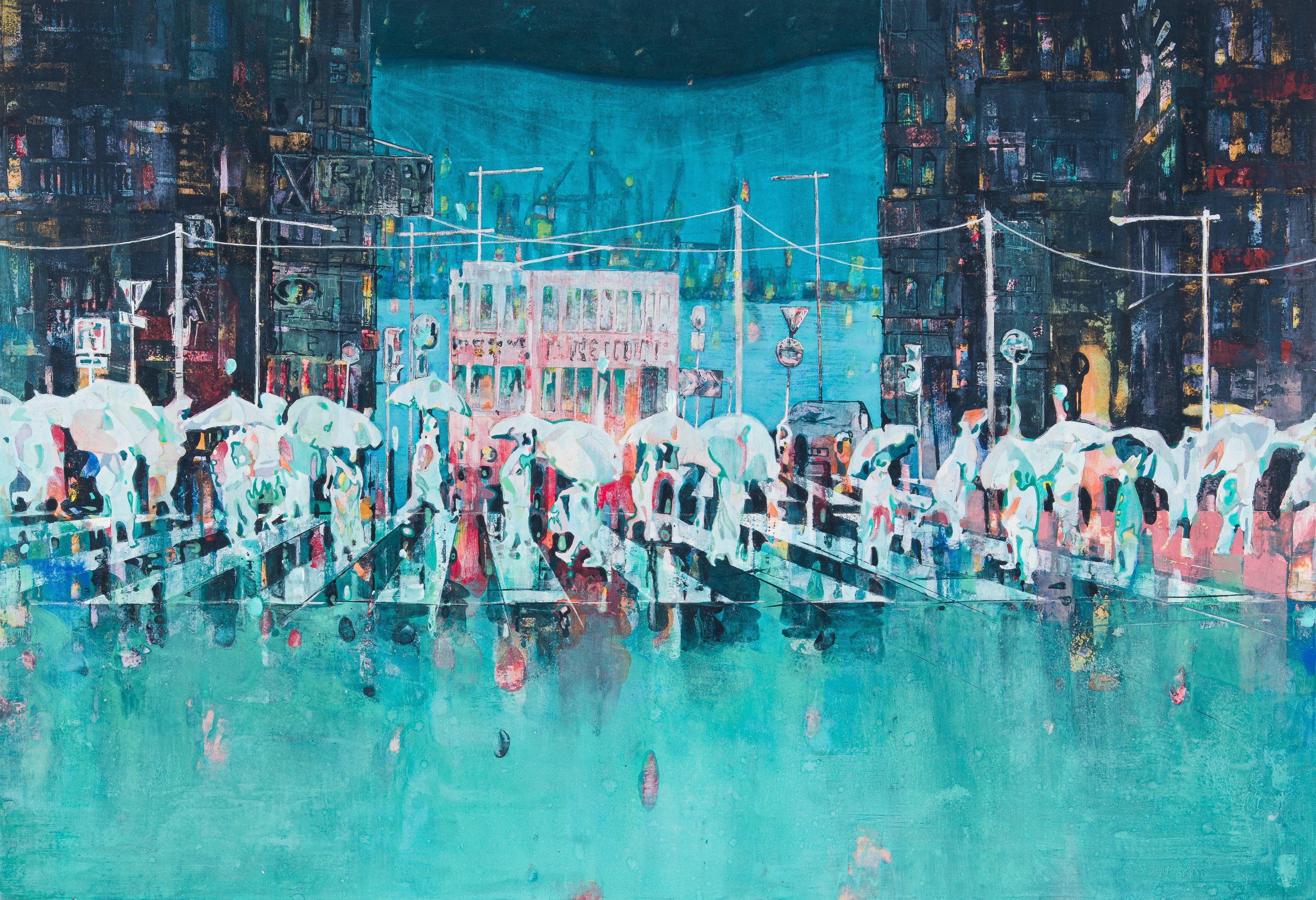
SOUTHERN
Intersection: Kisho Kakutani and Kosuke Harasawa
16 May – 4 Jul, 2026
Whitestone Gallery
SOUTHERN
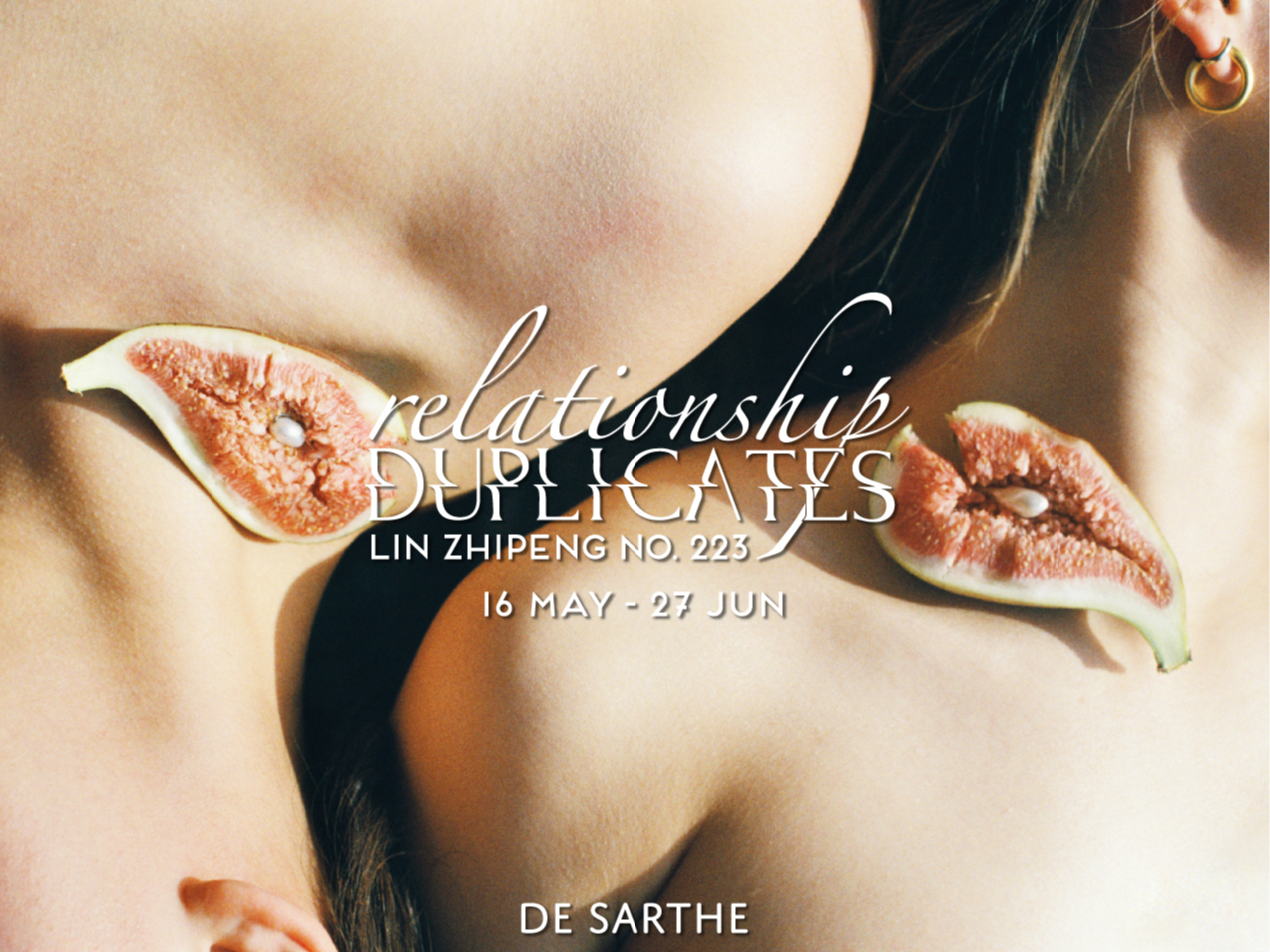
Lin Zhipeng (No.223): Relationship Duplicates
16 May – 27 Jun, 2026
DE SARTHE
SOUTHERN
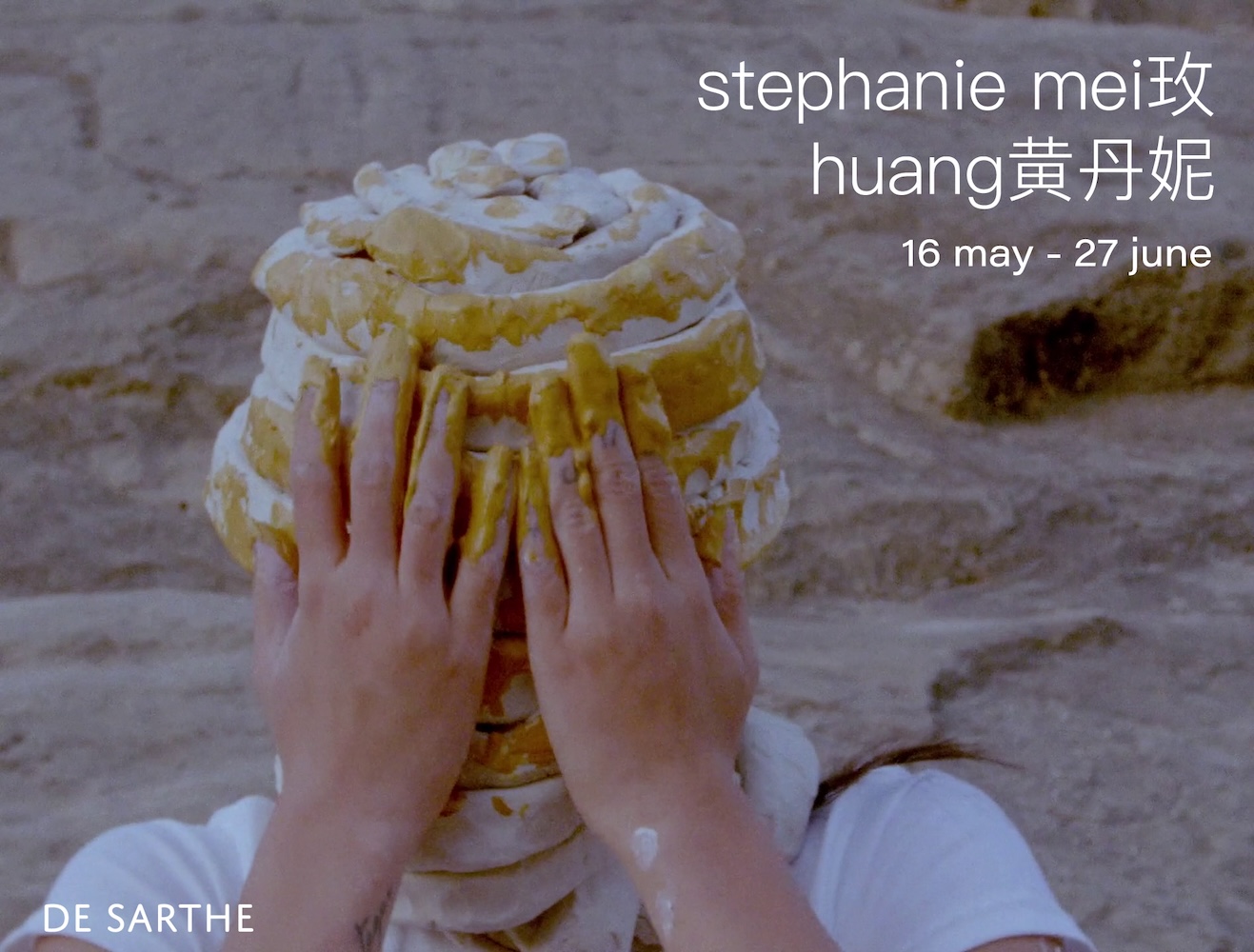
stephanie mei huang: yellow porcelain ii (outside the Los Angeles Police Academy)
16 May – 27 Jun, 2026
DE SARTHE
CENTRAL
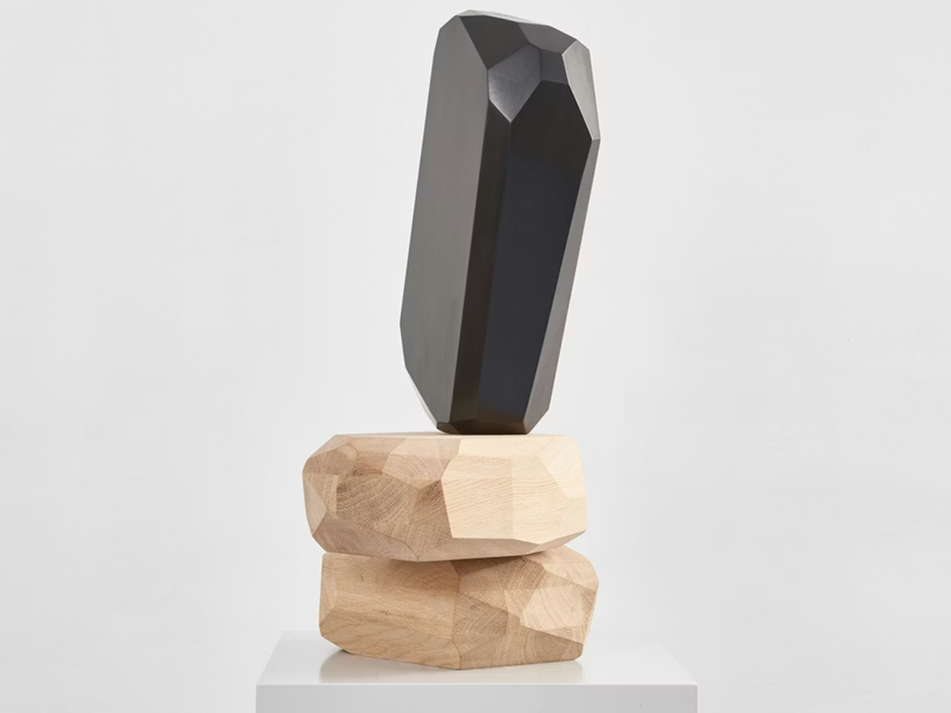
Come Closer
15 May – 5 Jul, 2026
Tang Contemporary Art (Central)
CENTRAL
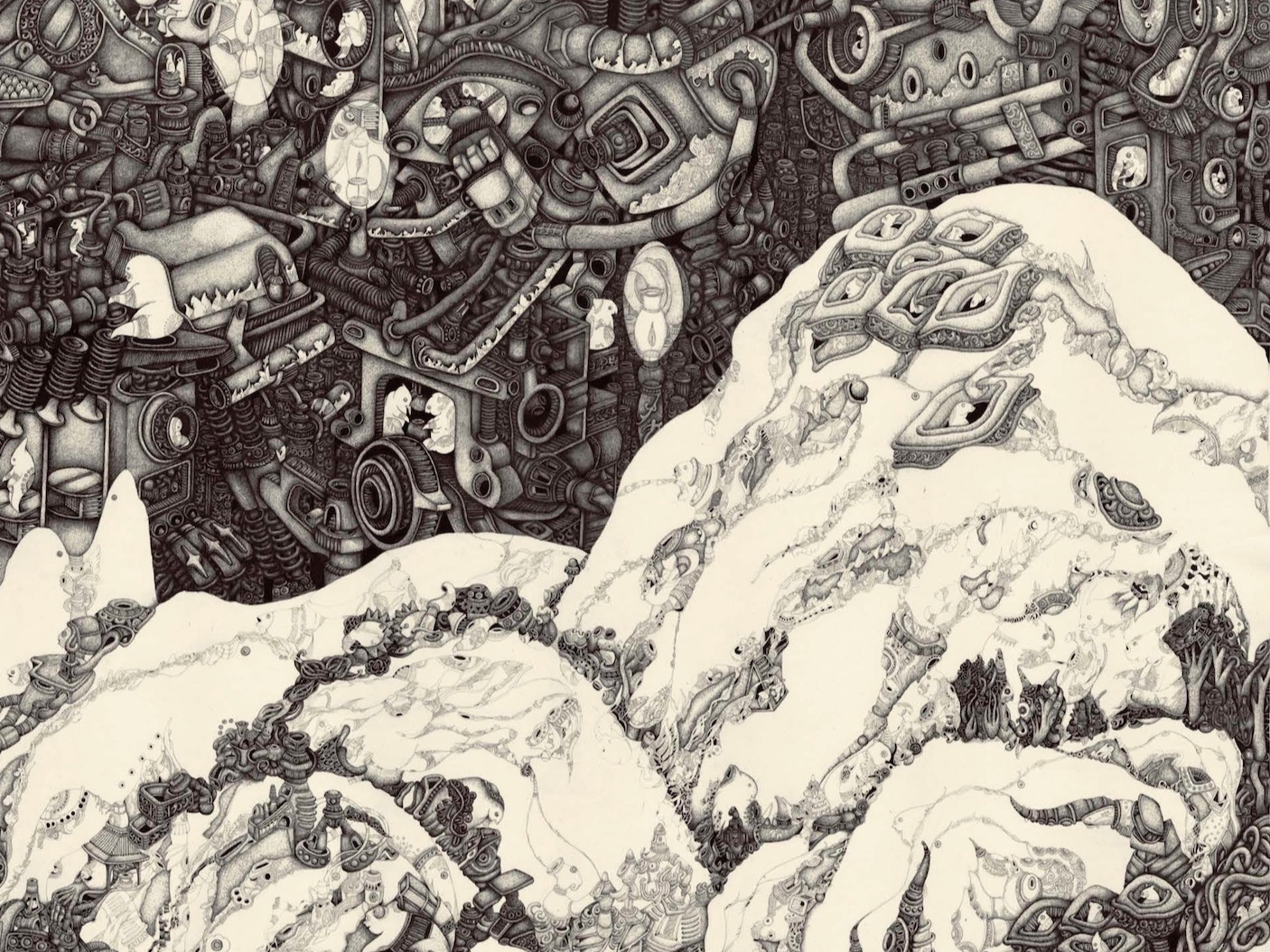
Li Qing: Mechanismic Sublime — Reconstructing Literati Ruins
15 May – 28 Jun, 2026
INKstudio
.jpg)
SAI WAN (WESTERN)
Michael Rikio Ming Hee Ho: and I love you dearly
9 May – 4 Jun, 2026
HART HAUS
, 2025, Acrylic on linen over panel, 100 x 70 cm.JPG)
SHEUNG WAN
Jon Poblador: San Gimignano
7 May – 20 Jun, 2026
Soluna Fine Art
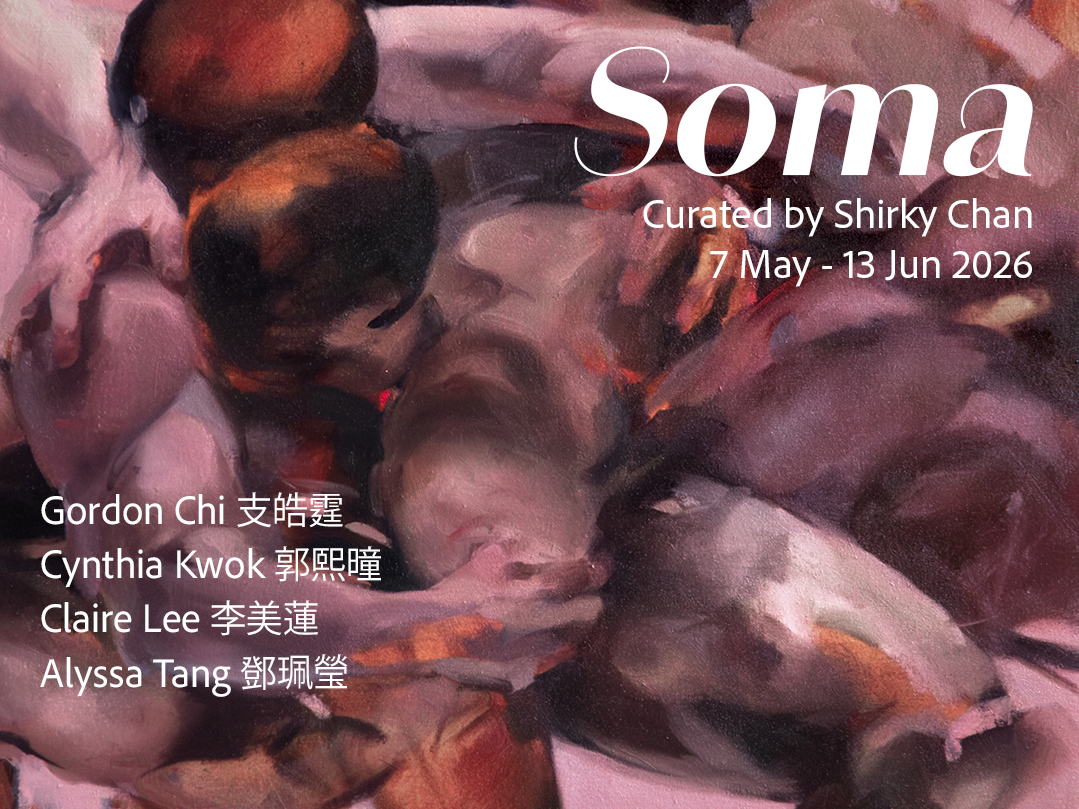
SHEUNG WAN
Soma
7 May – 13 Jun, 2026
Contemporary by Angela Li
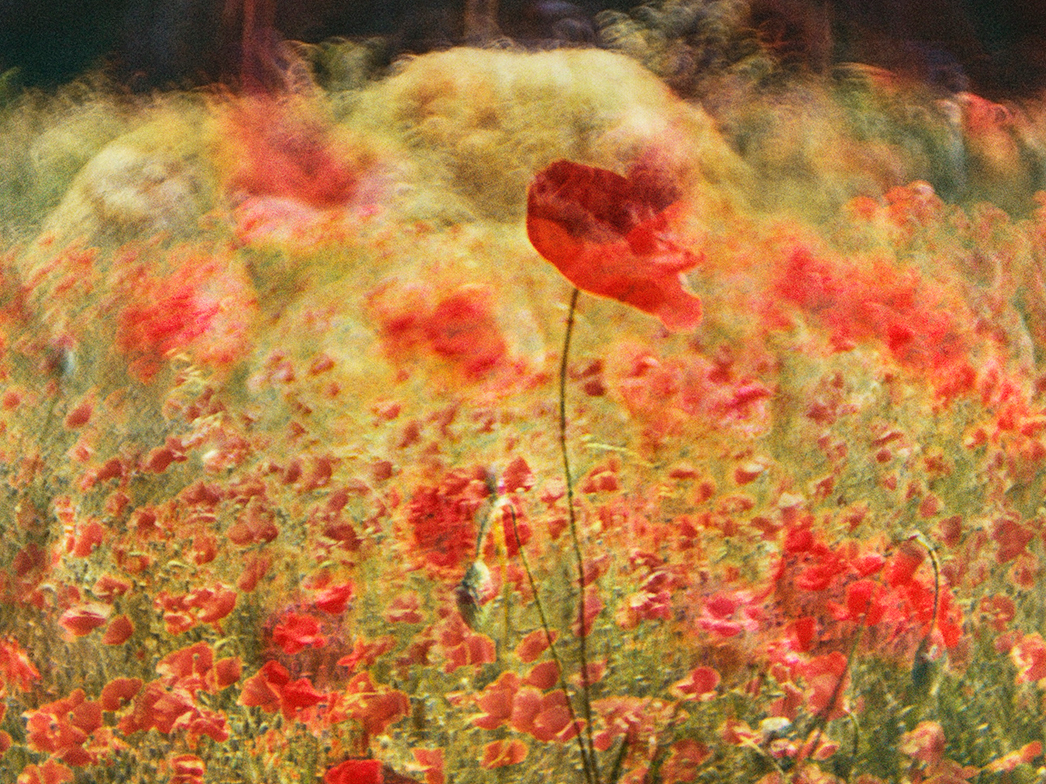
SOUTHERN
Keep only the Sunshine
24 Apr – 17 Jun, 2026
Boogie Woogie Photography
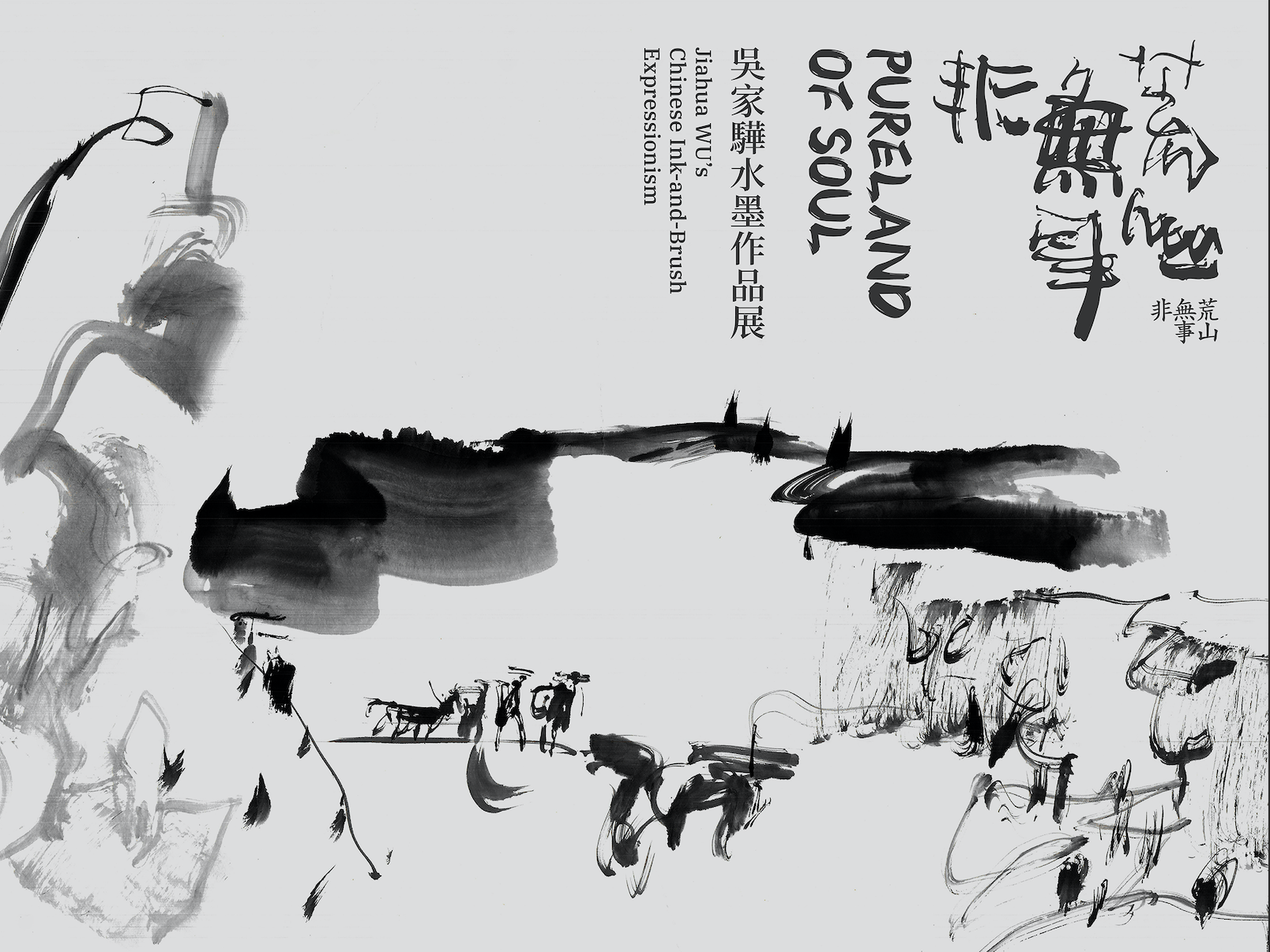
SOUTHERN
PURELAND OF SOUL: Jiahua WU’s Chinese Ink-and-Brush Expressionism
24 Apr – 4 Sep, 2026
Y Gallery
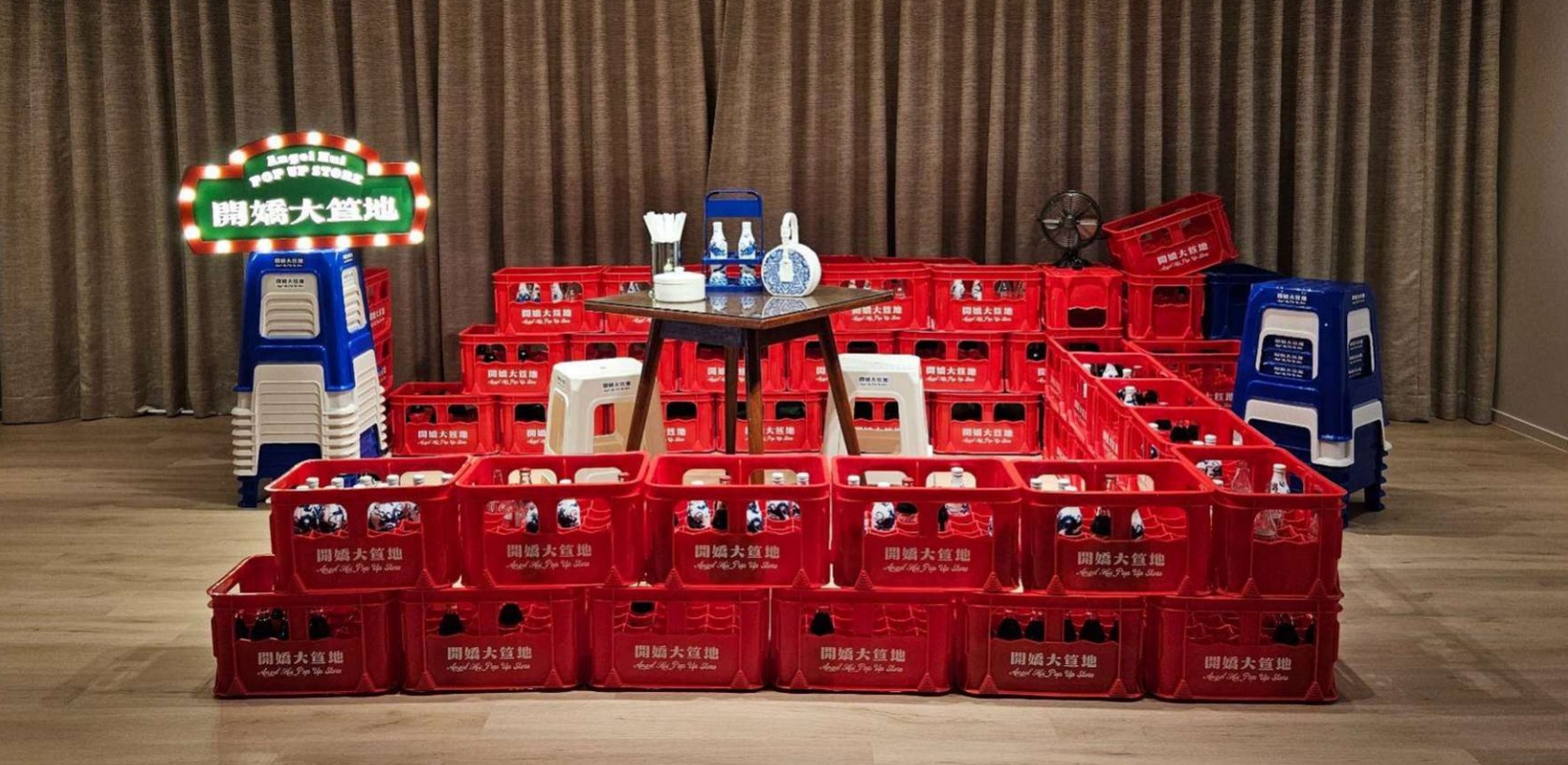
SOUTHERN
Reimagine the Familiar - A pop-up exhibition
26 Mar – 29 Aug, 2026
Alisan Atelier
 (1).jpg)
ADMIRALTY
Hung Hsien: Between Worlds
25 Mar – 21 Jun, 2026
Asia Society Hong Kong Center
SOUTHERN
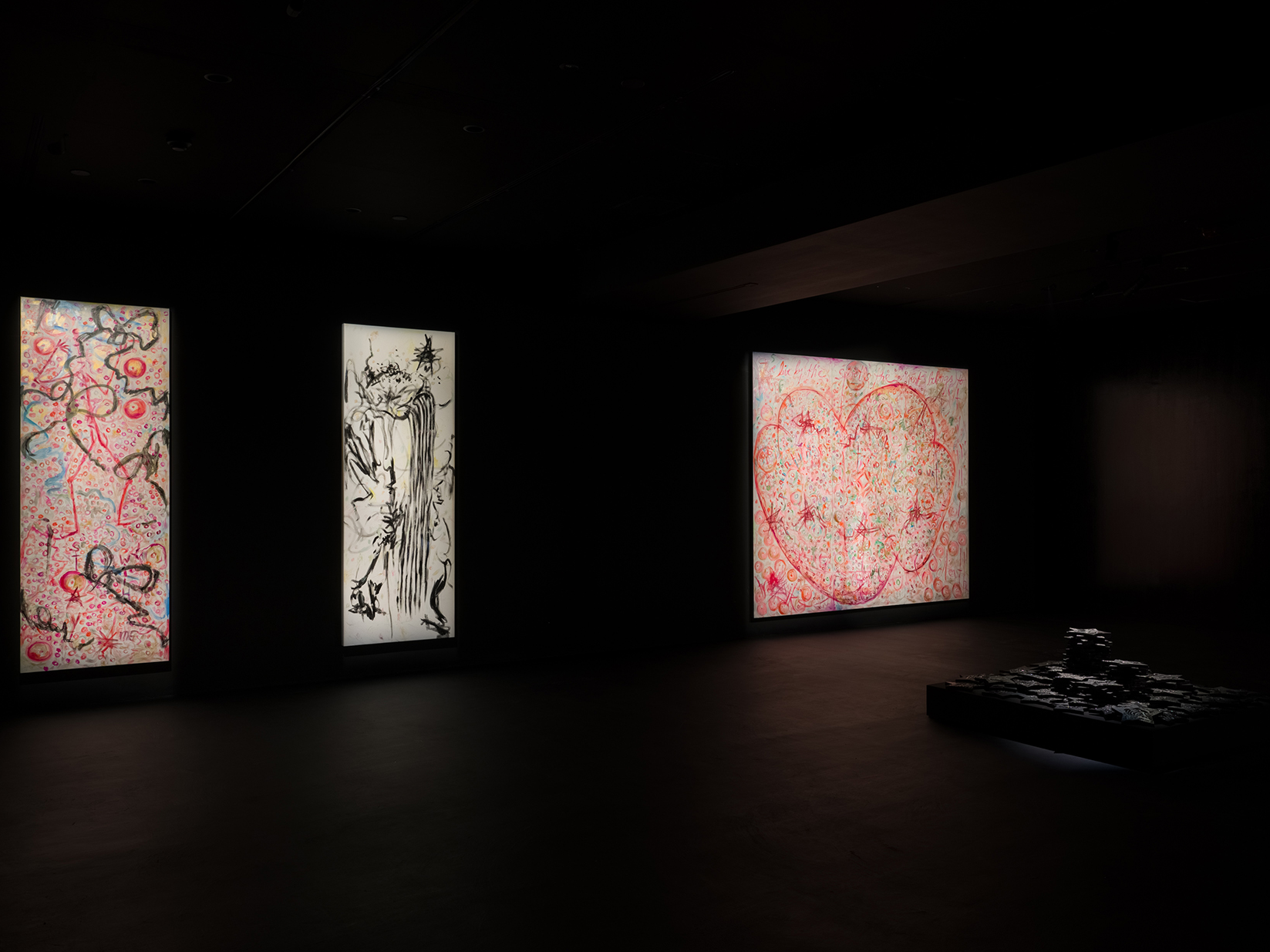
rEceNt WoRkS: Jutta Koether
22 Mar – 20 Jun, 2026
Empty Gallery
CENTRAL
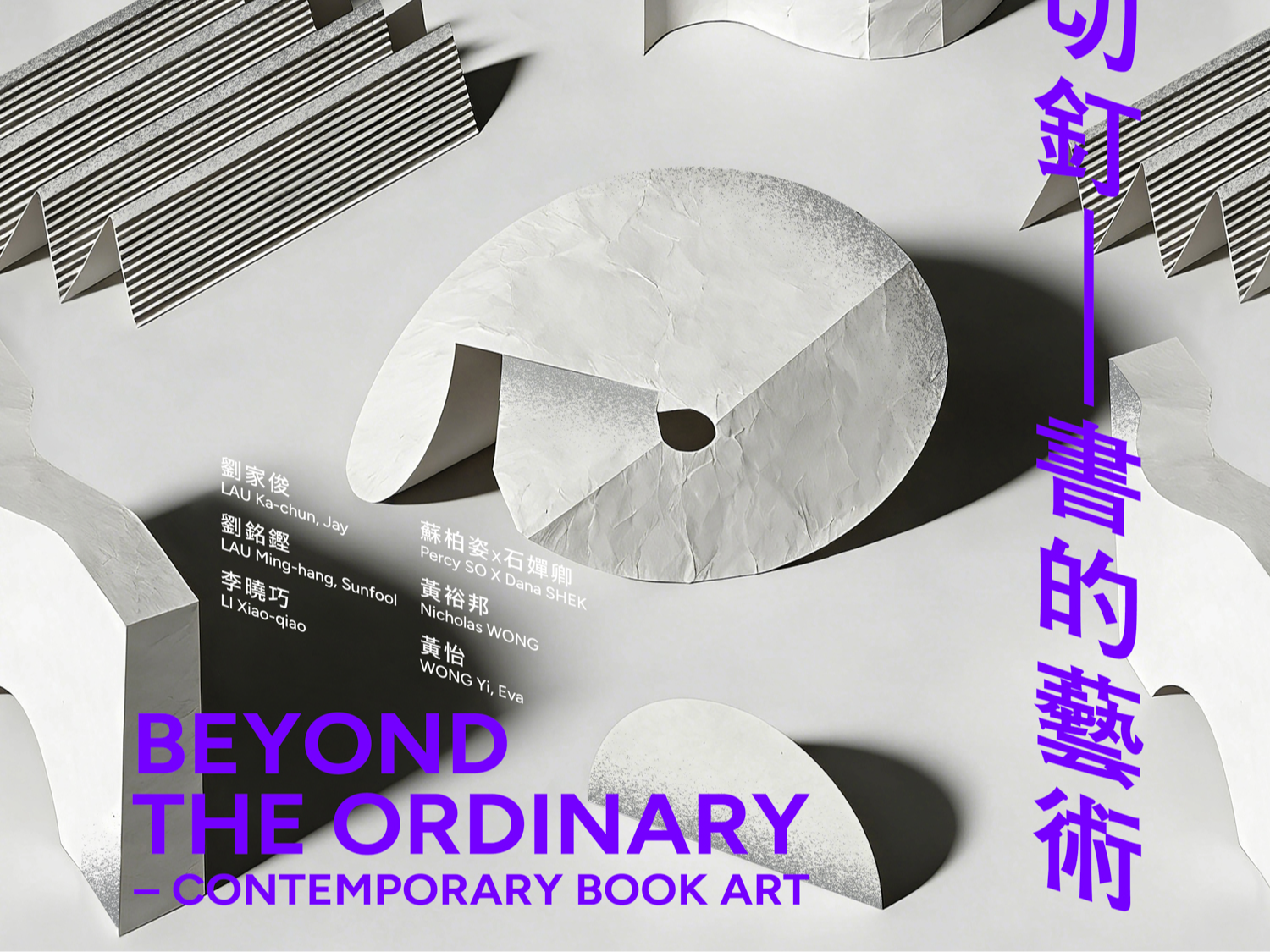
Beyond the Ordinary – Contemporary Book Art
21 Mar – 30 Sep, 2026
Print Art Contemporary
CENTRAL
Chen Hui-Chiao: Under One Sky
20 Mar – 28 May, 2026
gdm (Galerie du Monde)
CENTRAL
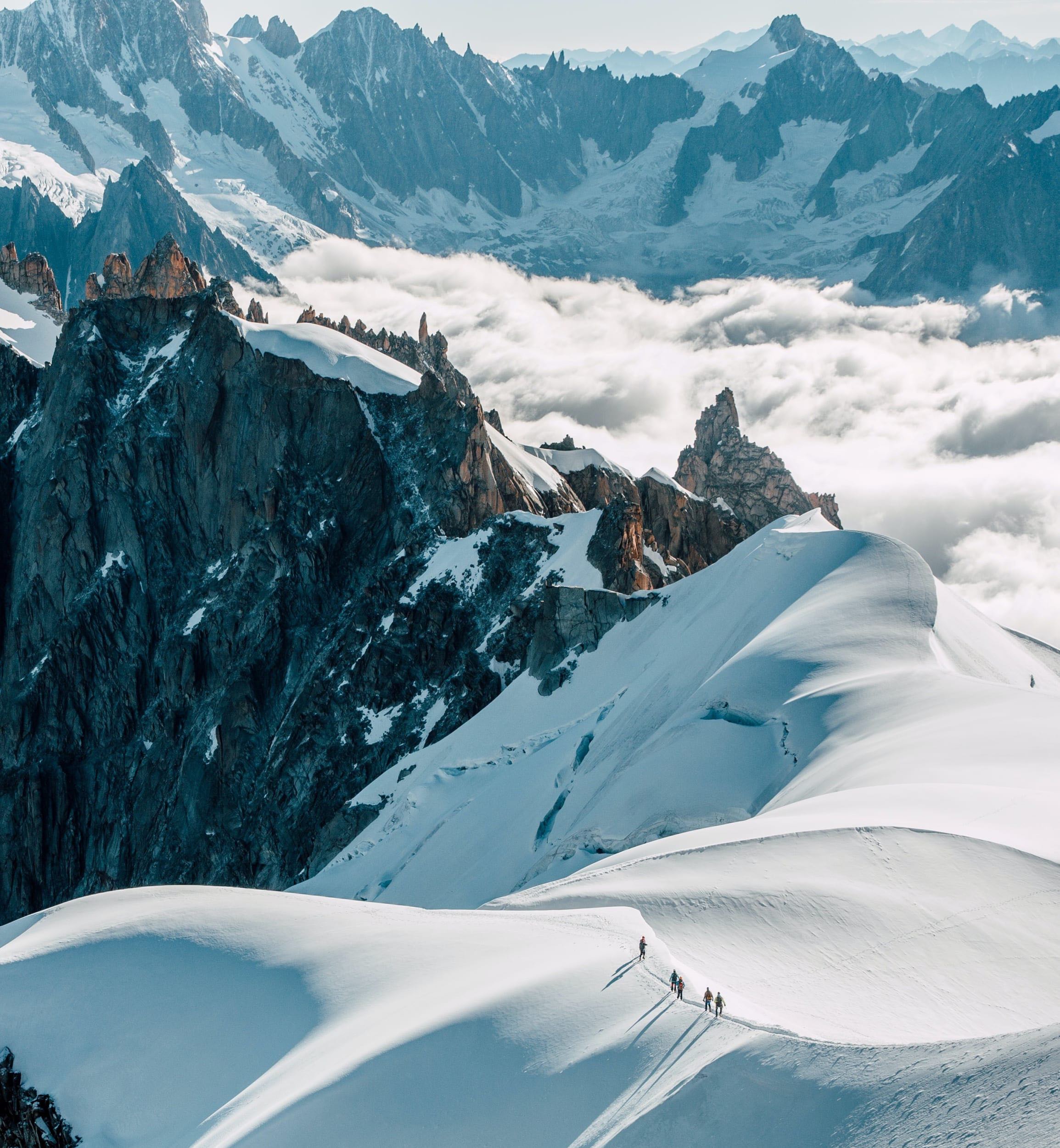
The Ascent: 15 Years of 3812 Gallery – Anniversary Exhibition
19 Mar – 10 Jun, 2026
3812 Gallery
OPENING SOON
CENTRAL
James Turrell: Lifting the Veil
28 May – 1 Aug, 2026
Gagosian
CENTRAL
The Outsider
28 May – 27 Jun, 2026
Art of Nature Contemporary (Central)
SOUTHERN
New Voices in Paris Now: Between Memory and Matter
29 May – 29 Aug, 2026
Alisan Atelier
SOUTHERN
8 – Between Symbiosis and Extinction
29 May – 30 Jun, 2026
Sin Sin Fine Art
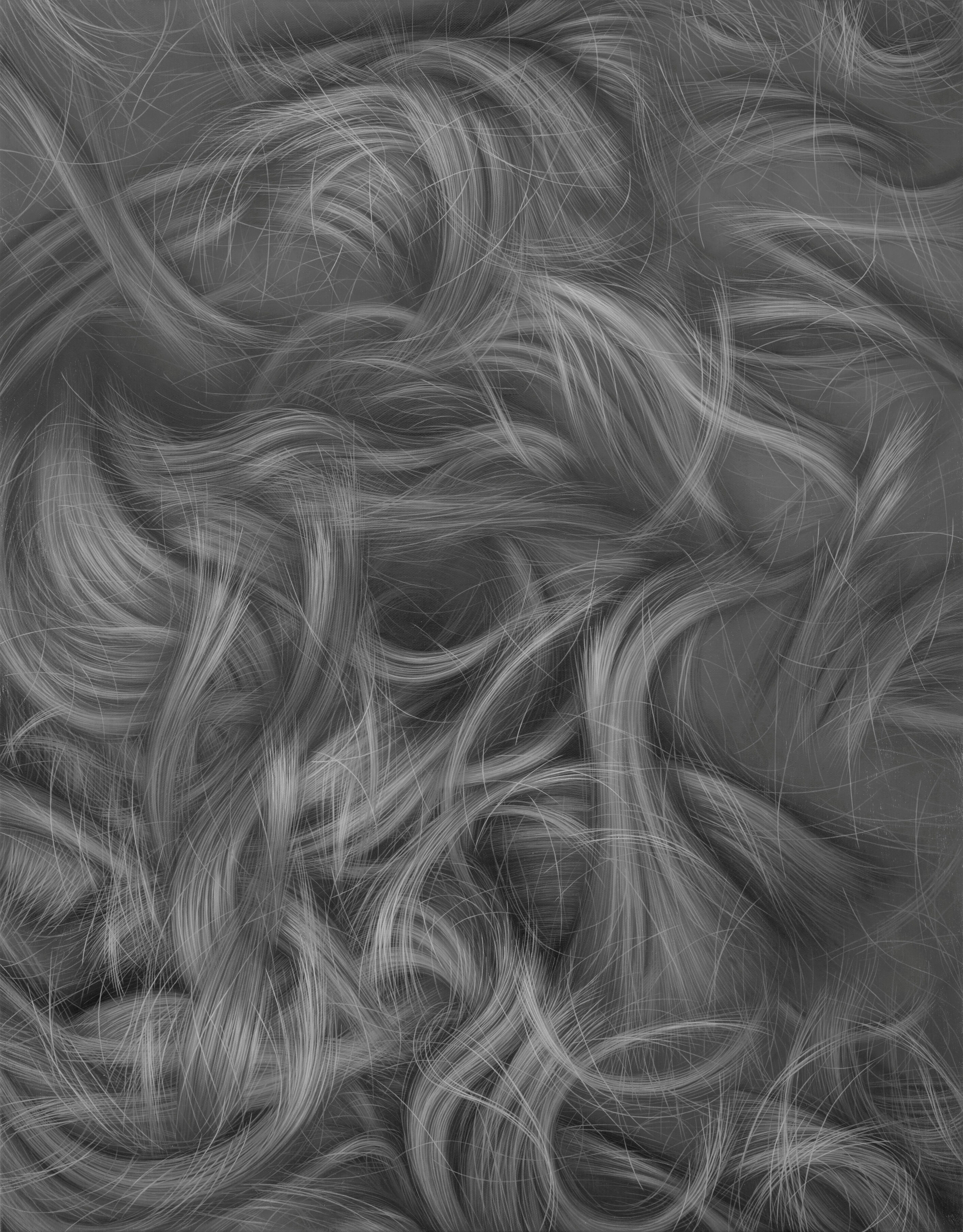
CENTRAL
The Substance of Mirage
30 May – 4 Jul, 2026
Ora-Ora
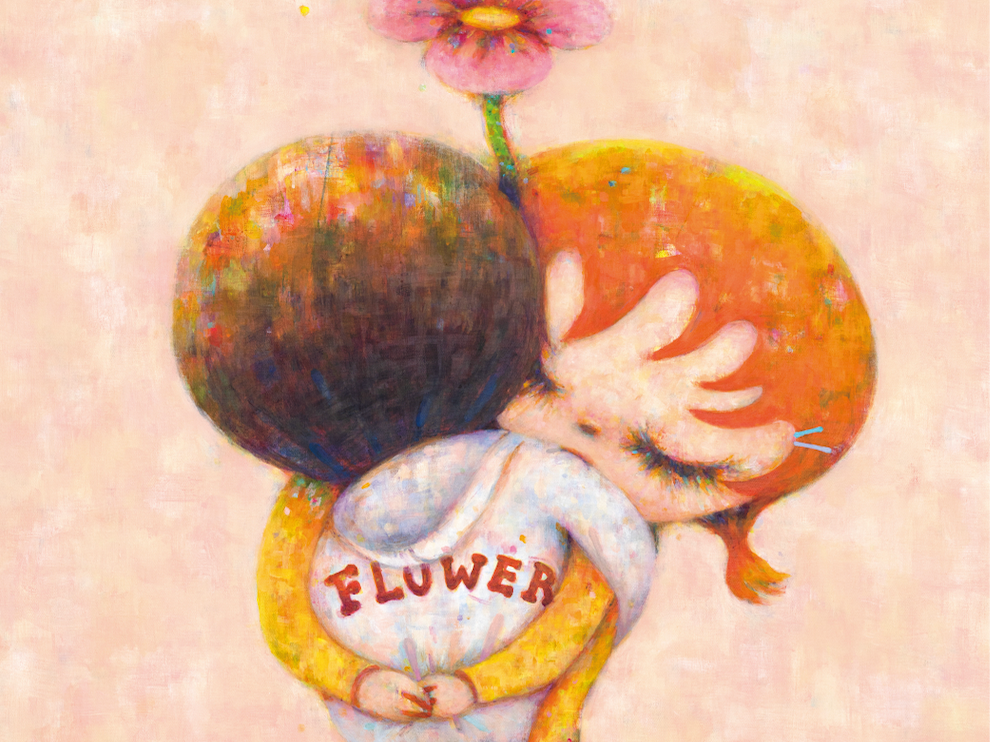
SOUTHERN
Living Living Artist: Kila Cheung Solo Exhibition
30 May – 12 Jul, 2026
Tang Contemporary Art (Wong Chuk Hang)
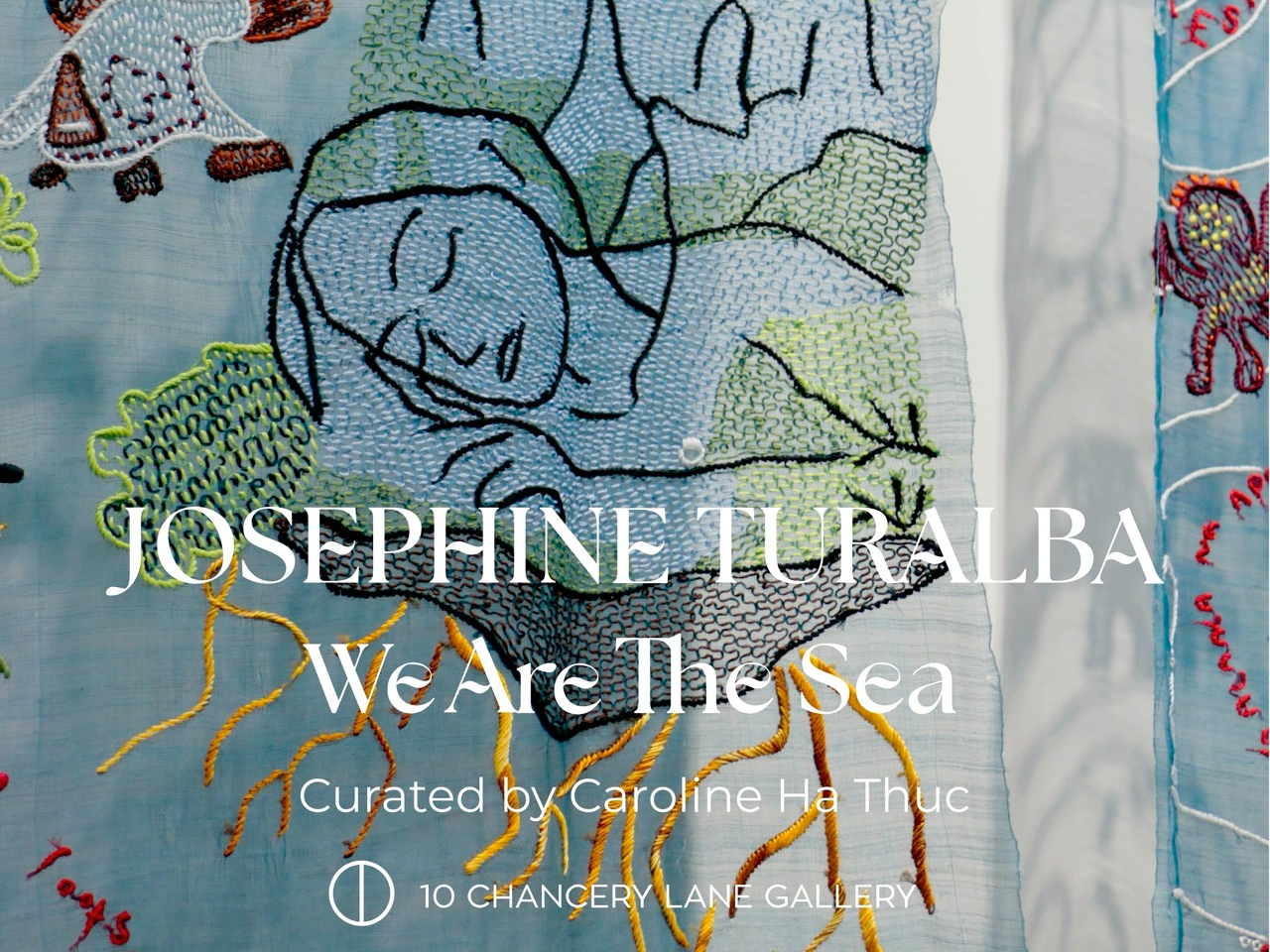
CENTRAL
Josephine Turalba: We Are The Sea
3 Jun – 1 Aug, 2026
10 Chancery Lane Gallery
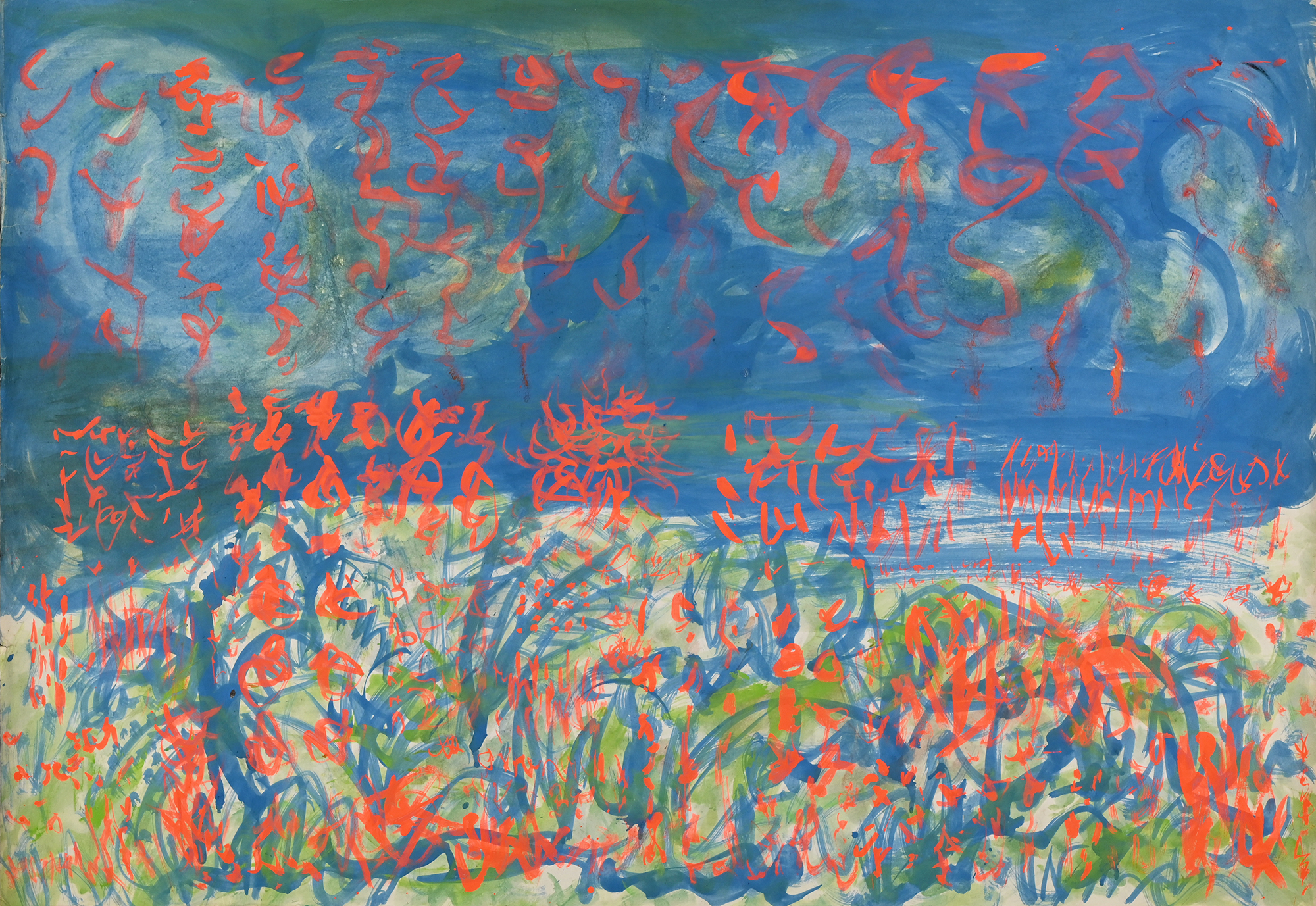
CENTRAL
Tang Chang: Into the Heart-Mind
4 Jun – 29 Aug, 2026
gdm (Galerie du Monde)
Beyond Context
6 Feb – 17 Mar, 2026
Tang Contemporary Art (Central)
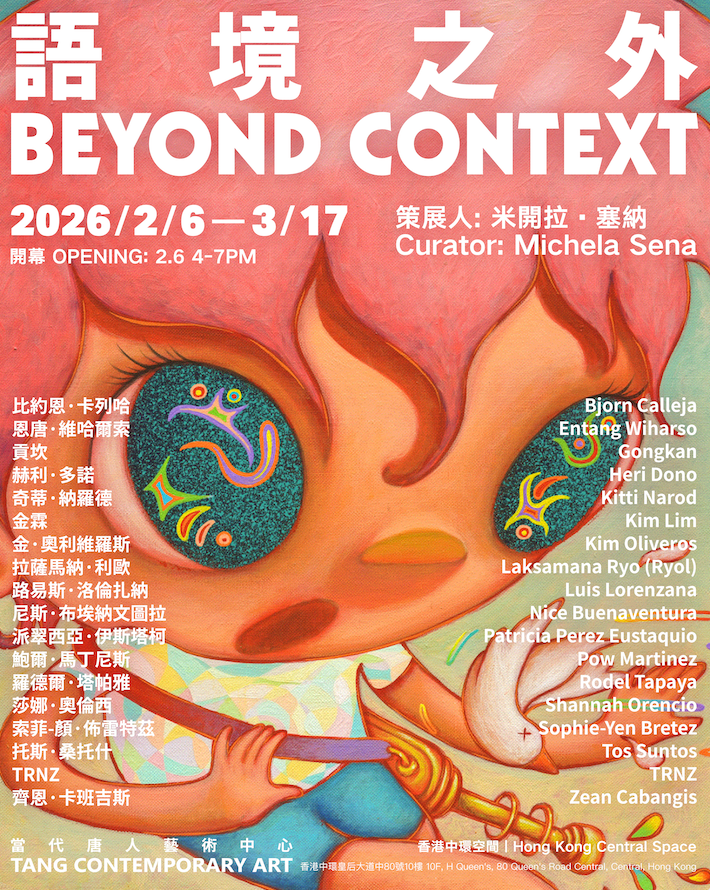
Tang Contemporary Art Hong Kong is proud to present the exhibition “Beyond Context”, curated by Michela Sena. The group show features works by artists from Southeast Asia: Bjorn Calleja, Entang Wiharso, Gongkan, Heri Dono, Kitti Narod, Kim Lim, Kim Oliveros, Ryol, Luis Lorenzana, Nice Buenaventura, Patricia Perez Eustaquio, Pow Martinez, Rodel Tapaya, Shannah Orencio, Sophie-Yen Bretez, Tos Suntos, TRNZ, and Zean Cabangis.
This exhibition proposes a critical reconfiguration of how artistic practices from Southeast Asia are approached, not through geography or cultural taxonomy, but through generational epistemologies, understood as historically situated modes of artistic thought, responsibility, and self-positioning. The differences articulated within the exhibition are not spatial but temporal; not regional but methodological. Generation here functions as an analytical tool rather than a demographic marker, revealing shifts in how art negotiates power, subjectivity, and meaning.
Artists from Southeast Asia should no longer be framed within corrective narratives, nor positioned as supplementary to Western art histories. Such frameworks presuppose asymmetry and dependency, obscuring the fact that these practices have long operated within fully autonomous systems of thought. Their work does not emerge in response to an external canon, but from internally coherent intellectual traditions and conceptual lineages. Recognition, in this context, is not an act of inclusion but an acknowledgment of an already constituted international presence.
Within this framework, artists of an earlier generation, like Heri Dono and Entang Wiharso, articulate positions in which the artwork functions as a public agent. Their practices are characterized by an explicit engagement with political imaginaries, collective memory, and social structures. The emphasis on community, ideology, and power reflects a historical moment in which artistic agency was inseparable from public discourse, and in which representation served as a critical instrument for addressing systemic violence, authoritarianism, and social transformation. Politics, here, operates as an external field to be confronted, decoded, and reconfigured through symbolic and allegorical strategies.
The practices of the younger generation presented in the exhibition occupy a markedly different conceptual terrain. Rather than positioning the artwork as a mediator between art and society, these artists, Ryol, TRNZ, Gongkan (just to name a few), locate inquiry within the subject itself, within psychological states, affective economies, and the mechanisms of introspection. This shift does not signal political disengagement, but rather a relocation of critique from external systems to internalized structures of experience. Power is no longer addressed solely as an institutional force, but as something inscribed within perception, desire, memory, and the self.
Parallel to this introspective turn is an intensified focus on the autonomy of aesthetic language. Particularly in the works of Nice Buenaventura, Luis Lorenzana, and Shannah Orencio, form, materiality, repetition, abstraction, and the internal logic of visual systems become primary sites of investigation. Meaning is generated not through representation, but through the construction of formal relationships and perceptual conditions. The artwork asserts itself as a “selfcontained” field of operations, resistant to narrative reduction and symbolic instrumentalization.
What emerges from this generational tension is not a linear evolution nor a rupture, but a multiplicity of coexisting temporalities. The exhibition refuses synthesis, foregrounding instead a field of practices that operate according to distinct yet equally rigorous conceptual regimes. Southeast Asia is not presented as a coherent cultural entity, nor as an identity to be decoded, but as a contingent site from which diverse artistic positions emerge and intersect.
By abandoning explanatory and contextualizing lenses, the exhibition invites a mode of engagement grounded in attentiveness rather than interpretation. The viewer is asked not to locate the work within a cultural narrative, but to confront it as a complex proposition, one that operates within a shared, international present shaped by heterogeneous histories, generations, and intellectual trajectories.
True recognition, in this sense, lies in suspending the impulse to translate. It resides in allowing the work to assert its own conditions of intelligibility, standing in its full density and opacity, neither exoticized nor instrumentalized, but understood as an active force within contemporary artistic discourse.
Bjorn Calleja crafts a surreal realm where the familiar intertwines with the grotesque. His playful manipulation of exaggerated forms transforms everyday moments into a whimsical theater of the absurd. Each work invites viewers to explore themes of identity and existence, challenging societal expectations with humor and depth.
This exhibition proposes a critical reconfiguration of how artistic practices from Southeast Asia are approached, not through geography or cultural taxonomy, but through generational epistemologies, understood as historically situated modes of artistic thought, responsibility, and self-positioning. The differences articulated within the exhibition are not spatial but temporal; not regional but methodological. Generation here functions as an analytical tool rather than a demographic marker, revealing shifts in how art negotiates power, subjectivity, and meaning.
Artists from Southeast Asia should no longer be framed within corrective narratives, nor positioned as supplementary to Western art histories. Such frameworks presuppose asymmetry and dependency, obscuring the fact that these practices have long operated within fully autonomous systems of thought. Their work does not emerge in response to an external canon, but from internally coherent intellectual traditions and conceptual lineages. Recognition, in this context, is not an act of inclusion but an acknowledgment of an already constituted international presence.
Within this framework, artists of an earlier generation, like Heri Dono and Entang Wiharso, articulate positions in which the artwork functions as a public agent. Their practices are characterized by an explicit engagement with political imaginaries, collective memory, and social structures. The emphasis on community, ideology, and power reflects a historical moment in which artistic agency was inseparable from public discourse, and in which representation served as a critical instrument for addressing systemic violence, authoritarianism, and social transformation. Politics, here, operates as an external field to be confronted, decoded, and reconfigured through symbolic and allegorical strategies.
The practices of the younger generation presented in the exhibition occupy a markedly different conceptual terrain. Rather than positioning the artwork as a mediator between art and society, these artists, Ryol, TRNZ, Gongkan (just to name a few), locate inquiry within the subject itself, within psychological states, affective economies, and the mechanisms of introspection. This shift does not signal political disengagement, but rather a relocation of critique from external systems to internalized structures of experience. Power is no longer addressed solely as an institutional force, but as something inscribed within perception, desire, memory, and the self.
Parallel to this introspective turn is an intensified focus on the autonomy of aesthetic language. Particularly in the works of Nice Buenaventura, Luis Lorenzana, and Shannah Orencio, form, materiality, repetition, abstraction, and the internal logic of visual systems become primary sites of investigation. Meaning is generated not through representation, but through the construction of formal relationships and perceptual conditions. The artwork asserts itself as a “selfcontained” field of operations, resistant to narrative reduction and symbolic instrumentalization.
What emerges from this generational tension is not a linear evolution nor a rupture, but a multiplicity of coexisting temporalities. The exhibition refuses synthesis, foregrounding instead a field of practices that operate according to distinct yet equally rigorous conceptual regimes. Southeast Asia is not presented as a coherent cultural entity, nor as an identity to be decoded, but as a contingent site from which diverse artistic positions emerge and intersect.
By abandoning explanatory and contextualizing lenses, the exhibition invites a mode of engagement grounded in attentiveness rather than interpretation. The viewer is asked not to locate the work within a cultural narrative, but to confront it as a complex proposition, one that operates within a shared, international present shaped by heterogeneous histories, generations, and intellectual trajectories.
True recognition, in this sense, lies in suspending the impulse to translate. It resides in allowing the work to assert its own conditions of intelligibility, standing in its full density and opacity, neither exoticized nor instrumentalized, but understood as an active force within contemporary artistic discourse.
Bjorn Calleja crafts a surreal realm where the familiar intertwines with the grotesque. His playful manipulation of exaggerated forms transforms everyday moments into a whimsical theater of the absurd. Each work invites viewers to explore themes of identity and existence, challenging societal expectations with humor and depth.
Tang Contemporary Art (Central)
Address: 10/F, H Queen's, 80 Queen's Rd. Central, Central
Opening Hours: Tues–Sat 11am–7pm
Phone: +852 2682 8289
Website: tangcontemporary.com