

現正展出
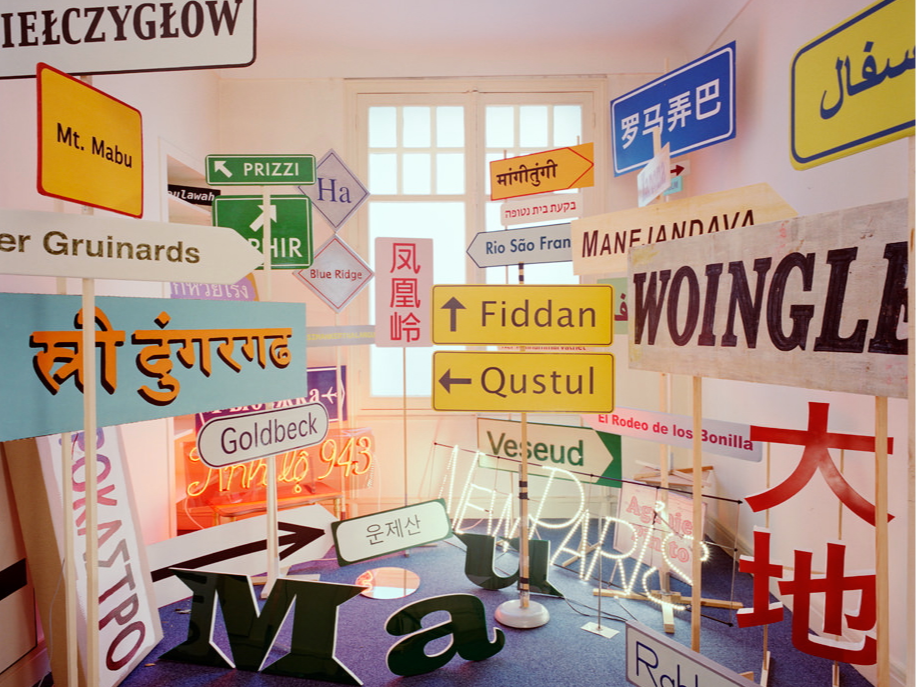
南區
聯覺 - 阿琦.路迷x奧諾黛拉.有機
2026-5-23 – 7-25
wamono art
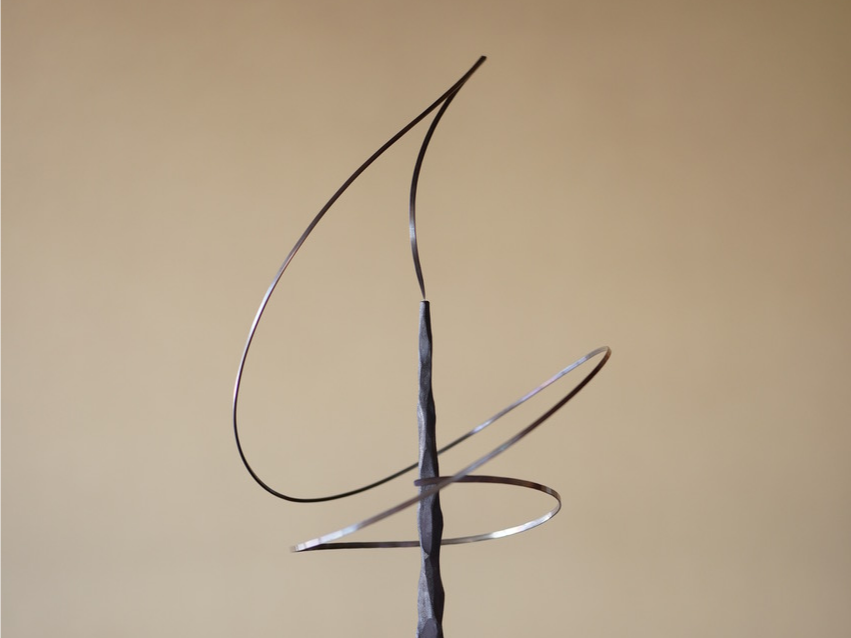
南區
共鳴 — 轉化空間的氛圍與感受
2026-5-23 – 7-25
wamono art
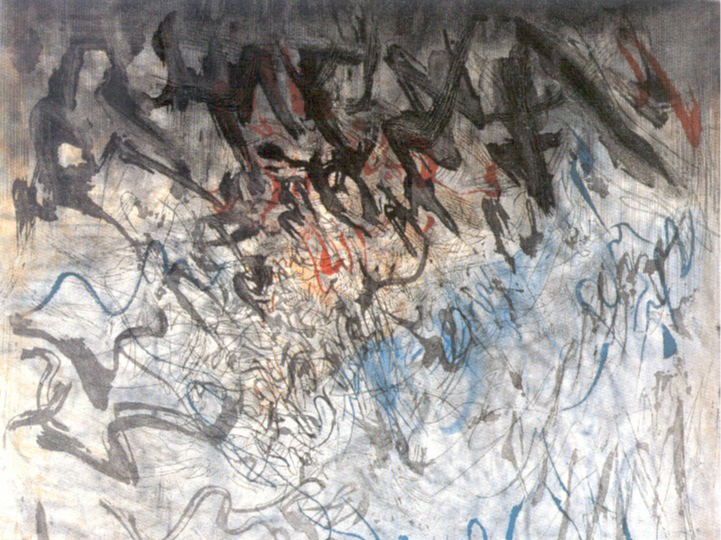
中環
巴黎的中國先鋒派: 朱德群, 曾海文, 丁雄泉, 趙無極
2026-5-22 – 8-15
藝倡畫廊
.jpg)
西環
浮沫:堅離地城站
2026-5-18 – 6-6
HART HAUS
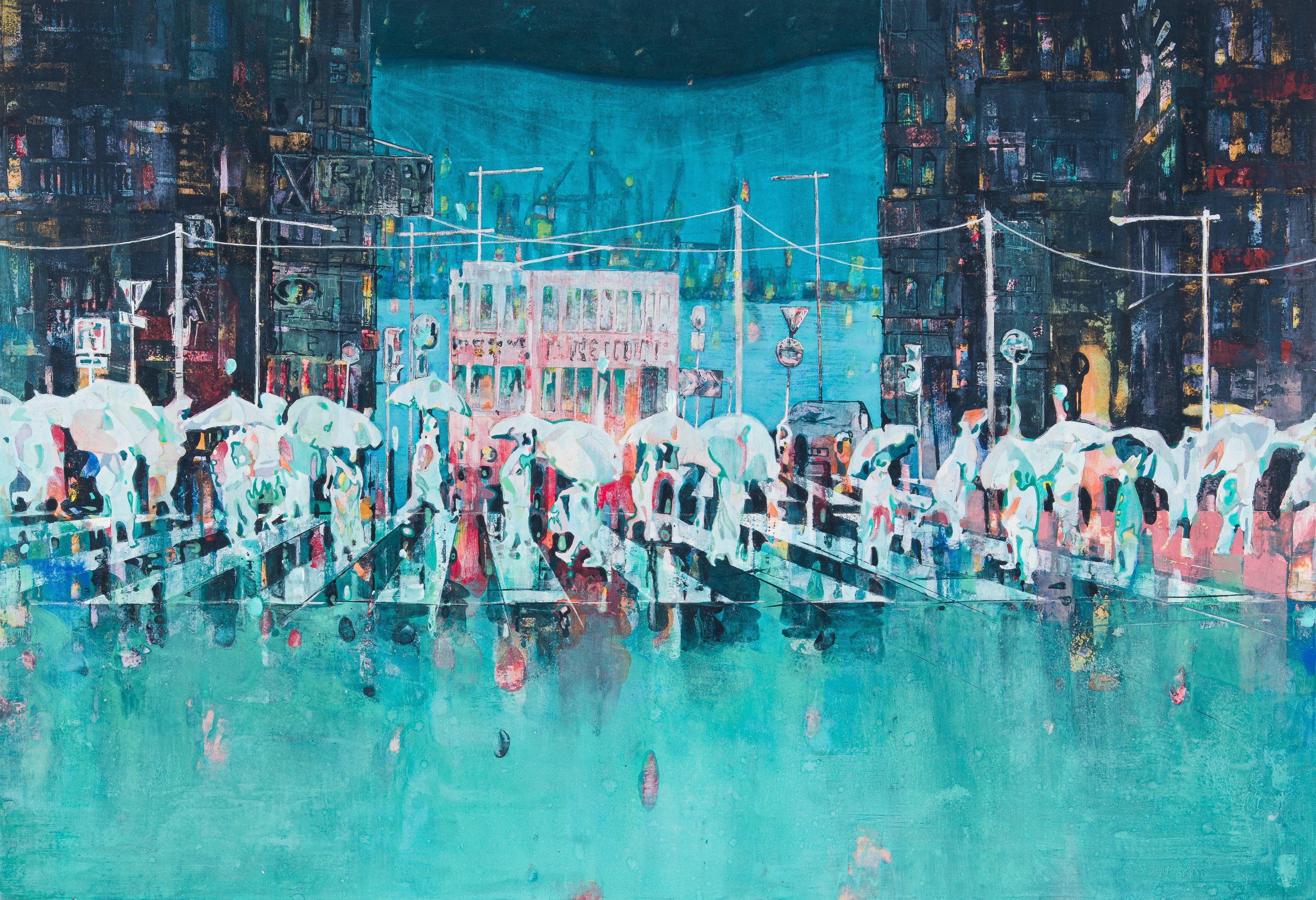
南區
對倒:角谷紀章、原澤亨輔
2026-5-16 – 7-4
白石畫廊
南區
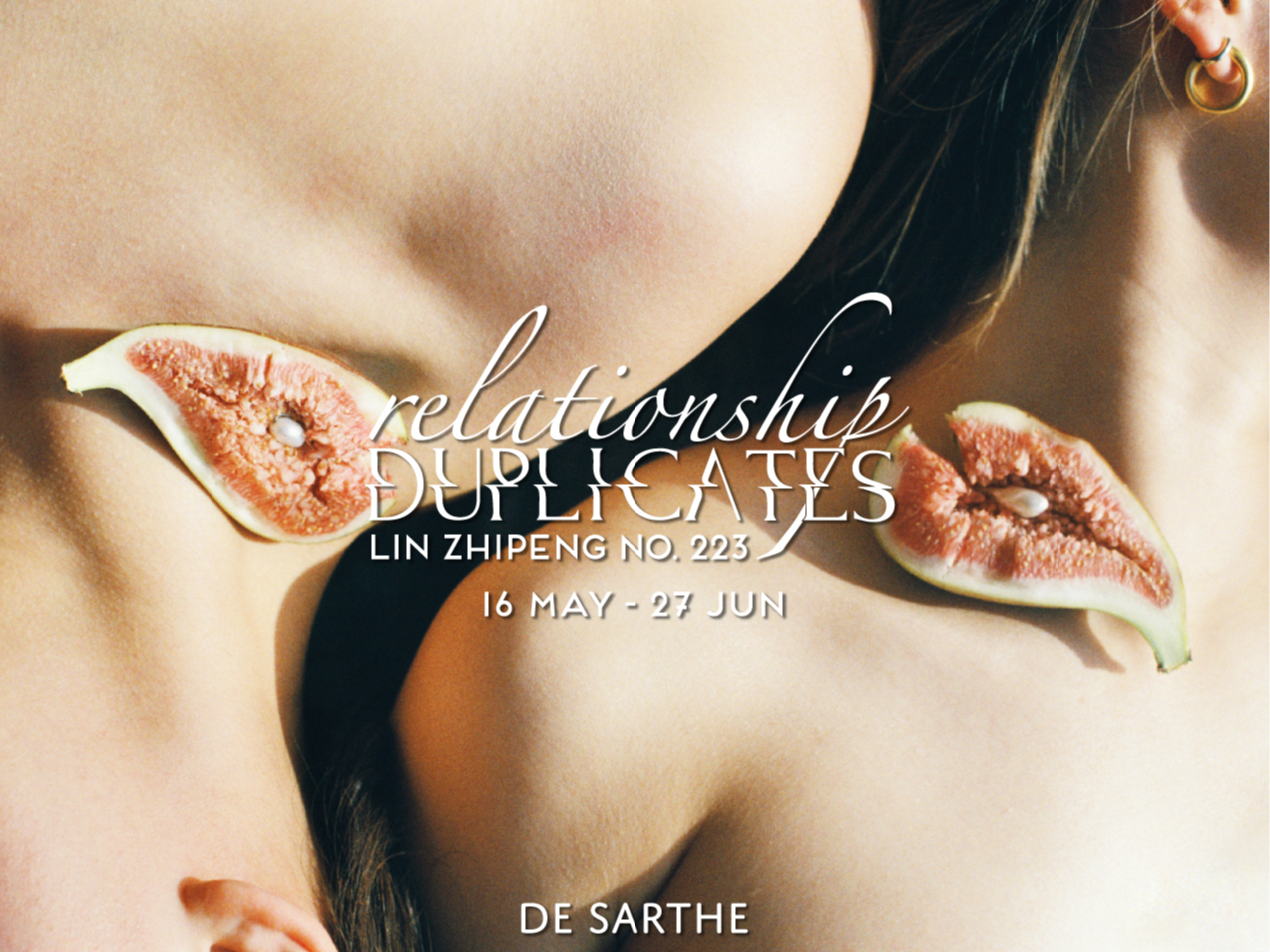
林志鵬(編號223):關係副本
2026-5-16 – 6-27
德薩畫廊
南區
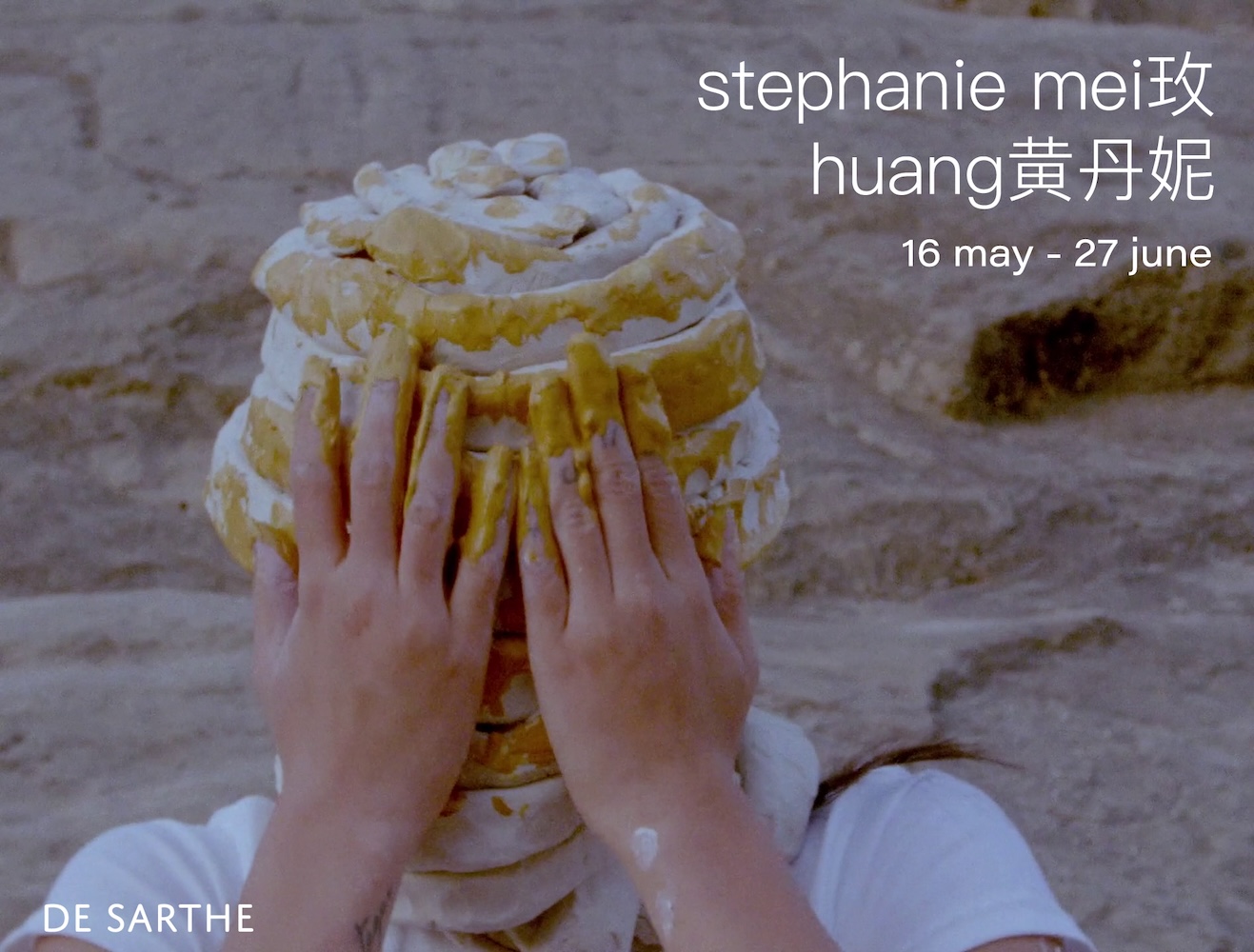
黄丹妮:黃色瓷器 II(洛杉磯警察學院外)
2026-5-16 – 6-27
德薩畫廊
中環
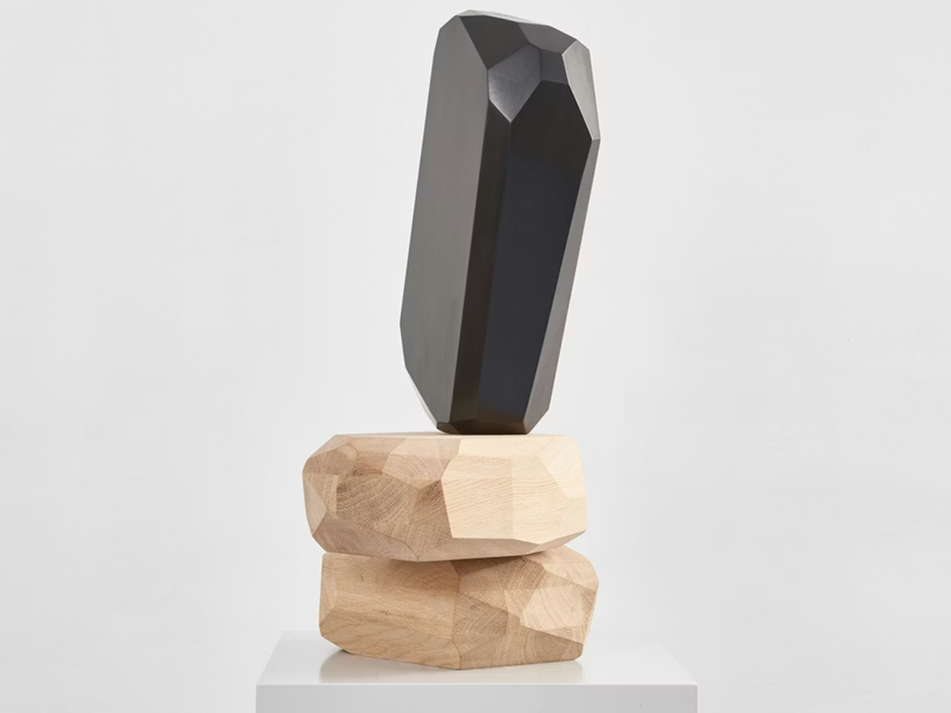
靠近
2026-5-15 – 7-5
當代唐人藝術中心(中環)
中環
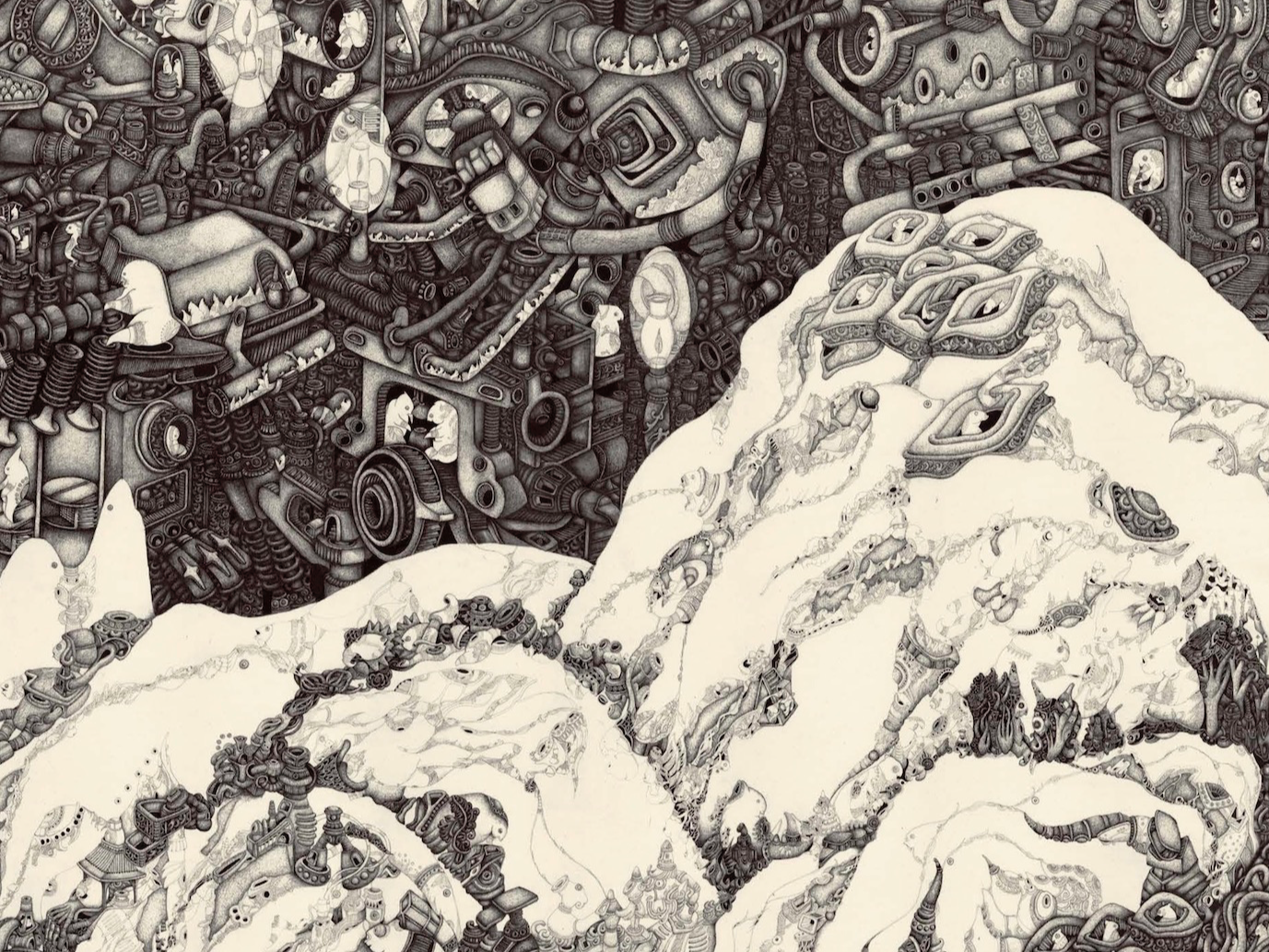
李晴:機制中的崇高——在廢墟之上重構文人山水
2026-5-15 – 6-28
墨齋
.jpg)
西環
Michael Rikio Ming Hee Ho:而我深深地愛着你
2026-5-9 – 6-4
HART HAUS
, 2025, Acrylic on linen over panel, 100 x 70 cm.JPG)
上環
Jon Poblador「San Gimignano」
2026-5-7 – 6-20
Soluna Fine Art
上環
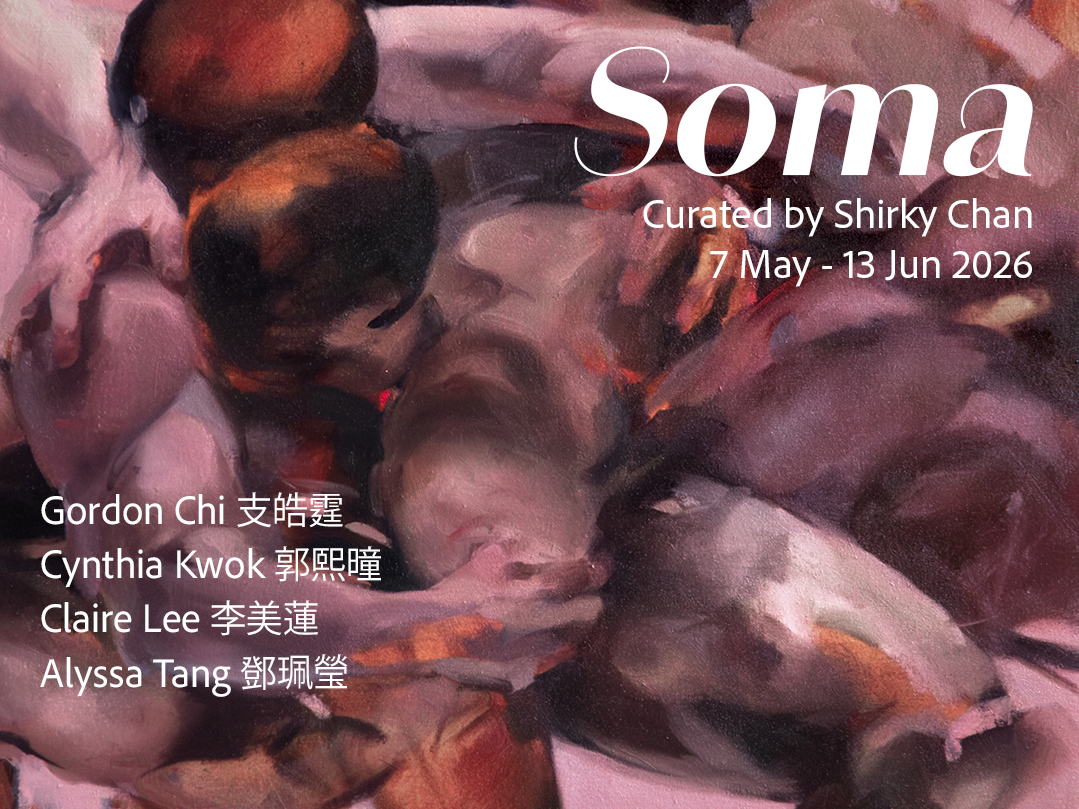
Soma
2026-5-7 – 6-13
Contemporary by Angela Li
南區
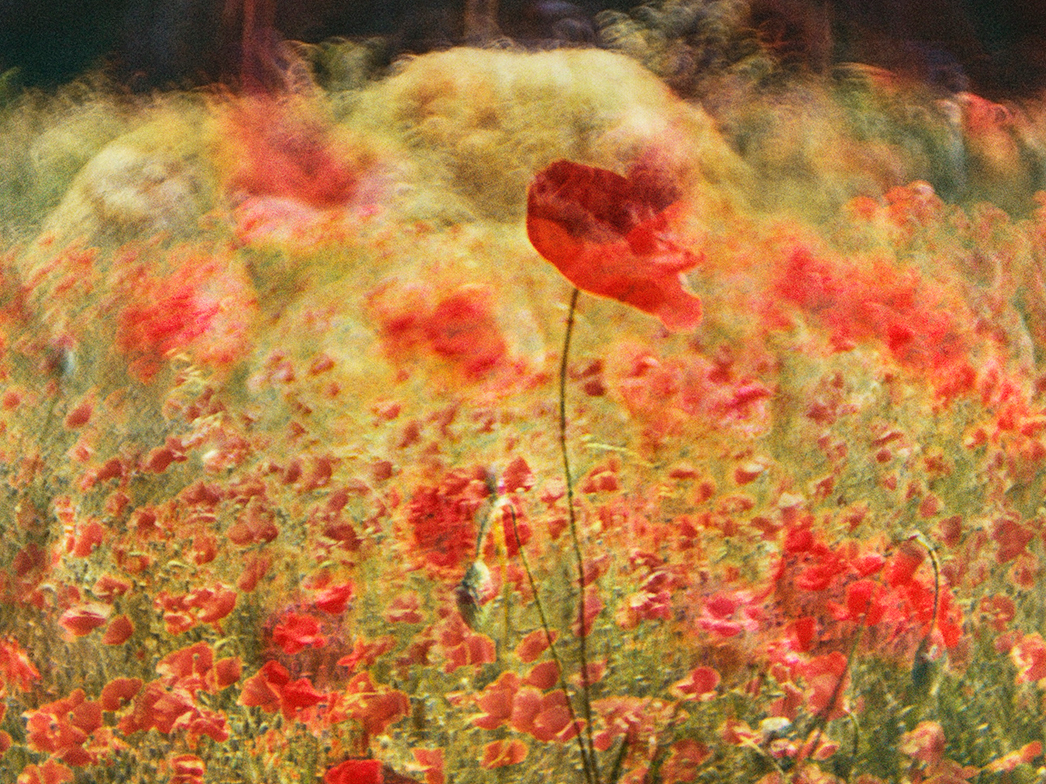
“只留住陽光” 雅克·亨利·拉蒂格個展
2026-4-24 – 6-17
Boogie Woogie Photography
南區
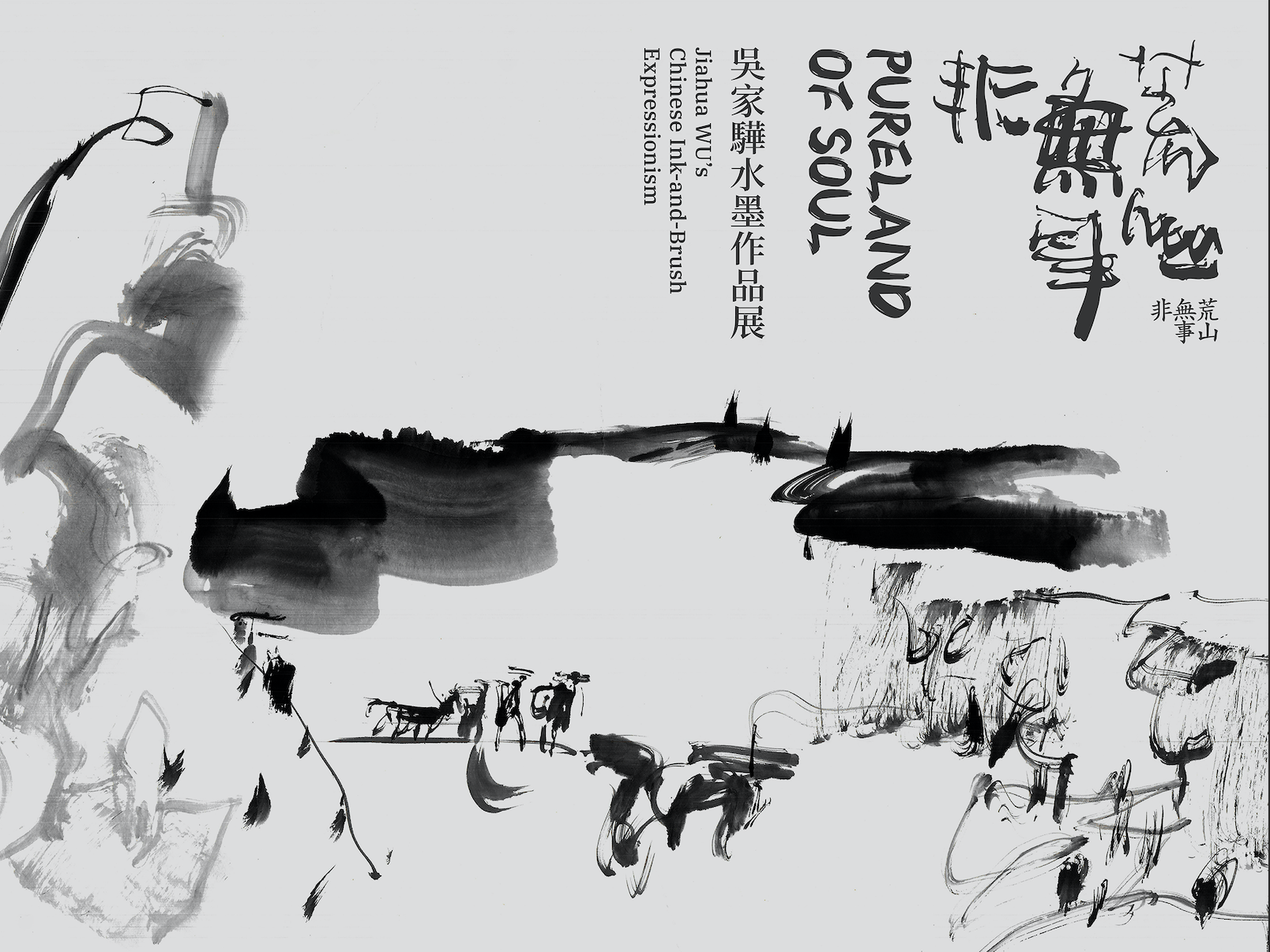
荒山無事非
2026-4-24 – 9-4
弈畫廊
南區
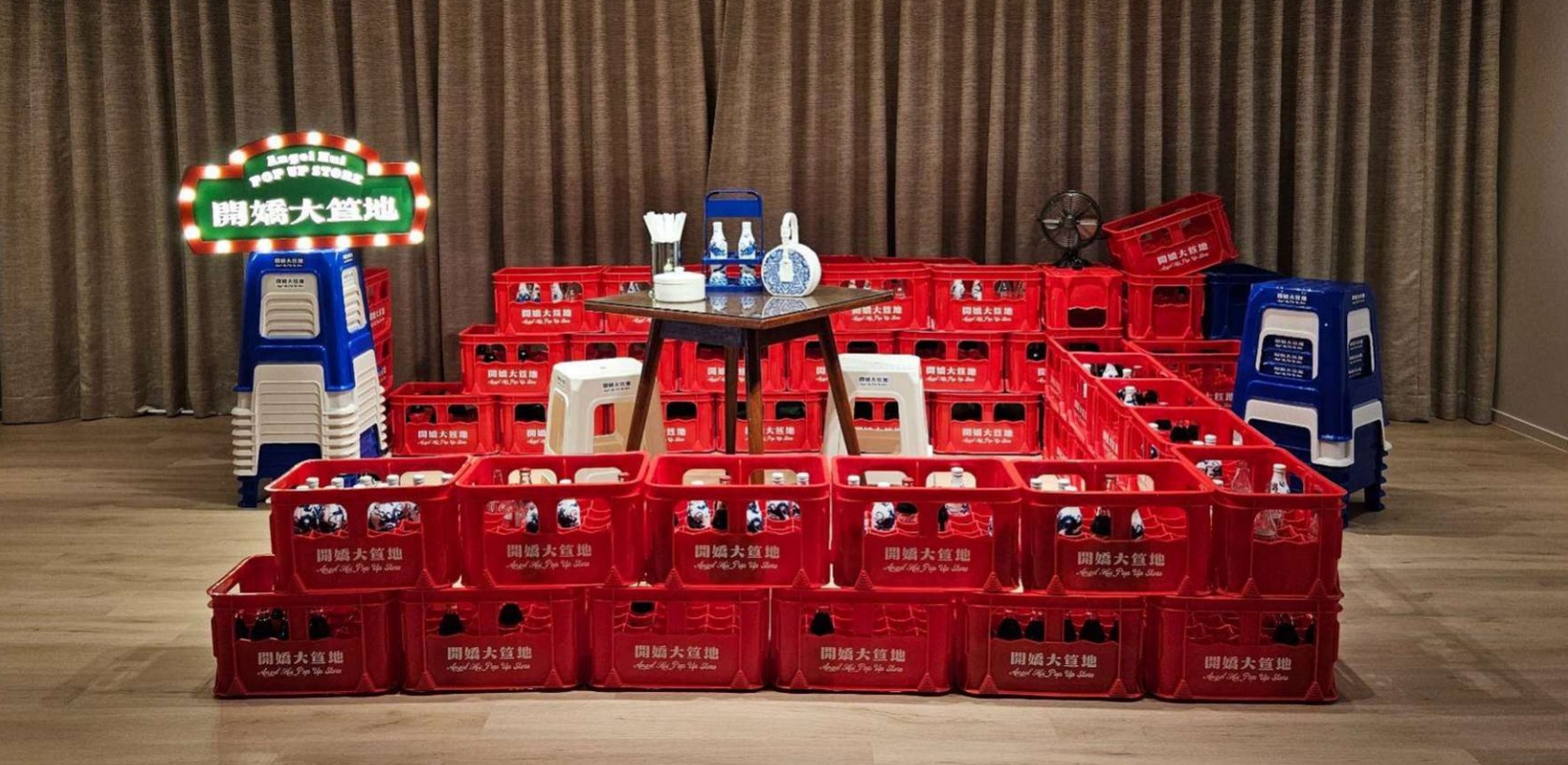
重識故景 - 快閃展
2026-3-26 – 8-29
藝倡沙龍
 (1).jpg)
金鐘
《洪嫻:乾坤之間》
2026-3-25 – 6-21
亞洲協會香港中心
南區
尤塔·科特爾:近作
2026-3-22 – 6-20
Empty Gallery
中環
點止執印切釘——書的藝術
2026-3-21 – 9-30
當代印藝
中環
陳慧嶠《在一片天空下》
2026-3-20 – 5-28
爍樂(世界畫廊)

中環
登峰·造極:3812畫廊十五週年大展
2026-3-19 – 6-10
3812畫廊
即將開幕
To Regenerate the Lost: A Solo Exhibition by Maria Kulikovska
2025-12-3 – 1-31
Double Q Gallery
“It would be better for you to turn around and go into the thick grasses…it would be better for you to go away this very evening when twilight begins to fall, and you should not come back if tomorrow, or after tomorrow, dawn breaks, because for you it will be much better for there to be no tomorrow and no day after tomorrow.” – Krasznahorkai László, Baron Wenckheim’s Homecoming
What is a home when the ground is pulled from beneath your feet? Is it a memory, a desire, a body, or a lineage of knowledge passed down through generations for survival? To Regenerate the Lost, the first solo exhibition by Maria Kulikovska in Hong Kong, transforms the gallery into an intimate exploration of the existential meanings of home, prompting a radical reimagining of what it means to belong. Kulikovska, whose life has been marked by exile and displacement, uses the raw materials of existence—the body, medicine, plants, and memory—to build a space for a home that exists only in the threshold between necessity and imagination.
The journey begins with a classical proposition: a standing pregnant figure. A symbol of life, continuity, and safety, she serves as the viewer’s initial entry point, an alluring emblem of stability in a world soon to collapse. From here, visitors are invited to pass through a curtain, a simple yet profound act of initiation. The threshold leads not to comfort, but to a realm that, as Kulikovska writes, “burns you alive”.
Beyond this curtain, the certainties of the home left behind are incinerated. Kulikovska constructs an immersive environment where the very right to safety and shelter is interrogated and undone. In this space of profound uncertainty, what then remains? The artist proposes that our most vital tools for regeneration are intangible: memories that anchor us and desires that propel us forward. These are not mere sentimental echoes; in Kulikovska’s world, they become tangible treasures and vivid expressions of a deep, human knowledge of self-healing.
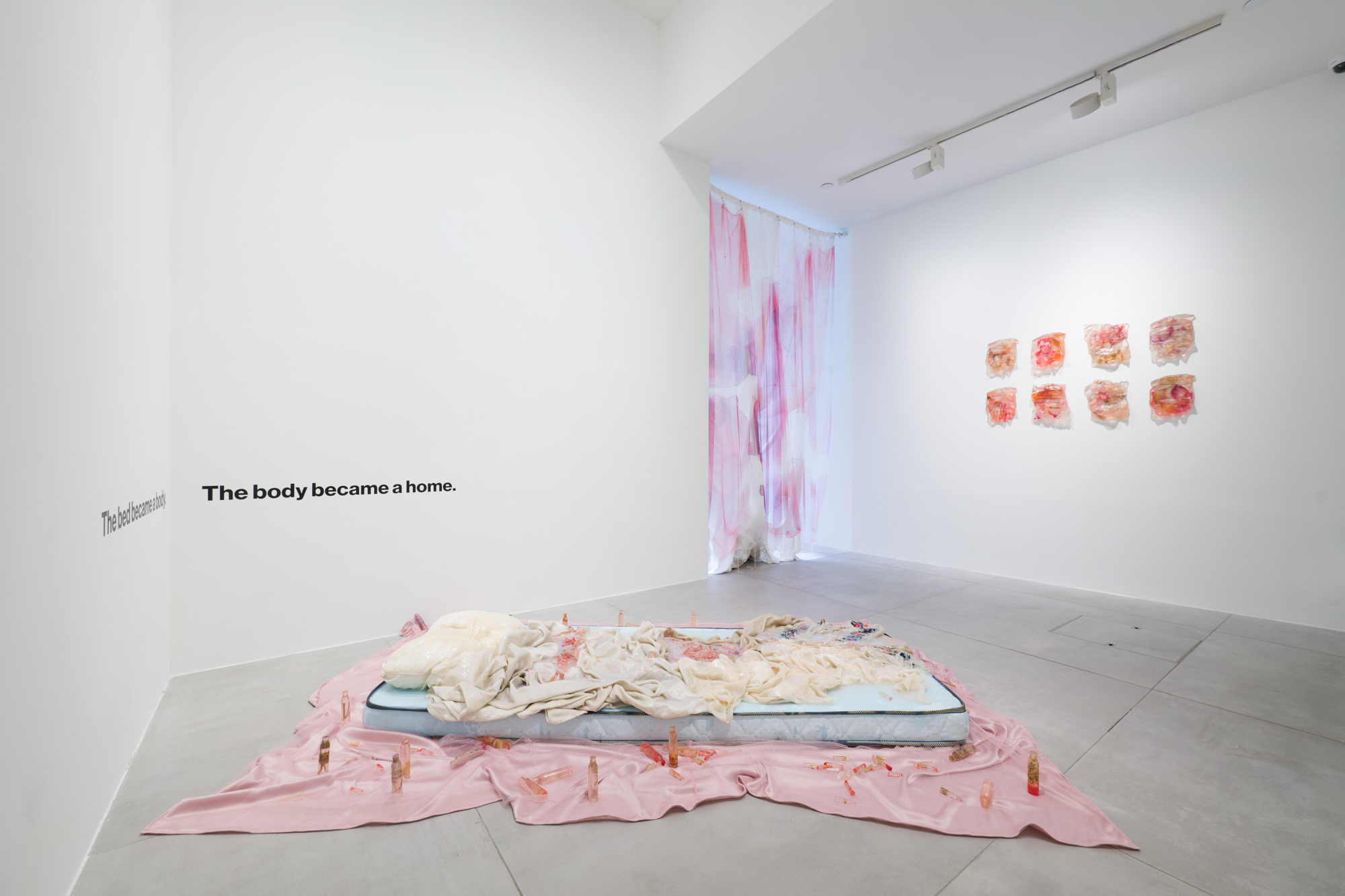
The works in this space are direct manifestations of this philosophy of healing, born from the raw material she gathered over the past year. Here, we encounter the ghost of a life once prepared: a mattress on the floor, unused underwear, vases, crutches, and a cane—objects bought to welcome a new baby in a home that was never occupied, their purpose erased by war. Kulikovska performs an act of alchemy, preserving these relics in epoxy. Within their translucent tombs, she embeds healing herbs, using knowledge passed down from her grandmother, a woman exiled in life threatening circumstances to Crimea.
This gesture towards intergenerational healing lies at the core of the exhibition. The artist’s own body, strained by the simultaneous demands of pregnancy, motherhood, and constant physical movement, found its remedy not in conventional medicine, but through an intuitive return to ancestral wisdom. The herbs are more than material; they embody a lineage of resilience, a tangible memory of care that crosses borders. While Kulikovska has lost most of her material possessions, she has learned to regenerate from this loss. Her creativity is now fuelled by the act of recreating what home meant and still means: not a fixed structure, but an enduring, embodied knowledge of how to build a life from the fragments, and how to locate safety within oneself when the world offers none.
Written by Eszter Csillag
What is a home when the ground is pulled from beneath your feet? Is it a memory, a desire, a body, or a lineage of knowledge passed down through generations for survival? To Regenerate the Lost, the first solo exhibition by Maria Kulikovska in Hong Kong, transforms the gallery into an intimate exploration of the existential meanings of home, prompting a radical reimagining of what it means to belong. Kulikovska, whose life has been marked by exile and displacement, uses the raw materials of existence—the body, medicine, plants, and memory—to build a space for a home that exists only in the threshold between necessity and imagination.
The journey begins with a classical proposition: a standing pregnant figure. A symbol of life, continuity, and safety, she serves as the viewer’s initial entry point, an alluring emblem of stability in a world soon to collapse. From here, visitors are invited to pass through a curtain, a simple yet profound act of initiation. The threshold leads not to comfort, but to a realm that, as Kulikovska writes, “burns you alive”.
Beyond this curtain, the certainties of the home left behind are incinerated. Kulikovska constructs an immersive environment where the very right to safety and shelter is interrogated and undone. In this space of profound uncertainty, what then remains? The artist proposes that our most vital tools for regeneration are intangible: memories that anchor us and desires that propel us forward. These are not mere sentimental echoes; in Kulikovska’s world, they become tangible treasures and vivid expressions of a deep, human knowledge of self-healing.
The works in this space are direct manifestations of this philosophy of healing, born from the raw material she gathered over the past year. Here, we encounter the ghost of a life once prepared: a mattress on the floor, unused underwear, vases, crutches, and a cane—objects bought to welcome a new baby in a home that was never occupied, their purpose erased by war. Kulikovska performs an act of alchemy, preserving these relics in epoxy. Within their translucent tombs, she embeds healing herbs, using knowledge passed down from her grandmother, a woman exiled in life threatening circumstances to Crimea.
This gesture towards intergenerational healing lies at the core of the exhibition. The artist’s own body, strained by the simultaneous demands of pregnancy, motherhood, and constant physical movement, found its remedy not in conventional medicine, but through an intuitive return to ancestral wisdom. The herbs are more than material; they embody a lineage of resilience, a tangible memory of care that crosses borders. While Kulikovska has lost most of her material possessions, she has learned to regenerate from this loss. Her creativity is now fuelled by the act of recreating what home meant and still means: not a fixed structure, but an enduring, embodied knowledge of how to build a life from the fragments, and how to locate safety within oneself when the world offers none.
Written by Eszter Csillag
.png)
Double Q Gallery